


5um quartz fiber is an advanced reinforcement material widely used in high-performance composite applications. With a filament diameter of approximately 5 micrometers, this ultra-fine fiber offers a unique combination of strength, thermal stability, and dielectric performance. As industries continue to demand lighter, stronger, and more durable materials, quartz fiber has become an essential component in next-generation composite systems.
This article provides an in-depth exploration of 5um quartz fiber, including its properties, manufacturing process, advantages, and applications in advanced composite materials.
What Is 5um Quartz Fiber
5um quartz fiber is a high-purity inorganic fiber made from natural quartz or fused silica. The diameter of 5 micrometers places it in the category of ultra-fine fibers, allowing for improved surface area and enhanced bonding with matrix materials.
Unlike conventional glass fibers, quartz fibers exhibit superior thermal resistance and low dielectric properties. These characteristics make them particularly suitable for demanding environments where performance stability is critical.
Key Material Properties
High Thermal Resistance
One of the most notable features of 5um quartz fiber is its ability to withstand extreme temperatures. It maintains structural integrity at temperatures significantly higher than standard glass fibers, making it ideal for aerospace and high-temperature industrial applications.
Low Dielectric Constant
Quartz fiber offers excellent electrical insulation due to its low dielectric constant and minimal signal interference. This property is especially valuable in electronic and communication systems where signal clarity is essential.
High Tensile Strength
Despite its fine diameter, 5um quartz fiber delivers impressive tensile strength. This contributes to the mechanical performance of composite materials, enhancing durability and load-bearing capacity.
Chemical Stability
Quartz fiber is highly resistant to chemical corrosion, including acids and most solvents. This ensures long-term reliability in harsh environments.
Lightweight Structure
The low density of quartz fiber supports the development of lightweight composite structures, which is crucial for industries aiming to improve energy efficiency and performance.
Manufacturing Process
Raw Material Selection
The production of quartz fiber begins with high-purity quartz or silica. Ensuring minimal impurities is critical to achieving consistent performance characteristics.
Melting and Fiber Drawing
The raw material is melted at extremely high temperatures and then drawn into fine filaments. Precise control of temperature and drawing speed is required to achieve the 5um diameter.
Surface Treatment
After formation, fibers may undergo surface treatment to enhance compatibility with various resin systems. This improves adhesion within composite materials.
Quality Control
Advanced inspection techniques are used to verify fiber diameter, strength, and uniformity. Strict quality control ensures that the final product meets industry standards.
Advantages in Composite Materials
Enhanced Mechanical Performance
The fine diameter of 5um quartz fiber increases the surface area available for bonding with matrix materials. This leads to improved load transfer and overall mechanical strength.
Thermal Stability in Extreme Conditions
Composites reinforced with quartz fiber maintain performance under high-temperature conditions. This is particularly important in aerospace and defense applications.
Improved Electrical Performance
The low dielectric properties of quartz fiber contribute to better signal transmission and reduced electromagnetic interference in composite structures.
Long Service Life
The combination of chemical resistance and thermal stability ensures that quartz fiber composites have a longer operational lifespan compared to many traditional materials.
Applications in Advanced Industries
Aerospace Engineering
In aerospace applications, 5um quartz fiber is used in components that require high strength, low weight, and resistance to extreme temperatures. These include radomes, insulation systems, and structural panels.
Electronics and Communication
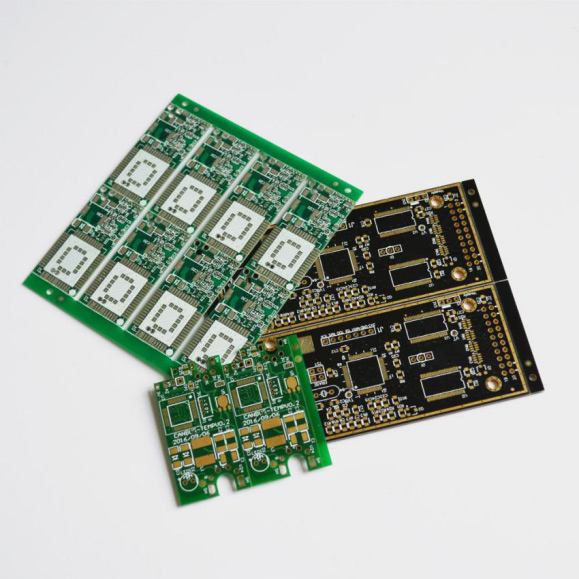
Quartz fiber composites are widely used in electronic devices and communication equipment. Their low dielectric properties support high-frequency signal transmission with minimal loss.
Defense and Military Systems
The material is utilized in advanced defense systems where reliability and performance under harsh conditions are critical. Its thermal and chemical stability make it suitable for protective and structural applications.
Industrial High Temperature Equipment
Quartz fiber composites are also used in furnaces, insulation systems, and other high-temperature industrial equipment, where conventional materials may fail.
Comparison with Other Reinforcement Fibers
Compared to standard glass fibers, quartz fiber offers superior thermal and dielectric performance. While carbon fibers provide high strength, they may not match quartz fiber in terms of electrical insulation.
This balance of properties positions 5um quartz fiber as a specialized solution for applications requiring both mechanical performance and electrical stability.
Design Considerations for Engineers
Matrix Compatibility
Selecting the appropriate resin system is essential to maximize the performance of quartz fiber composites. Compatibility ensures strong interfacial bonding.
Fiber Orientation
Proper alignment of fibers within the composite structure enhances strength and performance in specific directions.
Processing Techniques
Manufacturing methods such as filament winding, lay-up, and resin transfer molding can be adapted to incorporate quartz fibers effectively.
Cost and Performance Balance
While quartz fiber offers high performance, engineers must evaluate its cost in relation to application requirements to achieve optimal value.
Technological Developments
Ongoing research and development are improving the performance and scalability of quartz fiber production. Innovations in fiber drawing technology and surface treatment are enhancing consistency and bonding characteristics.
Automation and advanced manufacturing techniques are also contributing to more efficient production processes, making high-performance composites more accessible.
Environmental and Sustainability Aspects
Quartz fiber is an inorganic material with high durability, which contributes to longer product lifecycles and reduced material waste.
Efforts are being made to optimize energy consumption during production and to develop more sustainable manufacturing practices.
The use of lightweight composite materials also supports energy efficiency in applications such as transportation and aerospace.
Future Outlook
As industries continue to demand advanced materials, the role of 5um quartz fiber in composite technology is expected to grow. Its unique combination of properties makes it suitable for emerging applications in high-frequency communication, advanced aerospace systems, and next-generation electronics.
Continued innovation will likely expand its use and improve cost efficiency, further strengthening its position in the global materials market.
5um quartz fiber represents a high-performance solution for advanced composite materials. Its exceptional thermal resistance, mechanical strength, and electrical properties make it a valuable reinforcement material across multiple industries.
By integrating quartz fiber into composite systems, manufacturers can achieve enhanced performance, durability, and reliability. As technology evolves, this material will continue to play a key role in shaping the future of high-performance engineering.
Apr-30-2026