


As industries continue to demand lighter, thinner, and more efficient materials, ultra-thin insulation solutions have become a critical area of innovation. Among the advanced materials leading this transformation, 5um quartz fiber stands out for its exceptional thermal stability, dielectric properties, and mechanical performance. With a fiber diameter of just 5 micrometers, this material enables the development of insulation systems that are not only extremely thin but also highly reliable under extreme conditions.
What Is 5um Quartz Fiber
5um quartz fiber is a high-purity inorganic fiber made from natural quartz through advanced melting and drawing processes. The “5um” refers to its ultra-fine diameter of approximately 5 micrometers, which significantly enhances flexibility, surface area, and performance characteristics.
Unlike conventional glass fibers, quartz fibers offer superior thermal resistance and chemical stability. Their purity ensures minimal impurities, which is crucial for applications requiring high dielectric performance and resistance to harsh environments.
Key Properties of 5um Quartz Fiber
Exceptional Thermal Resistance
One of the most notable characteristics of 5um quartz fiber is its ability to withstand extremely high temperatures. It can maintain structural integrity at temperatures exceeding 1000°C, making it ideal for high-temperature insulation applications.
Ultra-Low Thermal Conductivity
Due to its fine diameter and structure, 5um quartz fiber exhibits low thermal conductivity. This allows it to effectively reduce heat transfer even in ultra-thin configurations, enabling compact insulation designs without sacrificing performance.
Excellent Dielectric Performance
Quartz fiber is inherently non-conductive and offers outstanding dielectric properties. This makes it particularly valuable in electronic and communication systems where electrical insulation is essential.
High Chemical Stability
The material is highly resistant to corrosion and chemical degradation. It performs reliably in acidic, alkaline, and oxidative environments, ensuring long-term durability.
Lightweight and Flexible Structure
The ultra-fine fiber diameter contributes to a lightweight and flexible material structure. This enhances processability and allows for the creation of thin, conformable insulation layers.
Advantages in Ultra-Thin Insulation Applications
Enabling Miniaturization
Modern devices and systems are increasingly compact, requiring insulation materials that occupy minimal space. 5um quartz fiber allows engineers to design ultra-thin insulation layers without compromising thermal or electrical performance.
Improved Energy Efficiency
By reducing heat loss and maintaining stable thermal conditions, ultra-thin insulation made from quartz fiber improves overall energy efficiency. This is particularly important in aerospace, electronics, and industrial systems.
Enhanced Reliability
The stability of quartz fiber under extreme conditions ensures consistent performance over time. This reduces maintenance requirements and increases the lifespan of insulation systems.
Compatibility with Advanced Manufacturing
5um quartz fiber can be integrated into various forms, including fabrics, mats, and composites. This versatility supports advanced manufacturing techniques such as lamination and precision layering.
Manufacturing Considerations
Producing 5um quartz fiber requires precise control of temperature and drawing processes. High-purity raw materials are essential to achieve the desired performance characteristics.
In ultra-thin insulation materials, the fibers are often woven or bonded into lightweight fabrics or nonwoven mats. These structures can then be combined with resins or coatings to enhance mechanical strength and environmental resistance.
Quality control plays a critical role in ensuring consistency in fiber diameter, purity, and structural integrity. Advanced inspection methods are typically employed to meet stringent industry standards.
Applications of 5um Quartz Fiber in Ultra-Thin Insulation
Aerospace and Aviation
In aerospace applications, weight reduction and thermal protection are critical. 5um quartz fiber is used in insulation systems for aircraft components, engine compartments, and thermal shielding. Its ability to withstand extreme temperatures while remaining lightweight makes it an ideal choice.
Electronics and Semiconductors
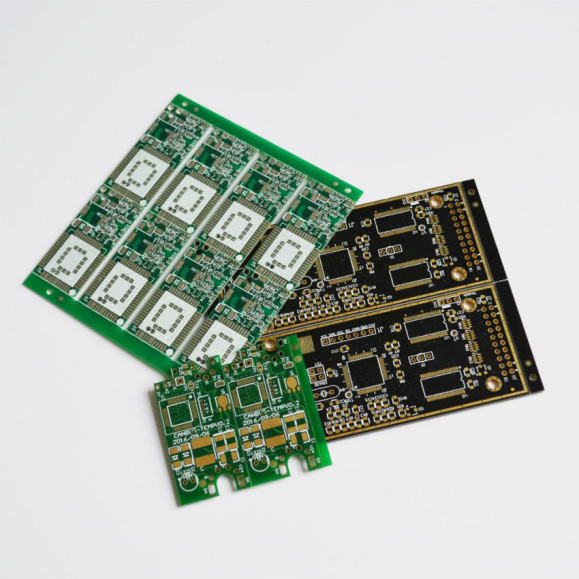
The demand for compact and high-performance electronic devices has driven the need for ultra-thin insulation materials. Quartz fiber is used in circuit insulation, flexible electronics, and semiconductor manufacturing environments where precision and reliability are essential.
High-Temperature Industrial Equipment
Industrial systems such as furnaces, reactors, and pipelines require insulation that can endure harsh conditions. Ultra-thin quartz fiber materials provide effective thermal barriers while minimizing space and weight.
Energy and Power Systems
In energy applications, including power generation and transmission, efficient insulation is crucial. Quartz fiber helps improve thermal management and electrical insulation in compact system designs.
Advanced Communication Technologies
With the evolution of communication technologies, including high-frequency systems, materials with excellent dielectric properties are essential. Quartz fiber supports signal integrity while providing thermal protection in compact.
Sustainability and Environmental Benefits
5um quartz fiber contributes to sustainable engineering in several ways. Its durability reduces the need for frequent replacement, minimizing material waste. Additionally, its ability to improve energy efficiency helps lower overall energy consumption in various applications.
The use of high-purity, բնական materials also aligns with environmentally responsible manufacturing practices, making quartz fiber a suitable choice for industries focused on sustainability.
Future Trends and Innovations
The development of ultra-thin insulation materials continues to evolve, with ongoing research focused on improving performance and reducing thickness even further. Innovations include hybrid composites that combine quartz fiber with other advanced materials to enhance specific properties.
Nanotechnology and precision engineering are also expected to play a role in optimizing fiber structures and insulation performance. As industries push the boundaries of miniaturization and efficiency, 5um quartz fiber will remain a key material in next-generation insulation solutions.
5um quartz fiber represents a significant advancement in the field of ultra-thin insulation materials. Its unique combination of thermal resistance, low conductivity, dielectric performance, and lightweight structure makes it an indispensable material for modern engineering applications.
From aerospace to electronics and energy systems, this advanced fiber enables the development of compact, efficient, and reliable insulation solutions. As technology continues to evolve, the importance of high-performance materials like 5um quartz fiber will only continue to grow.
Apr-28-2026