


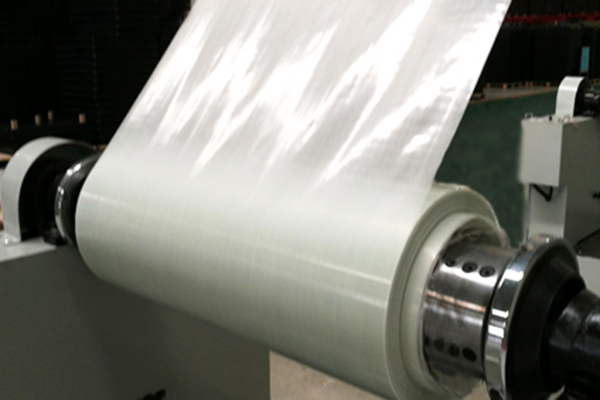
Low dielectric constant (Low DK) quartz fabric is a high-performance material known for its unique combination of mechanical strength, thermal stability, and electrical properties. Derived from high-purity quartz fibers woven into a flexible fabric, this material exhibits excellent chemical resistance and can maintain dimensional stability under extreme environmental conditions. Its low dielectric constant makes it ideal for applications requiring minimal signal loss and high-frequency performance.
Low DK quartz fabric is widely used in industries where harsh conditions, such as high temperatures, aggressive chemicals, and rapid thermal cycling, are present. Its ability to maintain consistent electrical and physical properties under stress makes it a material of choice for aerospace, electronics, and advanced industrial applications.
Electrical Performance Advantages
The primary advantage of low DK quartz fabric is its excellent electrical performance. The low dielectric constant ensures minimal signal distortion and loss, which is essential in high-frequency applications. This property allows engineers to design circuits and components that maintain signal integrity over long distances or through complex geometries. Low dielectric loss further reduces energy dissipation, improving overall system efficiency and reliability.
In harsh environments, where temperature fluctuations and exposure to humidity or chemicals are common, low DK quartz fabric preserves electrical characteristics better than conventional materials. This stability ensures that sensitive electronics continue to operate optimally, even in adverse conditions.
Thermal Stability in Extreme Conditions
Low DK quartz fabric demonstrates exceptional thermal stability, capable of withstanding temperatures well beyond those tolerated by standard composites. Its resistance to thermal expansion ensures that components maintain their shape and alignment, preventing warping, cracking, or other mechanical failures.
This stability is crucial in aerospace applications, industrial furnaces, and high-performance electronic systems, where components are subjected to repeated heating and cooling cycles. By maintaining dimensional integrity, low DK quartz fabric enhances the longevity and reliability of critical systems.
Mechanical Strength and Durability
Despite its lightweight structure, low DK quartz fabric exhibits impressive mechanical strength. It resists tearing, abrasion, and compression, making it suitable for both structural reinforcement and protective layering. In applications exposed to vibration, mechanical stress, or handling, this material provides reliable support without adding significant weight.
Durability in harsh chemical environments is another key advantage. The chemical inertness of quartz fibers prevents degradation from exposure to acids, bases, or solvents, ensuring consistent performance over time. This property is especially valuable in industrial manufacturing, chemical processing, and aerospace components that face corrosive or reactive conditions.
Applications in Electronics and High-Frequency Systems
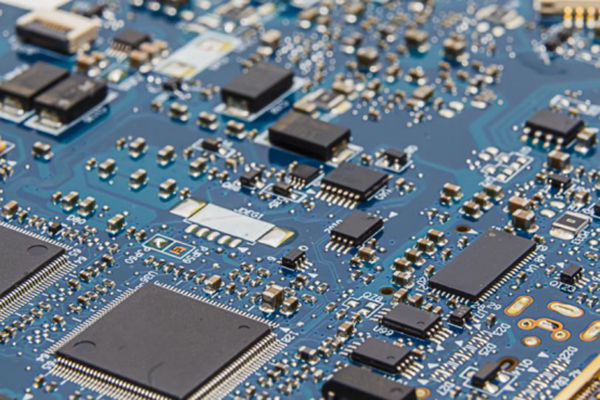
Low DK quartz fabric is particularly valuable in electronic applications, including printed circuit boards (PCBs), antennas, and microwave components. Its low dielectric constant reduces parasitic capacitance, signal reflection, and crosstalk, allowing for higher frequency operation and improved signal fidelity. These properties are critical in aerospace communication systems, radar technology, and high-speed computing applications.
The combination of thermal stability and mechanical durability ensures that devices can withstand the demanding environmental conditions often encountered in aerospace and defense applications, as well as industrial electronics used in extreme climates.
Benefits in Harsh Industrial Environments
Beyond electronics, low DK quartz fabric is used in environments where thermal, mechanical, and chemical stressors are prevalent. Its ability to maintain structural integrity and electrical properties under harsh conditions makes it ideal for insulation, protective barriers, and reinforcement in industrial equipment. Applications include high-temperature process equipment, chemical processing plants, and precision manufacturing systems.
The material’s resilience reduces maintenance frequency, improves equipment reliability, and enhances operational efficiency. Its lightweight nature also contributes to energy savings and easier handling during installation or retrofitting projects.
Integration and Handling Considerations
Integrating low DK quartz fabric into industrial and electronic systems requires careful attention to handling and processing. Proper cutting, layering, and bonding techniques ensure optimal performance. Its flexibility allows for complex geometries, while its robustness ensures that it can withstand manufacturing and operational stresses.
Engineers must consider environmental exposure, potential mechanical loads, and thermal cycling when designing systems that utilize this material. Correct integration ensures that low DK quartz fabric delivers its full performance benefits throughout the system’s operational life.
Sustainability and Long-Term Performance
Low DK quartz fabric contributes to sustainable industrial practices by reducing failure rates and extending component lifetimes. Its chemical resistance minimizes contamination risks, while its stability under thermal and mechanical stress reduces waste from damaged or degraded components. In electronic systems, the material’s durability contributes to lower maintenance and replacement costs, supporting cost-effective, long-term operation.
Future Trends and Innovations
Research into advanced fiber weaving techniques, hybrid composites, and nano-enhanced quartz fabrics is expanding the capabilities of low DK materials. Future innovations aim to further reduce dielectric loss, improve mechanical resilience, and enhance thermal stability. As high-frequency electronics, aerospace, and advanced manufacturing continue to evolve, low DK quartz fabric is expected to play a critical role in enabling reliable, high-performance systems.
Low DK quartz fabric offers a unique combination of electrical, thermal, and mechanical performance that makes it ideal for harsh environments. Its low dielectric constant, thermal stability, mechanical strength, and chemical resistance ensure reliability and longevity in demanding applications. From high-frequency electronics to aerospace components and industrial machinery, this material enables engineers to design systems that withstand extreme conditions while maintaining optimal performance. By leveraging the advantages of low DK quartz fabric, industries can achieve improved operational efficiency, reduced maintenance, and enhanced system resilience.
Mar-18-2026