


In modern heavy industry, managing extreme thermal environments is a primary operational challenge. Facilities operating high-temperature furnaces, aerospace propulsion testing, chemical reactors, and metal refining systems require insulation materials that endure far more than standard radiant heat. Thermal protection materials in these severe settings must withstand continuous operational temperatures exceeding 1000 degrees Celsius, intense thermal shock, high-velocity gas erosion, and physical ablation. Traditional insulation solutions, such as standard fiberglass or lower-grade ceramic fibers, often suffer from structural degradation, crystallization, or mechanical wear under aggressive conditions.
To overcome these structural limitations, ablation-resistant quartz fiber has become an essential material for high-temperature industrial insulation. Engineered from ultra-pure silica, quartz fiber offers a unique combination of extreme thermal stability, chemical inertness, and exceptional resistance to physical erosion. Industrial operators utilizing high-performance quartz fiber insulation benefit from extended operational lifespans, improved energy efficiency, and reliable containment of extreme thermal energy.
The Physics and Chemistry Behind Quartz Fiber Performance
The exceptional performance of quartz fiber stems directly from its chemical composition and molecular architecture. Manufactured with a silicon dioxide purity typically reaching 99.9 percent or higher, quartz fiber eliminates the trace impurities and fluxing agents commonly found in standard glass or low-cost ceramic fibers. These impurities are usually responsible for lowering softening points and causing premature material failure under heat.
Because of its high-purity amorphous structure, quartz fiber retains its mechanical flexibility and structural integrity at continuous operating temperatures up to 1050 degrees Celsius, with short-term excursion resistance reaching up to 1700 degrees Celsius. Unlike conventional ceramic fibers that undergo devitrification—a process where amorphous fibers crystallize and become brittle over time—high-purity quartz fiber resists rapid phase transformation. This structural resistance ensures that the material does not shrink, crack, or lose its insulating loft even after repeated thermal cycling.
Superior Ablation and Thermal Shock Resistance
Ablation refers to the removal of material through melting, vaporization, or mechanical erosion caused by high-velocity hot gases, plasma, or direct flame contact. In demanding environments such as solid rocket motor nozzles, industrial burner zones, and high-temperature exhaust ducting, insulation materials face simultaneous thermal and mechanical stresses.
Ablation-resistant quartz fiber excels in these high-stress dynamic environments due to its low coefficient of thermal expansion and high viscosity at elevated temperatures. When exposed to extreme thermal fluxes and aggressive gas flow, the quartz fiber matrix absorbs intense heat energy without catastrophic thermal shock cracking. The fibers maintain their mechanical bond, creating a stable thermal boundary layer that protects underlying metallic structural components from flame impingement and rapid degradation.
Furthermore, quartz fiber demonstrates outstanding chemical resistance. It is virtually immune to attack by most organic and inorganic acids, halogen gases, and molten metals, making it an ideal protective barrier in hostile chemical processing and metallurgical environments.
Primary Industrial Applications for Quartz Fiber Insulation
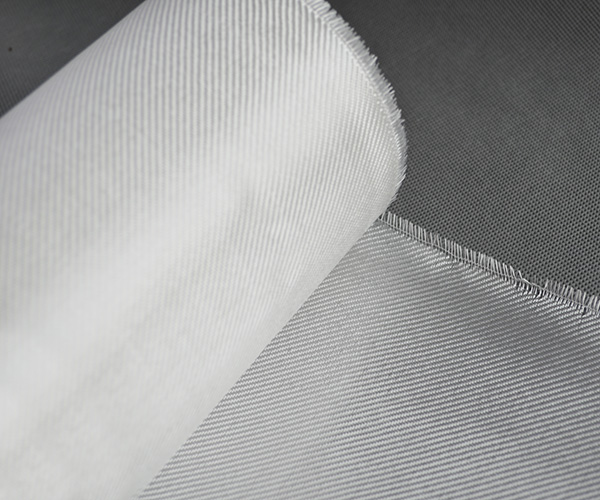
The unique property profile of ablation-resistant quartz fiber allows it to be fabricated into various functional forms, including felt, woven fabrics, braided sleeves, expanding tapes, and bulk fibers. These flexible formats serve critical functions across diverse high-temperature industries.
In the aerospace and defense sectors, quartz fiber is widely utilized for thermal protection systems, rocket motor nozzle insulation, structural radomes, and engine heat shields. Its combination of high heat resistance and low dielectric constant makes it uniquely suited for applications where thermal protection and electromagnetic signal transmission must coexist.
In heavy metallurgy and foundry operations, quartz fiber blankets and seals provide vital thermal insulation for induction furnaces, molten metal transfer launders, and high-temperature expansion joints. The material prevents heat loss while resisting splash and chemical attack from molten slag and metals.
In petrochemical and energy facilities, quartz fiber insulation wraps protect high-temperature reformer tubes, cracking furnaces, and exhaust gas piping systems. By maintaining precise thermal boundaries, these insulation wraps optimize process thermodynamics and reduce overall facility energy consumption.
Sourcing High-Quality Quartz Fiber Solutions from SHENJIU
Achieving consistent thermal protection requires raw materials manufactured to rigorous quality standards. Variations in silica purity, filament diameter, or weaving density can compromise the mechanical strength and ablation resistance of the final insulation product. Selecting a specialized manufacturer with deep expertise in high-silica and quartz textile production is critical for demanding industrial projects.
SHENJIU is a recognized specialist in the research, development, and production of high-performance quartz fiber and silica textile solutions. Utilizing advanced manufacturing processes and stringent quality control protocols, SHENJIU produces a comprehensive range of quartz fiber materials tailored specifically for high-temperature industrial insulation and ablation-resistant applications.
The product lineup from SHENJIU includes quartz fiber roving, yarns, woven fabrics, needle felts, and customized thermal barrier sleeves. Engineered with ultra-high silica purity, SHENJIU quartz fiber products deliver uniform fiber diameter distribution, high tensile strength, and minimal thermal shrinkage. By maintaining strict control over chemical purity and textile construction, SHENJIU ensures that its materials perform reliably under extreme thermal stress, helping industrial clients improve thermal efficiency, safeguard equipment, and achieve long-term operational performance.
Strategic Selection Criteria for Industrial Procurement
When selecting ablation-resistant quartz fiber insulation for specific industrial applications, engineering and procurement teams should evaluate several critical parameters to ensure optimal performance.
First, verify the chemical purity of the raw material. Higher silicon dioxide content directly correlates with elevated temperature resistance and resistance to crystallization. Second, assess the mechanical configuration of the insulation. Woven fabrics offer high tensile strength and puncture resistance for dynamic seals, while needle-punched felts provide superior thermal conductivity resistance for static insulation layers. Third, consider the operating gas velocities and mechanical abrasion levels within the system to ensure the chosen fiber density successfully resists physical erosion over time.
By aligning material specifications with real-world operating conditions and partnering with experienced suppliers like SHENJIU, industrial facilities can establish dependable thermal management systems capable of enduring the most severe industrial environments.
Aug-25-2026