


In extreme high-temperature environments such as aerospace propulsion, rocketry, and hypersonic defense systems, material performance directly dictates mission success. Rocket nozzles, re-entry heat shields, and thermal barrier systems endure severe conditions involving intense thermal radiation, hyper-velocity particle erosion, and high pressure. Maintaining structural integrity under these conditions requires specialized materials that combine high thermal tolerance, chemical stability, and mechanical strength. Ablation-resistant quartz fiber has emerged as a critical material solution engineered to protect vulnerable aerospace components from destructive thermal stress.
Understanding Ablation Resistance in Extreme Thermal Environments
Ablation refers to the controlled, sacrificial loss of material through phase changes, chemical reactions, and mechanical erosion when exposed to extreme heat and high-speed gas streams. In a rocket nozzle, propellant combustion generates gases exceeding thousands of degrees Celsius flowing at supersonic speeds. Without effective thermal protection, nozzles can deform, erode, or suffer catastrophic structural failure.
Ablation-resistant quartz fiber functions as the primary reinforcement material in composite thermal protection systems. High-purity quartz fibers possess a silicon dioxide content typically above 99.9 percent. This high chemical purity enables the material to retain its structural integrity and mechanical properties at continuous operating temperatures exceeding 1000 degrees Celsius, with short-term heat resistance reaching much higher thresholds. When integrated into phenolic or carbon resin matrices, quartz fibers form a protective char layer during thermal exposure. This ablative char layer absorbs significant thermal energy through endothermic reactions, reducing heat transfer into the underlying structural components.
Key Technical Advantages of Quartz Fiber for Aerospace Applications
Quartz fiber offers a unique combination of physical, thermal, and electrical properties that distinguish it from standard reinforcement materials like E-glass, S-glass, or carbon fiber in specific high-heat applications.
Superior Thermal Stability: Quartz fibers exhibit an extremely low coefficient of thermal expansion and exceptionally high softening temperatures. This property minimizes thermal shock and prevents dimensional warping or cracking under rapid temperature fluctuations.
High Chemical Purity and Corrosion Resistance: The high silica content renders quartz fiber highly resistant to chemical oxidation, acidic hot gas streams, and reactive combustion byproducts commonly found in solid and liquid rocket propellants.
Low Dielectric Constant and Loss Tangent: Beyond thermal barrier systems, quartz fiber offers excellent electromagnetic wave transparency. This makes it ideal for multi-functional structures, such as radomes and antenna covers integrated into re-entry vehicles or high-speed missiles, where both thermal protection and signal transmission are required.
High Tensile Strength and Flexibility: Advanced fiber spinning processes yield quartz filaments that can be woven into various textile configurations, including 2D fabrics, 3D braided structures, and unidirectional tapes. These flexible formats allow engineers to design complex composite geometries with high structural efficiency.
Primary Industrial Applications in Rocketry and Defense
Ablation-resistant quartz fiber plays a vital role across multiple critical components within the aerospace and defense sectors:
Rocket Nozzle Throat Inserts and Exit Cones: Rocket nozzles experience intense thermal and mechanical shear forces. Quartz fiber-reinforced composite liners isolate the outer metallic or carbon casing from direct combustion gases, controlling internal throat erosion and maintaining predictable thrust dynamics.
Thermal Protection Systems (TPS) for Re-entry Vehicles: Spacecraft and atmospheric re-entry capsules rely on ablative tile systems or flexible insulation blankets made from quartz fiber to shield payloads and personnel from atmospheric friction heat during descent.
Missile Fairings and Leading Edges: High-speed guided weapons face extreme aerodynamic heating on leading edges and nose cones. Quartz composite structures provide lightweight, durable heat management while preserving aerodynamic profiles.
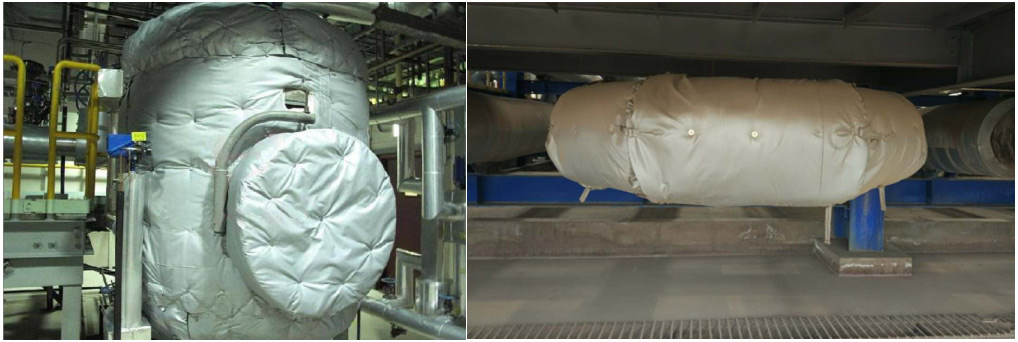
Industrial Thermal Barriers: Beyond rocketry, quartz fiber composites are deployed in industrial kilns, metallurgical heat shielding, and high-temperature pipe insulation systems where safety and thermal containment are paramount.
Technical Considerations for Engineers and Procurement Teams
Selecting the appropriate quartz fiber specification requires a detailed understanding of the operational environment and manufacturing processes:
Filament Diameter and Fiber Yield: Fine filament diameters enhance flexibility and matrix adhesion, whereas specific fiber yields determine the density and weave tightness of the final textile structure.
Sizing and Surface Chemistry: The chemical coating applied to the fiber surface determines compatibility with matrix resins, such as phenolic, epoxy, or polyimide resins. Proper sizing ensures strong interfacial bonding, which is essential for resisting shear forces during ablation.
Textile Architecture: Depending on the stress distribution of the component, engineers must select appropriate weave patterns. Multi-axis 3D weaving offers enhanced interlaminar shear strength, preventing delamination under high gas flow velocity.
Professional Quartz Fiber Solutions from SHENJIU
Sourcing high-grade quartz materials requires partnership with manufacturers that maintain strict quality control, advanced manufacturing infrastructure, and deep expertise in high-performance silica materials. SHENJIU is a specialized manufacturer dedicated to the development and production of high-purity quartz fiber products engineered for aerospace, defense, and high-temperature industrial applications.
SHENJIU provides a comprehensive range of quartz fiber solutions, including continuous quartz yarns, woven fabrics, quartz roving, and custom textile architectures tailored to specific ablative requirements. By utilizing high-purity silica raw materials and precise fiber-forming processes, SHENJIU ensures consistent thermal resistance, uniform filament diameter, and superior mechanical performance across production batches. Their technical team works closely with engineering teams to match fiber specifications, resin compatibility, and fabric configurations to exact project requirements, supporting reliable performance in demanding thermal barrier and propulsion applications.
Strategic Value of Advanced Thermal Protection
As propulsion systems evolve toward higher energy density, longer burn durations, and higher operating temperatures, the demand for advanced ablative materials continues to grow. High-purity ablation-resistant quartz fiber remains an essential material foundation for thermal management in modern rocketry and space exploration. By partnering with experienced manufacturers like SHENJIU, engineering teams can secure reliable material inputs, optimize composite design, and ensure structural safety in extreme operating environments.
Aug-27-2026