


As industries continue to demand lighter, stronger, and more heat-resistant materials, flexible quartz fabric has emerged as a highly effective solution for advanced engineering applications. Among the various specifications available, 0.04mm flexible quartz fabric is gaining significant attention due to its unique combination of ultra-thin construction, excellent thermal resistance, electrical insulation properties, and exceptional flexibility.
Manufactured from high-purity quartz fibers, this specialized material is widely used in aerospace, electronics, semiconductor manufacturing, thermal insulation systems, composite materials, and high-temperature industrial applications. Its ability to perform under extreme conditions while maintaining structural integrity makes it a preferred choice for engineers and manufacturers seeking reliable high-performance materials.
This article explores the key advantages of 0.04mm flexible quartz fabric, its applications, and why it is becoming increasingly important across modern industries.
Understanding Flexible Quartz Fabric 0.04mm
Flexible quartz fabric is woven from continuous quartz fibers derived from high-purity silica. The resulting material exhibits outstanding resistance to heat, chemicals, and electrical conductivity while maintaining lightweight characteristics.
The 0.04mm thickness specification refers to an ultra-thin fabric construction that offers enhanced flexibility without compromising many of the performance benefits associated with quartz materials.
Key characteristics include:
- Ultra-thin profile
- Lightweight structure
- High thermal resistance
- Excellent dielectric properties
- Chemical stability
- Dimensional consistency
- Mechanical flexibility
These features allow the material to perform effectively in applications where space, weight, and thermal performance are critical.
Exceptional High-Temperature Resistance
One of the most significant advantages of 0.04mm flexible quartz fabric is its ability to withstand elevated temperatures.
Quartz fibers possess a naturally high melting point and maintain stability under extreme thermal conditions.
Benefits include:
- Resistance to thermal degradation
- Stable performance during temperature fluctuations
- Low thermal expansion
- Long-term heat resistance
- Reliable insulation capabilities
These properties make the fabric suitable for environments where conventional materials may struggle to maintain performance.
Superior Thermal Insulation Performance
Thermal management is a critical requirement in many industrial applications.
The structure of quartz fibers helps reduce heat transfer while providing an effective thermal barrier.
Advantages include:
- Improved energy efficiency
- Protection of sensitive components
- Reduced thermal loss
- Enhanced equipment reliability
- Consistent thermal performance
Industries requiring precision temperature control often benefit from the use of quartz-based insulation materials.
Outstanding Flexibility
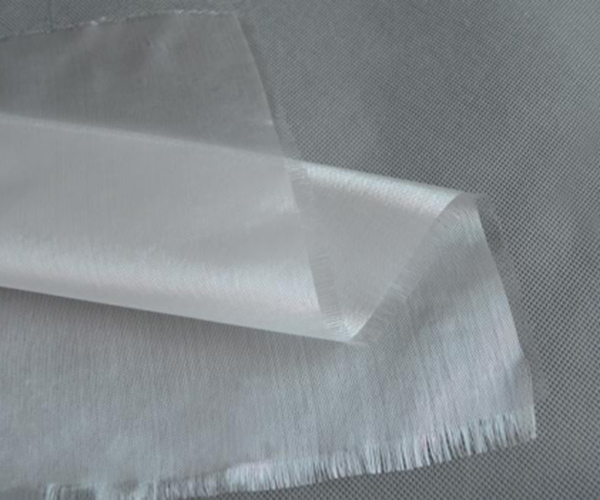
Despite its impressive heat resistance, 0.04mm quartz fabric remains remarkably flexible.
The ultra-thin construction allows it to:
- Conform to complex shapes
- Wrap around intricate components
- Fit within confined spaces
- Accommodate curved surfaces
- Support lightweight assemblies
This flexibility is particularly valuable in aerospace systems, electronics manufacturing, and composite material production.
Lightweight Material for Advanced Applications
Weight reduction remains a major objective in many industries.
The thin structure of 0.04mm flexible quartz fabric helps minimize overall system weight while maintaining performance.
Benefits include:
- Easier installation
- Reduced structural load
- Improved energy efficiency
- Enhanced product mobility
- Greater design flexibility
For industries where every gram matters, lightweight materials can contribute significantly to operational performance.
Excellent Electrical Insulation Properties
Quartz fiber materials are widely recognized for their outstanding dielectric performance.
Electrical insulation benefits include:
- High dielectric strength
- Low electrical conductivity
- Stable performance under heat
- Reduced signal interference
- Reliable electrical isolation
These properties make flexible quartz fabric highly suitable for electrical and electronic applications where insulation integrity is essential.
Low Thermal Expansion
Materials exposed to changing temperatures often experience expansion and contraction, which can affect dimensional stability.
Quartz fibers exhibit exceptionally low thermal expansion characteristics.
Advantages include:
- Improved dimensional accuracy
- Reduced stress on assemblies
- Better component alignment
- Enhanced structural stability
- Greater reliability under thermal cycling
This characteristic is especially important in precision manufacturing environments.
Chemical Resistance
Industrial environments frequently expose materials to chemicals, solvents, and corrosive substances.
Flexible quartz fabric demonstrates strong resistance to many chemical agents.
Benefits include:
- Extended service life
- Reduced material degradation
- Consistent performance
- Improved reliability
- Lower maintenance requirements
Chemical stability contributes significantly to long-term operational efficiency.
High Purity Composition
The high-purity silica content of quartz fibers offers several advantages in sensitive applications.
High purity helps ensure:
- Minimal contamination
- Consistent material performance
- Suitability for clean environments
- Enhanced process reliability
- Improved product quality
Industries such as semiconductor manufacturing often prioritize materials with exceptionally low impurity levels.
Compatibility with Composite Materials
Composite manufacturing continues to expand across aerospace, automotive, marine, and industrial sectors.
Flexible quartz fabric serves as an effective reinforcement material due to its:
- Lightweight structure
- Thermal stability
- Mechanical performance
- Dimensional consistency
- Process compatibility
Its integration into advanced composite systems can improve overall material performance while reducing weight.
Application in Aerospace Industry
Aerospace engineering requires materials capable of performing under extreme environmental conditions.
Flexible quartz fabric is commonly utilized for:
- Thermal protection systems
- Insulation layers
- Composite reinforcement
- Electronic shielding
- Lightweight structural applications
The combination of low weight and high-temperature resistance aligns well with aerospace design requirements.
Use in Electronics and Semiconductor Manufacturing
The electronics industry increasingly relies on materials that provide thermal and electrical protection.
Applications include:
- Insulation barriers
- Thermal management systems
- Semiconductor processing equipment
- Precision manufacturing environments
- High-performance electronic assemblies
The fabric’s purity and stability make it suitable for demanding technological applications.
Durability and Long-Term Performance
Long service life is an important factor when evaluating industrial materials.
Quartz fabric offers:
- Thermal stability
- Mechanical durability
- Resistance to environmental stress
- Consistent performance over time
- Reduced replacement frequency
These qualities can help lower lifecycle costs while improving operational reliability.
Environmental and Sustainability Benefits
Sustainability is becoming a key consideration in material selection.
Flexible quartz fabric supports sustainability goals through:
- Long operational lifespan
- Reduced maintenance needs
- Improved energy efficiency
- Durable performance
- Lower material replacement requirements
These advantages can contribute to more sustainable manufacturing and operational practices.
Manufacturing Precision and Quality Consistency
Advanced production processes enable manufacturers to produce quartz fabrics with highly consistent specifications.
Benefits include:
- Uniform thickness
- Reliable performance
- Consistent mechanical properties
- Improved process control
- Enhanced product quality
Precision manufacturing supports applications where material consistency is critical.
Future Trends for Flexible Quartz Fabric
As advanced industries continue to evolve, demand for high-performance quartz materials is expected to increase.
Emerging trends include:
- Lightweight aerospace structures
- Advanced electronics miniaturization
- High-temperature composite systems
- Electric vehicle technologies
- Semiconductor manufacturing expansion
- Next-generation thermal management solutions
These developments are likely to drive further innovation in quartz fiber technologies.
Flexible quartz fabric 0.04mm offers an exceptional combination of heat resistance, flexibility, lightweight construction, electrical insulation, and chemical stability. Its ultra-thin profile allows it to meet the demanding requirements of industries ranging from aerospace and electronics to semiconductor manufacturing and advanced composites.
As manufacturers continue seeking materials that deliver both performance and efficiency, 0.04mm flexible quartz fabric stands out as a versatile and reliable solution. Its ability to maintain stability under challenging conditions while supporting modern engineering objectives makes it an increasingly valuable material in today’s high-technology industrial landscape.
May-26-2026