


Ultra-fine AI quartz fiber is a high-performance inorganic fiber material designed for applications that require excellent thermal stability, insulation performance, and reliable structural properties. With its fine fiber diameter, high purity characteristics, and stable physical performance, it has become an important material choice in industries where traditional materials may not meet advanced engineering requirements.
In modern manufacturing, material selection directly affects product performance, service stability, and overall system reliability. Industries such as aerospace, radar systems, high-temperature equipment, electronic insulation, and advanced composite manufacturing require materials that can maintain performance under demanding environments.
Ultra-fine AI quartz fiber provides engineers with a lightweight and flexible material solution. Its fine fiber structure allows manufacturers to develop products with improved insulation efficiency, enhanced material design flexibility, and precise performance control.
For companies involved in high-end composite materials or thermal protection systems, understanding the application scenarios and technical parameters of ultra-fine AI quartz fiber helps them select suitable materials for specific engineering projects.
Application In Aerospace And High-Temperature Protection Systems
Aerospace applications often require materials that can withstand extreme temperature changes while maintaining stable physical properties. Components used in aerospace systems, thermal protection structures, and advanced composite materials need insulation solutions with excellent temperature resistance and lightweight characteristics.
Ultra-fine AI quartz fiber is widely considered suitable for aerospace-related applications because of its high-temperature stability and low thermal conductivity characteristics. It can be used as a reinforcement material or insulation component in composite structures where weight control and thermal management are important.
For example, aerospace engineers may use quartz fiber materials in radome structures, thermal insulation layers, and high-performance composite parts. These applications require materials that provide reliable protection while maintaining electromagnetic compatibility and structural performance.
The fine fiber diameter of ultra-fine quartz fiber also supports the development of thinner and more precise material layers, helping manufacturers optimize product design.
Applications In Radar Radomes And Communication Equipment
Modern communication systems require protective structures that can provide mechanical protection while maintaining signal transmission performance. Radar radomes are a typical example where material selection plays an important role.
Ultra-fine AI quartz fiber is suitable for composite materials used in radar radome manufacturing because quartz fiber has excellent dielectric properties and stable performance in high-frequency environments.
In radar applications, the material needs to balance strength, weight, and electromagnetic characteristics. Quartz fiber-based composites can help manufacturers achieve lightweight structures while supporting reliable signal transmission.
For communication equipment manufacturers, selecting the appropriate quartz fiber specification is an important step in achieving product performance goals. Fiber diameter, purity level, tensile strength, and thermal performance are key parameters that influence final composite quality.
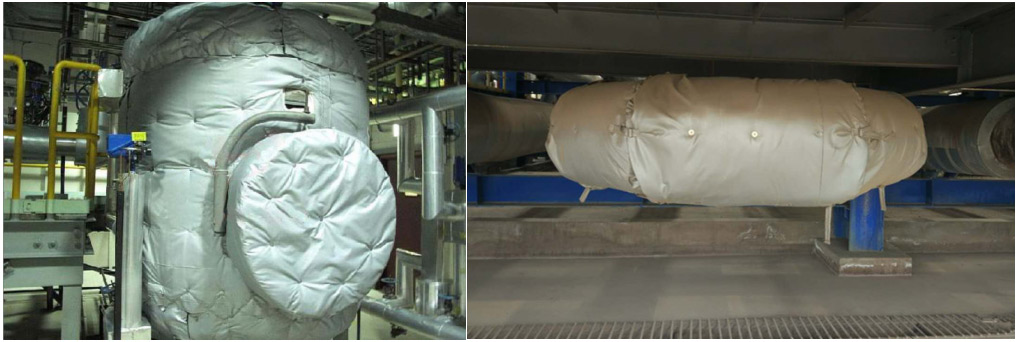
Use In Industrial Thermal Insulation And High-Temperature Equipment
Many industrial processes involve high temperatures, including furnace systems, heat treatment equipment, and thermal processing applications. These environments require insulation materials that can provide stable performance while reducing heat transfer.
Ultra-fine AI quartz fiber can be applied in thermal insulation products such as insulation blankets, fabrics, yarns, and composite insulation structures.
Its fine fiber structure helps create lightweight insulation materials with effective thermal protection performance. In industrial equipment design, reducing heat loss can improve energy efficiency and support more stable operation.
For manufacturers producing thermal insulation solutions, choosing quartz fiber with consistent technical parameters is important. Material purity, fiber diameter distribution, thermal resistance, and mechanical strength all influence the final application results.
Key Technical Parameters Of Ultra-Fine AI Quartz Fiber
When selecting ultra-fine AI quartz fiber, engineers usually evaluate several important technical parameters based on application requirements.
Fiber diameter is one of the most important characteristics. Ultra-fine fibers provide a larger surface area and allow manufacturers to create thinner, more flexible material structures.
Purity is another critical factor. High-purity quartz fiber helps maintain stable performance in high-temperature and specialized industrial environments.
Tensile strength affects material durability during processing and application. Fibers with consistent mechanical properties are easier to integrate into composite manufacturing processes.
Thermal stability is also essential for applications involving heat exposure. Engineers need to evaluate whether the fiber can maintain its properties under expected operating conditions.
Other parameters, including fiber length, moisture content, surface treatment, and processing compatibility, may also influence the suitability of quartz fiber for different manufacturing processes.
Selecting A Professional Ultra-Fine Quartz Fiber Supplier
For advanced material applications, choosing a reliable supplier is an important part of ensuring project quality. Manufacturers need not only stable material supply but also technical understanding of different application requirements.
SHENJIU specializes in quartz fiber products and provides professional material solutions for industries requiring high-performance fiber materials. With experience in quartz fiber manufacturing, SHENJIU focuses on product consistency, technical specifications, and application support for different industrial fields.
Whether used in aerospace composite materials, radar-related structures, thermal insulation systems, or other high-temperature applications, SHENJIU provides quartz fiber products designed to meet different engineering requirements.
Working with an experienced supplier allows customers to better match fiber specifications with their manufacturing processes, improving material selection efficiency and supporting product development.
Supporting Future Industrial Material Innovation
As industries continue to improve equipment performance and develop advanced technologies, the demand for high-performance fiber materials continues to increase.
Ultra-fine AI quartz fiber offers valuable characteristics for applications requiring lightweight structures, thermal protection, and stable physical performance. From aerospace components to industrial insulation systems, its unique material properties provide flexible options for engineers and manufacturers.
Understanding application scenarios and technical parameters is essential when selecting quartz fiber materials. By combining suitable material specifications with professional manufacturing expertise, companies can develop products that better meet modern industrial requirements.
SHENJIU continues to provide quartz fiber solutions that support advanced manufacturing fields and help customers explore the possibilities of high-performance composite materials.
Jul-27-2026