


Quartz fiber fabric has become an important material in advanced engineering fields where extreme performance, thermal resistance, and structural reliability are required. As industries continue to push technological boundaries, particularly in aerospace and automotive manufacturing, materials capable of withstanding high temperatures and mechanical stress are increasingly valuable. Quartz fiber fabric offers a unique combination of properties, including excellent heat resistance, low dielectric constant, high tensile strength, and outstanding chemical stability.
Because of these advantages, quartz fiber fabric has gained significant attention in industries that demand lightweight yet high performance materials. In both aerospace and automotive sectors, engineers rely on this advanced fabric to improve safety, durability, and efficiency in critical components. This article explores the key applications of quartz fiber fabric in these industries and explains why it has become a preferred solution for high performance manufacturing.
Understanding Quartz Fiber Fabric and Its Unique Properties
Quartz fiber fabric is produced from high purity quartz fibers that are woven into textile structures. These fibers are derived from natural silica materials that are processed and drawn into extremely fine filaments. Once woven into fabric form, the material becomes highly adaptable for use in composite systems, insulation layers, and structural reinforcements.
One of the most notable characteristics of quartz fiber fabric is its ability to withstand extremely high temperatures without losing structural integrity. The material also demonstrates excellent dielectric properties, making it suitable for applications where electrical insulation and signal stability are important. Additionally, quartz fiber fabric exhibits a very low coefficient of thermal expansion, allowing it to maintain dimensional stability even under rapid temperature changes.
These properties make quartz fiber fabric an ideal choice for demanding engineering environments where conventional materials may fail or degrade.
The Role of Quartz Fiber Fabric in Aerospace Engineering
The aerospace industry requires materials that combine strength, lightweight characteristics, and extreme heat resistance. Aircraft components, spacecraft systems, and high speed flight structures are often exposed to harsh thermal conditions and mechanical loads. Quartz fiber fabric meets these requirements by providing durable reinforcement while minimizing overall weight.
In aerospace structures, quartz fiber fabric is frequently used as a reinforcement material in composite laminates. These composites help improve structural performance while reducing the mass of the aircraft or spacecraft. Lower weight contributes to improved fuel efficiency and better overall system performance.
Quartz fiber fabric is also used in thermal protection systems that shield sensitive components from intense heat. During high speed flight or atmospheric reentry, temperatures can rise dramatically. The heat resistance of quartz fiber fabric allows it to function as a protective barrier that maintains structural integrity in extreme environments.
Thermal Protection Systems and High Temperature Insulation
One of the most critical aerospace applications of quartz fiber fabric is in thermal protection systems. These systems are designed to protect structural components, electronic equipment, and fuel systems from excessive heat.
Quartz fiber fabric is often integrated into multilayer insulation structures that prevent heat transfer and maintain stable internal temperatures. Because quartz fibers can tolerate very high temperatures without degradation, they are particularly effective in environments where other insulation materials may fail.
In spacecraft and advanced aircraft systems, thermal insulation is essential for maintaining the reliability of onboard electronics and control systems. Quartz fiber fabric helps engineers design insulation systems that are both lightweight and highly efficient.
Use of Quartz Fiber Fabric in High Frequency Aerospace Electronics
Modern aerospace systems rely heavily on high frequency communication equipment, radar systems, and navigation electronics. These systems require materials with stable dielectric properties to ensure reliable signal transmission.
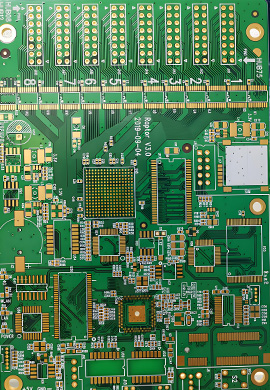
Quartz fiber fabric offers a low dielectric constant and minimal signal loss, making it highly suitable for electronic substrates and insulation layers used in aerospace electronics. When combined with advanced resin systems, quartz fiber reinforced composites provide strong mechanical support while maintaining excellent electrical performance.
This combination of electrical stability and mechanical durability helps ensure the reliability of communication and navigation systems operating in demanding aerospace environments.
Applications of Quartz Fiber Fabric in Automotive Manufacturing
The automotive industry is increasingly adopting advanced materials to improve vehicle efficiency, safety, and performance. Lightweight composite materials play a crucial role in reducing vehicle weight while maintaining structural strength.
Quartz fiber fabric is used in various automotive applications where heat resistance and durability are important. For example, it can be incorporated into composite parts for engine compartments, exhaust systems, and high temperature shielding components.
Vehicles generate significant heat during operation, especially around engines and braking systems. Quartz fiber fabric helps protect surrounding components by acting as a thermal barrier that resists heat transfer and prevents material degradation.
Improving Vehicle Safety and Structural Strength
Safety is a major priority in automotive design. Materials used in vehicle structures must withstand mechanical stress, vibration, and sudden impacts while maintaining their integrity.
Quartz fiber fabric reinforced composites offer high tensile strength and excellent resistance to thermal stress. These properties help improve the durability of structural components and protective systems within vehicles.
In addition to strength, the lightweight nature of quartz fiber fabric contributes to improved vehicle performance. Reduced vehicle weight enhances fuel efficiency, improves handling, and lowers emissions, which are important goals in modern automotive engineering.
Thermal Shielding in High Performance Vehicles
High performance vehicles and electric vehicles often require advanced thermal management systems. Batteries, power electronics, and high performance engines generate substantial heat that must be controlled to ensure safe and efficient operation.
Quartz fiber fabric can be used as part of heat shields, insulation layers, and fire resistant barriers within vehicle systems. Its ability to withstand high temperatures and resist thermal degradation makes it suitable for protecting sensitive components.
In electric vehicles, effective thermal management is particularly important for maintaining battery performance and safety. Quartz fiber fabric helps engineers design insulation systems that improve reliability and extend component lifespan.
Advantages of Quartz Fiber Fabric Compared to Conventional Materials
Compared with many traditional reinforcement fabrics, quartz fiber fabric offers several performance advantages. Its superior heat resistance allows it to perform in environments where glass fiber or other materials may soften or degrade.
The material also provides better dielectric properties, which is especially important for electronic systems used in aerospace and modern vehicles. Additionally, quartz fiber fabric demonstrates strong chemical resistance and low moisture absorption, which contribute to long term durability.
These advantages make quartz fiber fabric a highly versatile material capable of supporting both structural and thermal management functions in advanced engineering systems.
Future Development of Quartz Fiber Fabric in Advanced Industries
As aerospace and automotive technologies continue to evolve, demand for advanced high temperature materials is expected to increase. Engineers are constantly seeking materials that combine lightweight characteristics with superior thermal and mechanical performance.
Research and development in quartz fiber manufacturing are focused on improving fiber uniformity, enhancing composite compatibility, and expanding production capabilities. These improvements will likely enable broader adoption of quartz fiber fabric across emerging technologies.
Future applications may include next generation aerospace systems, advanced electric vehicles, and high performance industrial equipment. With continued innovation, quartz fiber fabric will remain a key material supporting the development of high efficiency engineering solutions.
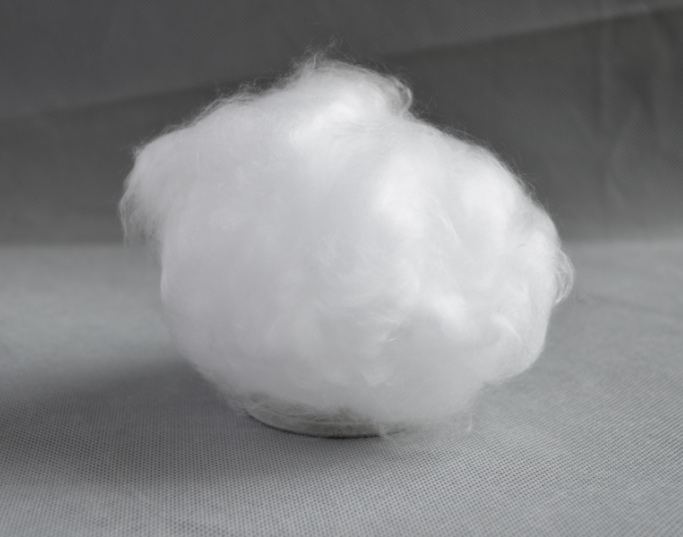
Quartz fiber fabric plays an increasingly important role in both aerospace and automotive industries. Its exceptional heat resistance, mechanical strength, electrical stability, and lightweight properties make it an ideal material for demanding engineering environments.
From thermal protection systems in aircraft to heat shielding and structural reinforcement in vehicles, quartz fiber fabric helps engineers design components that are safer, stronger, and more efficient. As technology advances and performance requirements continue to grow, quartz fiber fabric will remain a critical material for high performance manufacturing across multiple industries.
Mar-12-2026