


Quartz rovings are continuous strands of high-purity quartz fibers that are woven or bundled to form strong, lightweight materials. Due to their exceptional thermal resistance, electrical insulation properties, and mechanical strength, quartz rovings have become essential in industries that demand high performance and reliability under extreme conditions. Particularly in the automotive and electronics sectors, quartz rovings provide innovative solutions for thermal management, structural reinforcement, and electrical insulation. This article explores the key applications of quartz rovings in these industries and highlights their benefits in enhancing efficiency, durability, and safety.
Thermal Management in Automotive Applications
One of the primary uses of quartz rovings in the automotive industry is thermal management. Vehicles today operate at higher performance levels, generating significant heat in engines, exhaust systems, and battery packs, particularly in electric vehicles. Quartz rovings are employed as insulation and reinforcement in high-temperature components due to their ability to withstand temperatures exceeding 1000°C without degradation.
Applications include heat shields, exhaust wraps, and insulation for electric vehicle battery compartments. Their low thermal expansion ensures that components maintain structural integrity during rapid temperature fluctuations, reducing the risk of deformation, cracking, or failure. This improves overall vehicle safety and extends the lifespan of critical components.
Mechanical Reinforcement and Lightweight Structures
Quartz rovings are also utilized for mechanical reinforcement in automotive composites. They can be integrated into polymer matrices or resin systems to create lightweight yet highly durable components. This combination of strength and low weight contributes to fuel efficiency, performance, and safety.
Typical reinforced components include body panels, chassis elements, and under-the-hood parts exposed to vibration, thermal stress, or mechanical load. Quartz rovings’ high tensile strength ensures that these composites maintain their shape and integrity over prolonged service, reducing maintenance needs and improving reliability.
Electrical Insulation in Automotive Electronics
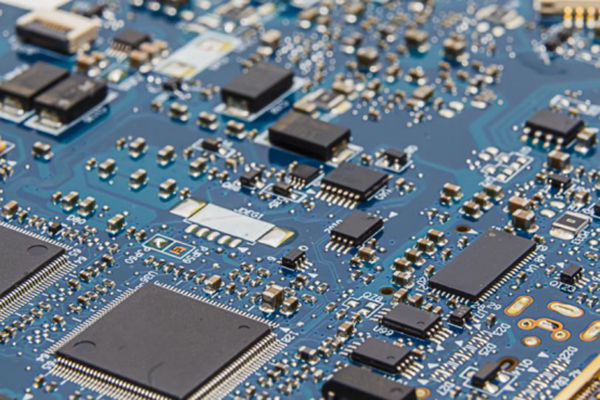
Modern vehicles rely heavily on electronic systems, from infotainment and sensors to advanced driver-assistance systems (ADAS) and electric powertrains. Quartz rovings offer excellent electrical insulation, making them ideal for applications in wiring harnesses, printed circuit board (PCB) supports, and protective coatings for sensitive components.
Their natural resistance to electrical conductivity prevents short circuits and enhances the safety and reliability of automotive electronics. In high-voltage electric vehicles, quartz rovings provide crucial insulation for battery connections, inverters, and charging components, ensuring stable performance under thermal and electrical stress.
Electronics Industry Applications
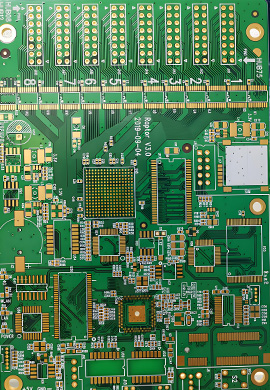
In the broader electronics industry, quartz rovings play a critical role in manufacturing high-performance devices. They are used as reinforcement in PCB substrates, microelectronics, and insulation for high-frequency or high-power applications. Quartz rovings improve dimensional stability, reduce thermal expansion, and provide mechanical strength to delicate electronic assemblies.
Additionally, their thermal and chemical stability makes them suitable for applications in semiconductor fabrication, laboratory instruments, and high-temperature industrial electronics. By integrating quartz rovings into electronic components, manufacturers achieve greater durability, reliability, and performance in demanding operational environments.
Advantages in High-Temperature and Harsh Environments
Quartz rovings excel in environments where conventional materials fail. Their high melting point, low thermal expansion, and resistance to thermal shock make them indispensable in automotive and electronics components exposed to extreme temperatures. They also resist chemical corrosion, moisture absorption, and electrical degradation, further enhancing the longevity and safety of parts.
This combination of properties allows engineers to design components that meet stringent performance criteria while maintaining lightweight and compact designs. As industries pursue electrification, autonomous vehicles, and miniaturized electronics, quartz rovings provide a scalable solution to meet evolving demands.
Design Flexibility and Ease of Integration
Quartz rovings are highly versatile and can be woven, braided, or combined with resins to create tailored solutions for specific applications. Their flexibility enables use in complex geometries and confined spaces, allowing for optimal material placement and performance. Engineers can customize fiber orientation and density to enhance mechanical, thermal, or electrical properties as required.
This adaptability simplifies manufacturing processes and enables the production of advanced composites and insulated assemblies that deliver superior functionality compared to traditional materials.
Safety and Regulatory Compliance
In automotive and electronics industries, compliance with safety and regulatory standards is essential. Quartz rovings contribute to meeting these standards due to their flame-retardant nature, chemical inertness, and non-toxicity. Components reinforced or insulated with quartz rovings reduce fire hazards and maintain integrity under thermal and mechanical stress, supporting regulatory adherence and enhancing end-user safety.
Cost Efficiency and Lifecycle Benefits
While quartz rovings may have higher upfront material costs compared to conventional fibers, their durability, thermal stability, and low maintenance requirements deliver cost savings over the lifecycle of components. Reduced failure rates, longer service intervals, and enhanced performance translate to lower total ownership costs and higher reliability for automotive and electronics systems.
Emerging Trends and Innovations
As automotive and electronics sectors evolve, quartz rovings continue to find new applications. In electric vehicles, for instance, they are used to reinforce battery modules, insulate high-voltage wiring, and support thermal management systems. In electronics, advances in microelectronics and high-frequency devices drive demand for quartz rovings in composite substrates and insulation solutions. Innovations in weaving techniques, resin integration, and hybrid composites expand their potential applications, further enhancing performance and efficiency.
Quartz rovings offer unmatched thermal, mechanical, and electrical performance, making them indispensable in automotive and electronics industries. Their applications range from thermal insulation and structural reinforcement to electrical insulation and high-performance composite manufacturing. By incorporating quartz rovings, manufacturers achieve safer, more durable, and efficient components capable of withstanding extreme conditions. As technology advances, quartz rovings are poised to play an increasingly critical role in high-performance automotive systems and cutting-edge electronics, providing engineers with versatile, reliable, and high-value solutions.
Mar-13-2026