


High-temperature sensing technologies are essential in industries where precision, reliability, and durability are critical. From aerospace propulsion systems to industrial furnaces and energy generation facilities, sensors must operate accurately under extreme thermal conditions. Ultra-thin quartz fabric has emerged as a highly effective material for enhancing sensor performance in such environments. Its unique combination of thermal stability, flexibility, and dielectric properties makes it an ideal solution for next-generation high-temperature sensors.
Understanding Ultra-Thin Quartz Fabric
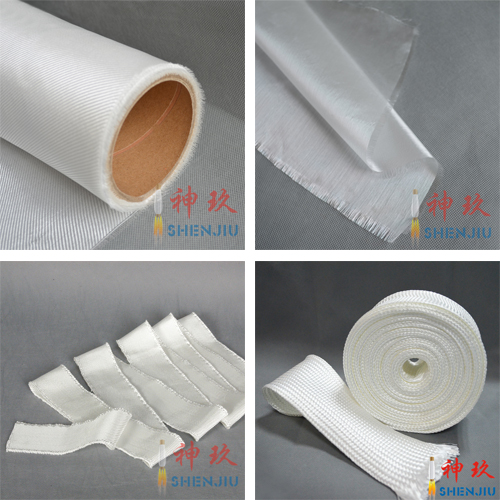
Ultra-thin quartz fabric is manufactured from high-purity quartz fibers woven into lightweight, flexible textiles. These fabrics are characterized by their minimal thickness, uniform structure, and exceptional material purity.
The ultra-thin configuration allows for integration into compact sensor designs without adding significant weight or bulk. At the same time, the inherent properties of quartz ensure consistent performance even in challenging conditions.
Thermal Stability for High-Temperature Applications
One of the most important requirements for high-temperature sensors is the ability to withstand extreme heat without degradation. Ultra-thin quartz fabric offers excellent thermal resistance, maintaining its structural and functional integrity at temperatures exceeding 1000°C.
This stability ensures that sensors continue to operate accurately in environments such as gas turbines, combustion chambers, and metallurgical processes. The material’s low thermal expansion also helps maintain dimensional precision, which is essential for reliable measurements.
Electrical Insulation and Dielectric Performance
High-temperature sensors often require materials that provide both electrical insulation and stable dielectric properties. Ultra-thin quartz fabric meets these requirements by offering low dielectric constant and high electrical resistance.
This enables accurate signal transmission and minimizes interference, particularly in sensors operating at high frequencies or in electromagnetically complex environments. The result is improved sensor accuracy and reliability.
Enhancing Sensor Sensitivity and Responsiveness
The lightweight and thin structure of quartz fabric contributes to enhanced sensor sensitivity. By minimizing thermal mass, the material allows sensors to respond more quickly to temperature changes.
This rapid responsiveness is critical in applications where real-time monitoring is required. Whether detecting fluctuations in industrial processes or monitoring critical aerospace systems, ultra-thin quartz fabric helps ensure timely and precise data collection.
Chemical Resistance in Harsh Environments
High-temperature environments are often accompanied by exposure to corrosive chemicals and reactive gases. Ultra-thin quartz fabric exhibits excellent resistance to such conditions due to its stable silicon dioxide composition.
This chemical resilience ensures long-term performance without contamination or degradation. As a result, sensors can maintain accuracy and durability even in aggressive industrial settings.
Flexibility and Integration into Advanced Sensor Designs
The flexibility of ultra-thin quartz fabric allows it to be easily integrated into a wide range of sensor configurations. It can conform to complex geometries and be incorporated into layered composite structures.
This adaptability supports the development of innovative sensor designs, including compact, lightweight, and multifunctional sensing systems. Engineers can optimize sensor placement and performance without being constrained by material limitations.
Applications in Aerospace and Energy Systems
Ultra-thin quartz fabric is widely used in high-temperature sensors for aerospace and energy applications. In aircraft engines, it supports temperature monitoring in critical components, ensuring safe and efficient operation.
In energy systems, such as power plants and renewable energy facilities, the material enables accurate sensing in high-heat environments. Its reliability under extreme conditions makes it a valuable component in mission-critical systems.
Role in Industrial Process Monitoring
Industrial processes such as metal production, glass manufacturing, and chemical processing require precise temperature control. Ultra-thin quartz fabric enhances sensor performance in these applications by providing stability and durability.
Its ability to withstand continuous exposure to high temperatures ensures consistent monitoring, which is essential for maintaining product quality and operational efficiency.
Supporting Miniaturization and Smart Sensors
As sensor technologies evolve, there is a growing trend toward miniaturization and integration with smart systems. Ultra-thin quartz fabric supports this trend by enabling compact designs without compromising performance.
Its compatibility with advanced electronics and sensing technologies allows for the development of smart sensors capable of real-time data analysis and communication. This integration is key to modern industrial automation and digital transformation.
Sustainability and Long-Term Reliability
Ultra-thin quartz fabric contributes to sustainability by extending the lifespan of high-temperature sensors. Its durability reduces the need for frequent replacements, minimizing material waste and maintenance requirements.
Additionally, its role in improving sensor efficiency supports energy optimization in various applications. These benefits align with global efforts to enhance sustainability in industrial and technological systems.
Future Innovations in High-Temperature Sensing
Ongoing research continues to expand the potential applications of ultra-thin quartz fabric in high-temperature sensing. Emerging technologies, including advanced robotics, space exploration, and next-generation energy systems, are exploring its capabilities.
As these fields evolve, the demand for materials that combine precision, resilience, and adaptability will continue to grow. Ultra-thin quartz fabric is well-positioned to meet these needs, driving innovation in sensor technology.
A Key Material for Advanced Sensor Performance
Ultra-thin quartz fabric is transforming the design and performance of high-temperature sensors. Its exceptional thermal stability, electrical insulation, chemical resistance, and flexibility make it an indispensable material in demanding environments.
By enabling accurate, reliable, and efficient sensing, it supports a wide range of industries in achieving higher levels of performance and innovation. As technology continues to advance, ultra-thin quartz fabric will remain a cornerstone material in the development of next-generation high-temperature sensors.
Apr-04-2026