


The rapid evolution of electric vehicles is reshaping the automotive industry, placing unprecedented emphasis on efficiency, sustainability, and performance. Among the many engineering challenges, lightweighting has emerged as a critical priority. Reducing vehicle weight directly improves driving range, energy efficiency, and overall performance. Within this context, advanced composite materials are gaining traction, and Q-glass roving stands out as a transformative solution for next-generation electric vehicle chassis design.
The Importance of Lightweighting in Electric Vehicles
Electric vehicles rely heavily on battery systems, which contribute significantly to overall vehicle weight. A lighter chassis allows manufacturers to optimize battery performance, extend driving range, and enhance handling dynamics. Lightweighting also supports faster acceleration, improved energy consumption, and reduced wear on components.
Modern automotive engineering increasingly integrates lightweight materials without compromising strength, durability, or safety. This balance is essential for meeting regulatory standards while delivering superior driving experiences.
What is Q-Glass Roving
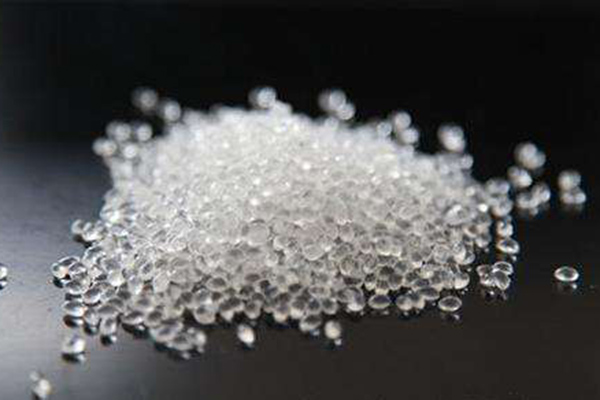
Q-glass roving is a high-performance reinforcement material composed of continuous glass fibers engineered for advanced composite applications. Compared to traditional materials, it offers enhanced tensile strength, excellent corrosion resistance, and superior thermal stability. Its structure allows for efficient resin impregnation, making it ideal for various composite manufacturing processes.
The unique properties of Q-glass roving make it particularly suitable for automotive applications where weight reduction and mechanical performance are equally important.
Advantages of Q-Glass Roving in EV Chassis Design
High Strength-to-Weight Ratio
One of the most significant benefits of Q-glass roving is its exceptional strength-to-weight ratio. This enables engineers to design chassis components that are lighter yet structurally robust. As a result, vehicles achieve improved performance without sacrificing safety or durability.
Enhanced Durability
Electric vehicle chassis must withstand various mechanical stresses, including vibration, torsion, and impact. Q-glass roving provides excellent fatigue resistance and long-term durability, ensuring consistent performance throughout the vehicle lifecycle.
Corrosion Resistance
Unlike traditional metal components, Q-glass roving-based composites are inherently resistant to corrosion. This property is particularly valuable for electric vehicles operating in diverse environmental conditions, including humidity and exposure to road salts.
Thermal Stability
Electric vehicles generate heat from battery systems and power electronics. Q-glass roving maintains its structural integrity across a wide temperature range, supporting reliable performance in demanding conditions.
Manufacturing Efficiency and Design Flexibility
Q-glass roving supports a variety of advanced manufacturing techniques, including filament winding, pultrusion, and resin transfer molding. These processes enable precise control over material distribution and fiber orientation, resulting in optimized structural performance.
Additionally, the material allows for complex geometries and integrated component designs. This reduces the need for multiple parts and simplifies assembly, contributing to overall production efficiency.
Sustainability and Environmental Impact
Sustainability is a central focus in the development of electric vehicles. Q-glass roving contributes to environmental goals by enabling lightweight structures that reduce energy consumption during vehicle operation. Its durability also extends product lifespan, minimizing resource use over time.
Furthermore, composite materials incorporating Q-glass roving can be designed with recyclability considerations, supporting circular economy initiatives within the automotive sector.
Applications in Next-Generation EV Chassis
Q-glass roving is increasingly being used in key structural components of electric vehicle chassis, including:
Body-in-white structures
Battery enclosures
Cross members and reinforcement beams
Suspension components
These applications demonstrate the versatility of the material and its ability to meet the evolving demands of electric vehicle design.
Future Outlook
As electric vehicle adoption continues to accelerate, the demand for advanced materials will grow accordingly. Q-glass roving is well-positioned to play a pivotal role in shaping the future of automotive engineering. Ongoing research and development efforts are expected to further enhance its performance characteristics and expand its application scope.
Manufacturers that embrace innovative materials like Q-glass roving will gain a competitive edge by delivering vehicles that combine efficiency, performance, and sustainability.
Automotive lightweighting is a key driver of innovation in the electric vehicle industry. Q-glass roving offers a compelling combination of strength, durability, and design flexibility, making it an ideal solution for next-generation EV chassis. By integrating this advanced material, manufacturers can achieve significant improvements in efficiency and performance while supporting long-term sustainability goals.
Mar-31-2026