


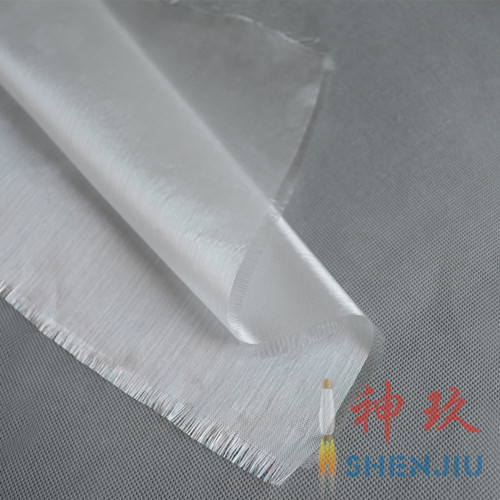
As industries continue to demand advanced materials capable of performing under extreme conditions, quartz fabric has emerged as one of the most reliable solutions for thermal insulation and heat protection. Among the various specifications available, 0.04mm quartz fabric stands out for its exceptional balance of lightweight construction, thermal resistance, flexibility, and durability.
Manufactured from high-purity quartz fibers, this ultra-thin fabric is designed to withstand elevated temperatures while maintaining structural integrity. Its unique combination of thermal stability and mechanical performance makes it an ideal material for applications in aerospace, electronics, industrial manufacturing, energy systems, and advanced engineering projects.
For businesses seeking dependable thermal shielding materials, 0.04mm quartz fabric represents a high-performance solution that supports both efficiency and long-term reliability.
Why Quartz Fiber Is Ideal for High-Temperature Applications
Quartz fiber is produced from high-purity silica materials that undergo specialized processing to create continuous fibers with excellent thermal characteristics. These fibers exhibit outstanding resistance to heat, thermal shock, and environmental stress.
Unlike many conventional insulation materials, quartz fiber maintains its performance across a wide temperature range. This capability is particularly valuable in environments where sudden temperature fluctuations can affect material stability.
Key advantages include:
- Excellent thermal resistance
- Low thermal conductivity
- High dimensional stability
- Lightweight structure
- Superior dielectric properties
- Resistance to thermal aging
- Consistent performance in demanding environments
These characteristics have made quartz fabric a preferred choice for engineers and manufacturers developing advanced thermal protection systems.
Thermal Shielding Performance of 0.04mm Quartz Fabric
Thermal shielding materials must effectively manage heat transfer while maintaining flexibility and ease of installation. The 0.04mm quartz fabric specification achieves these goals through its optimized fiber structure and precision manufacturing process.
The fabric acts as a thermal barrier that helps reduce heat penetration into sensitive components and equipment. Its fine fiber construction creates a highly efficient insulation layer that supports temperature management without adding significant weight.
In thermal shielding systems, 0.04mm quartz fabric contributes to:
- Heat reflection and dissipation
- Protection of temperature-sensitive components
- Improved operational safety
- Enhanced equipment reliability
- Extended service life of surrounding materials
These benefits are particularly important in applications where thermal management directly affects system performance and operational efficiency.
Lightweight Design Supports Advanced Engineering Requirements
Modern engineering increasingly emphasizes lightweight materials that can improve efficiency while maintaining performance. The ultra-thin 0.04mm quartz fabric addresses this requirement by providing exceptional thermal protection in a remarkably lightweight format.
Weight reduction is especially important in sectors such as aerospace, transportation, renewable energy, and electronics manufacturing. Every gram saved can contribute to improved energy efficiency, easier installation, and optimized system design.
Despite its thin profile, quartz fabric maintains impressive structural strength, allowing engineers to integrate thermal protection without compromising design flexibility.
This balance between lightweight construction and thermal performance makes 0.04mm quartz fabric suitable for highly specialized applications where space and weight constraints are critical considerations.
Applications Across Multiple Industries
The versatility of 0.04mm quartz fabric has enabled its adoption across numerous industries that require dependable thermal shielding solutions.
Aerospace and Aviation
Aerospace systems operate under demanding thermal conditions that require advanced insulation materials. Quartz fabric is commonly used in thermal barriers, protective wraps, insulation layers, and heat-resistant composite structures.
Its lightweight nature supports fuel efficiency objectives while ensuring reliable thermal protection throughout operational cycles.
Electronics and Electrical Systems
Electronic components generate significant heat during operation. Effective thermal management is essential for maintaining performance and extending product lifespan.
Quartz fabric can be incorporated into insulation systems, protective barriers, and thermal shielding assemblies that help regulate temperatures around sensitive equipment.
Industrial Manufacturing
Industrial processing environments often expose machinery and equipment to elevated temperatures. Quartz fabric serves as an effective thermal protection layer for production systems, insulation assemblies, and heat management solutions.
Its durability contributes to long-term operational stability in demanding manufacturing settings.
Renewable Energy Technologies
Advanced energy systems, including solar, battery, and energy storage technologies, require reliable thermal control materials.
Quartz fabric supports these applications by providing lightweight thermal shielding that enhances safety and improves overall system efficiency.
Material Properties That Enhance Performance
The performance of 0.04mm quartz fabric is directly related to the unique properties of quartz fibers. These characteristics contribute to its growing popularity among engineers and procurement professionals.
| Property | Benefit |
|---|---|
| High Purity Quartz Fiber | Stable thermal performance |
| Ultra-Thin Construction | Reduced system weight |
| Low Thermal Conductivity | Effective insulation |
| High Temperature Resistance | Reliable heat protection |
| Excellent Flexibility | Easy installation |
| Dielectric Strength | Electrical insulation support |
| Chemical Stability | Long-term durability |
Together, these attributes create a material that delivers consistent performance across a wide range of operating environments.
Supporting Composite Material Innovation
Composite materials have become increasingly important in modern manufacturing. Engineers continually seek reinforcement materials that can improve strength, reduce weight, and enhance thermal performance.
Quartz fabric is frequently integrated into advanced composite systems due to its compatibility with various resin matrices and manufacturing processes.
The 0.04mm specification offers additional advantages by allowing designers to create thinner, lighter composite structures while maintaining thermal protection requirements.
As industries continue pursuing lightweight and high-performance solutions, quartz fabric remains a valuable component in next-generation composite technologies.
Manufacturing Quality and Consistency Matter
When selecting thermal shielding materials, manufacturing quality plays a critical role in determining long-term performance.
High-quality 0.04mm quartz fabric is produced using carefully controlled fiber processing and weaving technologies. Consistent fiber distribution, uniform thickness, and precise dimensional control help ensure reliable results across different applications.
Manufacturers committed to quality control often conduct extensive testing to verify:
- Thickness consistency
- Thermal performance
- Mechanical strength
- Dimensional stability
- Material purity
- Product reliability
These quality standards help customers achieve confidence in the performance of their thermal shielding systems.
Choosing the Best 0.04mm Quartz Fabric for Thermal Shielding
Selecting the most suitable quartz fabric involves evaluating application requirements, operating conditions, and performance expectations.
Important considerations include:
- Temperature exposure levels
- Weight limitations
- Flexibility requirements
- Mechanical performance needs
- Insulation objectives
- Manufacturing compatibility
- Long-term durability expectations
Working with experienced quartz fabric suppliers can help ensure the selected material aligns with project specifications and industry standards.
A reliable supplier can also provide technical guidance regarding material selection, customization options, and application support.
Future Demand for Advanced Thermal Shielding Materials
As industries continue advancing toward higher efficiency, greater performance, and improved safety standards, demand for advanced thermal shielding materials is expected to grow.
Emerging technologies in aerospace, renewable energy, electronics, electric vehicles, and industrial automation increasingly require materials capable of managing heat effectively while minimizing weight.
The unique characteristics of 0.04mm quartz fabric position it as a valuable solution for future engineering challenges. Its ability to combine thermal resistance, flexibility, lightweight construction, and durability supports innovation across multiple sectors.
The best 0.04mm quartz fabric for thermal shielding delivers an exceptional combination of lightweight design, thermal resistance, durability, and engineering versatility. Manufactured from high-purity quartz fibers, it provides reliable protection for demanding applications across aerospace, electronics, industrial manufacturing, and advanced energy systems.
As thermal management becomes increasingly important in modern engineering, 0.04mm quartz fabric continues to demonstrate its value as a high-performance material capable of supporting innovation, efficiency, and long-term operational reliability.
Jun-08-2026