


Quartz fabric 0.02mm has become an important advanced material in modern electronics manufacturing because of its exceptional thermal stability, electrical insulation performance, and lightweight structure. As electronic devices continue to become smaller, faster, and more heat-sensitive, manufacturers require high-performance materials capable of maintaining stability under demanding operating conditions.
Ultra-thin quartz fabric offers a combination of flexibility and durability that makes it suitable for precision electronic applications. The 0.02mm thickness allows the material to integrate into compact systems without adding unnecessary bulk, while still delivering reliable insulation and heat resistance.
In electronics manufacturing, material consistency and long-term reliability are critical. Quartz fabric is widely valued for its ability to support stable device performance in environments involving high temperatures, electrical stress, and delicate circuitry.
Why Quartz Fabric 0.02mm Is Ideal for Electronics
The electronics industry demands materials that can perform under increasingly complex conditions. Quartz fabric 0.02mm meets these requirements through several important characteristics.
One of the most significant advantages is thermal resistance. Electronic components generate heat during operation, especially in high-frequency or high-power systems. Quartz fabric can tolerate elevated temperatures while maintaining structural integrity, helping protect sensitive components from heat-related damage.
Electrical insulation is another major benefit. Quartz fibers naturally provide excellent dielectric properties, making the fabric suitable for insulating electronic assemblies and reducing the risk of electrical interference.
The ultra-thin structure also supports lightweight product design. Compact consumer electronics, aerospace electronics, communication systems, and semiconductor equipment all benefit from materials that minimize thickness without sacrificing performance.
Additionally, quartz fabric demonstrates strong chemical stability. It resists corrosion and maintains performance even when exposed to challenging industrial environments.
Key Features of High-Quality Quartz Fabric 0.02mm
When selecting the best quartz fabric 0.02mm for electronics applications, manufacturers often evaluate several important performance factors.
Excellent Heat Resistance
Heat resistance is one of the primary reasons quartz fabric is widely used in electronic systems. High-quality quartz fabric can maintain stability under continuous high-temperature exposure, helping improve operational safety and component longevity.
This makes the material suitable for:
- Circuit insulation
- High-temperature shielding
- Thermal barriers
- Semiconductor processing equipment
- Electronic heating systems
Its thermal performance also helps reduce thermal expansion issues that may affect sensitive electronics.
Superior Electrical Insulation
Reliable insulation materials are essential in electronics manufacturing. Quartz fabric offers stable dielectric performance and helps isolate conductive components within complex electronic assemblies.
Its insulation capability supports applications such as:
- Printed circuit board protection
- Cable wrapping
- Transformer insulation
- Electronic module separation
- Precision sensor protection
Stable electrical insulation contributes to improved system reliability and operational efficiency.
Lightweight and Flexible Structure
Despite its strong performance characteristics, quartz fabric 0.02mm remains lightweight and flexible. This combination is highly valuable in industries where compact designs and weight reduction are priorities.
Flexible quartz fabric can adapt to complex electronic structures and tight installation spaces without compromising performance.
This feature is especially beneficial for:
- Wearable electronics
- Flexible circuits
- Aerospace electronics
- Medical devices
- Compact communication equipment
Low Thermal Conductivity
Quartz fabric also offers relatively low thermal conductivity, helping isolate heat-sensitive components from nearby heat sources.
This thermal insulation capability supports stable operating temperatures and can improve the long-term durability of electronic systems.
In high-density electronic assemblies, thermal management is essential to maintaining performance consistency and reducing component stress.
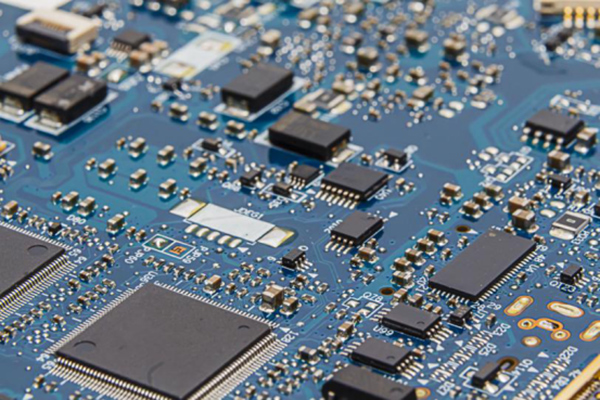
Applications of Quartz Fabric 0.02mm in Electronics
Quartz fabric 0.02mm is widely used across various segments of the electronics industry due to its specialized performance advantages.
Semiconductor Manufacturing
Semiconductor production environments often involve extreme temperatures and highly sensitive processes. Quartz fabric can be used in insulation systems, thermal barriers, and protective components within semiconductor equipment.
Its purity and thermal stability help support precise manufacturing conditions required for advanced semiconductor production.
Consumer Electronics
Modern smartphones, tablets, laptops, and wearable devices require thin, lightweight insulation materials. Quartz fabric helps manufacturers maintain compact product designs while improving thermal protection and electrical safety.
As consumer electronics continue to evolve toward smaller and more powerful devices, advanced insulation materials become increasingly important.
Aerospace and Aviation Electronics
Aerospace electronics must operate reliably under harsh environmental conditions involving temperature fluctuations, vibration, and electromagnetic stress.
Quartz fabric 0.02mm is suitable for aerospace applications because it combines heat resistance, lightweight performance, and electrical insulation within a thin material structure.
Its durability supports long-term reliability in mission-critical electronic systems.
High-Frequency Communication Equipment
Communication systems such as radar devices, satellite systems, and advanced networking equipment generate substantial heat during operation.
Quartz fabric supports thermal management and insulation within these systems while helping maintain stable signal performance.
Its low dielectric characteristics are especially useful in high-frequency electronic environments.
Medical Electronics
Medical devices require highly reliable insulation materials that maintain stability under demanding operating conditions.
Quartz fabric can be used in diagnostic equipment, imaging systems, and precision medical electronics where thermal protection and insulation reliability are essential.
Its material stability contributes to consistent device performance and operational safety.
Benefits of Using Quartz Fabric 0.02mm in Advanced Electronics
As electronic technologies continue advancing, manufacturers increasingly prioritize materials capable of improving efficiency, safety, and product lifespan.
Quartz fabric offers several long-term advantages for advanced electronics manufacturing.
Improved Thermal Management
Efficient heat control is critical for modern electronics. Excess heat can reduce component lifespan and negatively affect device performance.
Quartz fabric helps improve thermal insulation and supports more stable operating temperatures within electronic systems.
Enhanced Equipment Reliability
Stable insulation materials contribute to long-term electronic reliability. Quartz fabric maintains structural and electrical performance under demanding conditions, reducing the likelihood of insulation failure.
This reliability is particularly valuable in industrial electronics, aerospace systems, and precision instrumentation.
Support for Miniaturization
The electronics industry continues moving toward smaller and thinner product designs. Quartz fabric 0.02mm supports this trend by offering high performance within an ultra-thin structure.
Manufacturers can optimize internal space utilization while maintaining insulation effectiveness and thermal protection.
Long Service Life
Quartz fabric demonstrates strong resistance to heat, aging, and chemical exposure. This durability contributes to longer service life and reduced maintenance requirements.
Long-lasting materials help improve production efficiency and lower long-term operational costs.
How to Choose the Best Quartz Fabric 0.02mm
Selecting the right quartz fabric depends on specific application requirements and manufacturing standards.
Important considerations include:
- Thermal resistance range
- Dielectric performance
- Fabric density
- Flexibility requirements
- Material purity
- Dimensional stability
- Operating environment compatibility
Manufacturers often prioritize consistent material quality and stable production standards when sourcing quartz fabric for electronics applications.
Reliable suppliers typically provide technical specifications, quality testing data, and application guidance to support industrial usage.
Future Trends for Quartz Fabric in Electronics
The future of electronics manufacturing will continue demanding materials capable of supporting higher power density, faster processing speeds, and more compact designs.
Quartz fabric 0.02mm is expected to remain important in several emerging technology sectors, including:
- Artificial intelligence hardware
- Electric vehicle electronics
- Advanced semiconductor systems
- 5G and future communication technologies
- Aerospace innovation
- Flexible electronics development
As thermal management challenges become more complex, advanced insulation materials like quartz fabric will play an increasingly valuable role in electronics engineering.
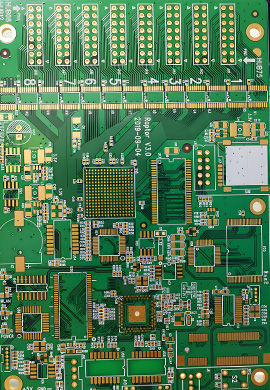
Quartz fabric 0.02mm has become a highly valuable material in the electronics industry because of its exceptional thermal resistance, electrical insulation performance, lightweight structure, and long-term stability.
From semiconductor manufacturing to aerospace electronics and compact consumer devices, this ultra-thin material supports the growing demands of modern electronic technologies.
Manufacturers seeking reliable insulation solutions for advanced electronic applications often choose high-quality quartz fabric to improve thermal management, enhance equipment reliability, and support next-generation product design.
As electronics continue evolving toward greater precision and higher performance, quartz fabric 0.02mm will remain an essential material for innovative and efficient electronic systems.
May-12-2026