


The rapid expansion of 5G technology has placed unprecedented demands on materials used in electronic devices. High-frequency signals, faster data transmission, and compact device architectures require materials that can maintain signal integrity while minimizing loss. Low DF quartz fiber has emerged as a critical solution in this space. With its low dielectric factor, excellent thermal stability, and strong mechanical properties, it plays a vital role in enhancing the performance of modern 5G devices.
What Is Low DF Quartz Fiber
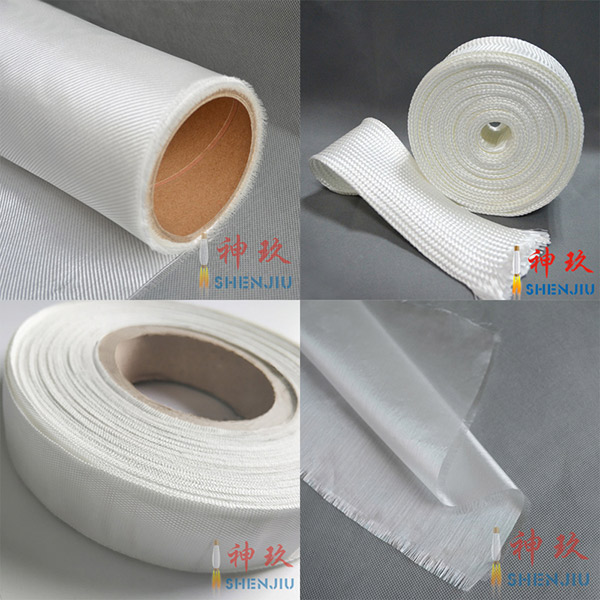
Low DF quartz fiber refers to quartz-based fibers engineered with a low dielectric factor, which measures how much signal energy is lost during transmission. A lower dielectric factor means less signal attenuation, making the material highly suitable for high-frequency applications such as 5G communications.
These fibers are produced from high-purity fused silica and are designed to offer consistent electrical performance. Their structure ensures minimal interference, enabling reliable and efficient signal transmission in advanced electronic systems.
Importance of Low Dielectric Factor in 5G Devices
In 5G devices, signal frequencies are significantly higher than previous generations, which increases the risk of signal loss and interference. Materials with a low dielectric factor help reduce this loss, ensuring that signals remain strong and stable.
Low DF quartz fiber allows engineers to design circuits that support high-speed data transfer without compromising accuracy. This is particularly important in applications such as base stations, antennas, and high-speed communication modules.
Enhancing Signal Integrity in High-Frequency Circuits
One of the most important uses of low DF quartz fiber is in maintaining signal integrity in high-frequency circuits. By minimizing dielectric loss, it ensures that signals are transmitted with minimal distortion.
This leads to improved communication quality, reduced latency, and better overall performance in 5G devices. It also supports the development of more complex and efficient circuit designs.
Applications in 5G Antennas and RF Components
Low DF quartz fiber is widely used in the construction of 5G antennas and radio frequency components. These components require materials that can handle high frequencies while maintaining stable electrical properties.
The fiber’s low signal loss and excellent insulation characteristics make it ideal for these applications. It helps improve antenna efficiency and ensures consistent signal transmission across various operating conditions.
Use in High-Speed PCB Laminates
Printed circuit boards used in 5G devices must support high-speed signal transmission with minimal interference. Low DF quartz fiber is often incorporated into PCB laminates to enhance their electrical performance.
Its low dielectric factor reduces signal delay and energy loss, allowing for faster and more reliable data transfer. This is essential for devices such as smartphones, routers, and communication infrastructure equipment.
Thermal Stability in Compact 5G Devices
5G devices are becoming increasingly compact, which leads to higher heat generation within smaller spaces. Low DF quartz fiber offers excellent thermal stability, helping to manage heat and maintain consistent performance.
Its ability to withstand high temperatures without degradation ensures that devices remain reliable even under continuous operation. This contributes to longer product lifespans and improved user experience.
Mechanical Strength for Durable Design
In addition to its electrical and thermal benefits, low DF quartz fiber provides strong mechanical reinforcement. It enhances the structural integrity of components, making them more resistant to stress and environmental factors.
This durability is particularly important in 5G infrastructure, where equipment must operate reliably in various conditions. The fiber helps maintain performance over time, reducing maintenance requirements.
Supporting Miniaturization and Lightweight Design
Modern 5G devices demand compact and lightweight designs without sacrificing performance. Low DF quartz fiber supports these requirements by offering high strength in a lightweight form.
Its fine structure allows it to be integrated into small and complex designs, enabling the development of sleek and efficient devices. This is especially valuable in portable electronics and wearable technology.
Environmental Stability and Reliability
Low DF quartz fiber is highly resistant to moisture, chemicals, and environmental changes. This stability ensures consistent performance in diverse operating conditions, from indoor electronics to outdoor communication systems.
By maintaining its properties over time, it enhances the reliability of 5G devices and reduces the risk of performance degradation.
Future Trends in 5G Materials
As 5G technology continues to evolve, the demand for advanced materials like low DF quartz fiber is expected to grow. Ongoing research is focused on improving material performance and expanding its applications in next-generation communication systems.
Emerging technologies such as edge computing, smart cities, and autonomous systems will further drive the need for reliable, high-performance materials. Low DF quartz fiber is well-positioned to support these innovations.
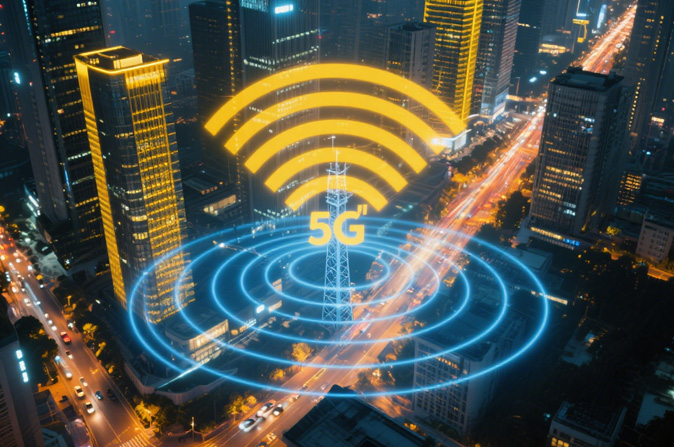
Low DF quartz fiber offers a unique combination of low dielectric loss, thermal stability, mechanical strength, and environmental resistance. These properties make it an essential material in the development of high-performance 5G devices.
From antennas and RF components to high-speed PCBs and compact electronics, its applications are wide-ranging and impactful. As the demand for faster and more reliable communication continues to grow, low DF quartz fiber will remain a key enabler of advanced 5G technology.
Apr-13-2026