


Quartz fiber has long been celebrated in advanced manufacturing and engineering sectors for its exceptional heat resistance, thermal stability, and mechanical strength, making it a staple material in high-temperature environments, aerospace components, and industrial insulation systems. However, the true value of quartz fiber extends far beyond thermal performance: its distinctive dielectric properties position it as a game-changing material for high-frequency communication, electronic packaging, aerospace radar, and 5G/6G communication infrastructure.
As the demand for high-performance electronic materials surges with the advancement of next-generation communication technologies, the limitations of traditional dielectric materials have become increasingly prominent in high-frequency and high-temperature scenarios. Quartz fiber, composed of high-purity amorphous silica, exhibits ultra-stable dielectric performance that outperforms many conventional fiber and polymer materials, maintaining consistent electrical properties even under extreme temperatures, high humidity, and intense mechanical stress. By unlocking the potential of its dielectric properties, quartz fiber is breaking through the constraints of traditional thermal-focused applications and emerging as a core material for cutting-edge electronic and communication industries.
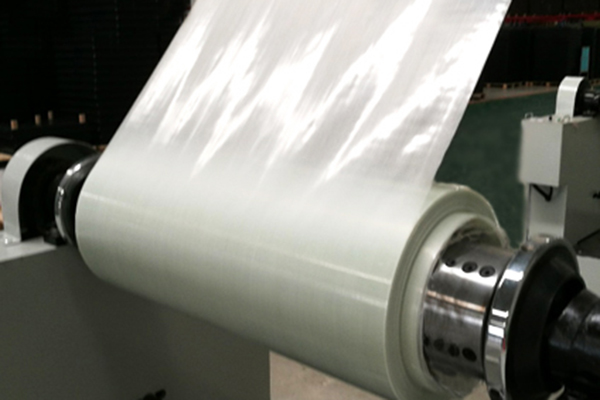
Fundamental Material Science: What Gives Quartz Fiber Its Unique Dielectric Properties
The exceptional dielectric properties of quartz fiber stem from its inherent molecular structure and high-purity raw material composition, distinguishing it from ordinary glass fibers, polymer fibers, and other dielectric materials. Quartz fiber is manufactured from high-purity crystalline silica (SiO₂) with minimal impurity content (typically below 0.001%), eliminating free ions and conductive impurities that would compromise dielectric performance. Its amorphous molecular structure features a dense, stable silicon-oxygen tetrahedral network, which minimizes molecular polarization and energy loss under alternating electric fields, laying the foundation for its low dielectric loss and stable dielectric constant.
Unlike organic dielectric materials that degrade or deform at high temperatures, quartz fiber’s inorganic silicate structure retains its molecular integrity across a wide temperature range (-196°C to 1200°C), ensuring dielectric stability in extreme environments. Additionally, the low moisture absorption rate of quartz fiber (less than 0.01%) prevents water-induced changes in dielectric parameters, a critical advantage for outdoor and aerospace applications where humidity fluctuations are unavoidable. This combination of high purity, stable molecular structure, and low hygroscopicity defines the unique dielectric profile of quartz fiber.
Core Dielectric Indicators of Quartz Fiber and Performance Advantages
To fully understand the value of quartz fiber in electronic and communication applications, it is essential to analyze its core dielectric parameters and how they outperform traditional materials. The first key indicator is the dielectric constant (Dk), a measure of a material’s ability to store electrical energy. Quartz fiber maintains an ultra-low and stable dielectric constant (typically 3.7–3.8) across a wide frequency range (from kHz to GHz), far lower than that of standard glass fibers and most engineering polymers. A low dielectric constant reduces signal delay and impedance mismatch, enabling faster signal transmission in high-frequency circuits.
The second critical indicator is dielectric loss tangent (Df), which reflects energy loss as heat during signal transmission. Quartz fiber boasts an extremely low dielectric loss tangent (below 0.0002 at 1MHz), minimizing signal attenuation and ensuring clear, efficient transmission of high-frequency signals. This low-loss characteristic is indispensable for 5G base stations, satellite communication systems, and radar equipment, where signal integrity directly impacts system performance. Furthermore, quartz fiber’s dielectric properties exhibit negligible frequency dependence, meaning consistent performance from low-frequency industrial controls to high-frequency microwave and millimeter-wave applications, a rarity among dielectric materials.
Practical Engineering Applications of Quartz Fiber Dielectric Properties
The unique dielectric properties of quartz fiber have unlocked a wide range of high-value engineering applications, particularly in sectors requiring both thermal stability and electrical performance. In theaerospace and defense industry, quartz fiber is widely used in radar radomes, satellite antenna substrates, and high-temperature electronic components. Its low dielectric loss and high heat resistance ensure stable signal transmission for aircraft and satellite radar systems, even under extreme aerodynamic heating and cosmic radiation, while maintaining structural integrity in harsh environments.
In 5G/6G communication infrastructure, quartz fiber serves as a core material for high-frequency circuit boards, antenna dielectric layers, and signal transmission lines. Its low Dk/Df values reduce signal latency and loss, addressing the bottlenecks of high-frequency signal attenuation in next-generation communication networks. For automotive electronics, especially electric and autonomous vehicles, quartz fiber-based dielectric materials provide reliable electrical insulation and signal transmission in high-temperature engine compartments and sensitive sensor systems, enhancing the stability and safety of automotive electronics.
Additional applications include high-temperature electronic sensors, microwave communication equipment, and medical electronic devices. In medical electronics, quartz fiber’s non-toxic, inert nature combined with stable dielectric properties makes it ideal for implantable sensors and high-frequency medical imaging equipment, ensuring accurate signal transmission without biological interference. Across these sectors, quartz fiber bridges the gap between thermal resistance and dielectric performance, solving long-standing engineering challenges.
Processing and Optimization of Quartz Fiber for Enhanced Dielectric Performance
To maximize the dielectric potential of quartz fiber, targeted processing techniques and material optimization methods are employed to refine its performance for specific applications. High-purity raw material purification is the foundation: removing trace metal impurities and hydroxyl groups through high-temperature sintering and vacuum treatment further reduces dielectric loss and enhances stability. Surface modification technologies, such as plasma treatment and nano-coating, can fine-tune the dielectric constant without compromising thermal stability, tailoring quartz fiber for specialized high-frequency scenarios.
Composite processing is another key optimization approach: combining quartz fiber with low-loss polymer matrices creates high-performance dielectric composites that retain the fiber’s thermal and electrical advantages while improving processability and mechanical flexibility. These composites are easier to mold into complex shapes for circuit boards and antenna components, expanding the usability of quartz fiber dielectric materials. Strict quality control during drawing and weaving processes also ensures uniform fiber diameter and minimal structural defects, preserving consistent dielectric performance across large batches of material.
Future Development Trends of Quartz Fiber Dielectric Technology
As high-frequency communication and electronic technologies continue to evolve, the development of quartz fiber dielectric technology is moving toward higher purity, wider frequency adaptability, and multi-functional integration. Researchers are focused on developing ultra-low-loss quartz fiber variants with dielectric loss tangent values approaching 0.0001, catering to the demands of 6G and terahertz communication systems. Nano-scale modification technologies will further refine the molecular structure, enabling dynamic adjustment of dielectric properties based on environmental conditions.
The integration of quartz fiber dielectric materials with intelligent manufacturing technologies will also drive innovation, enabling mass production of high-precision dielectric components with consistent performance. Additionally, the expansion of application scenarios will continue, with quartz fiber set to play a pivotal role in wearable high-frequency electronics, aerospace quantum communication systems, and next-generation satellite networks. As material science advances, the dielectric properties of quartz fiber will be further leveraged, solidifying its status as a core material for future high-tech industries.

While quartz fiber is renowned for its unparalleled heat resistance, its unique dielectric properties represent an equally valuable and transformative characteristic that is reshaping advanced electronic and communication industries. With ultra-low dielectric constant, minimal dielectric loss, and exceptional environmental stability, quartz fiber addresses the critical material challenges of high-frequency, high-temperature signal transmission, making it indispensable for aerospace, 5G/6G, automotive electronics, and medical technology. By continuing to explore and optimize its dielectric performance, quartz fiber will remain at the forefront of advanced material innovation, supporting the development of next-generation technologies and driving progress across high-tech engineering sectors.
Mar-23-2026