


The advancement of medical implants has transformed modern healthcare, enabling improved quality of life for patients across a wide range of conditions. As implant technologies evolve, material selection has become a critical factor in ensuring safety, longevity, and biological compatibility. Among emerging materials, ultra-thin quartz fabric has gained attention for its unique combination of biocompatibility, mechanical strength, and stability. This article explores how ultra-thin quartz fabric is shaping the future of advanced medical implants, focusing on its properties, benefits, and real-world applications.
Understanding Ultra-thin Quartz Fabric
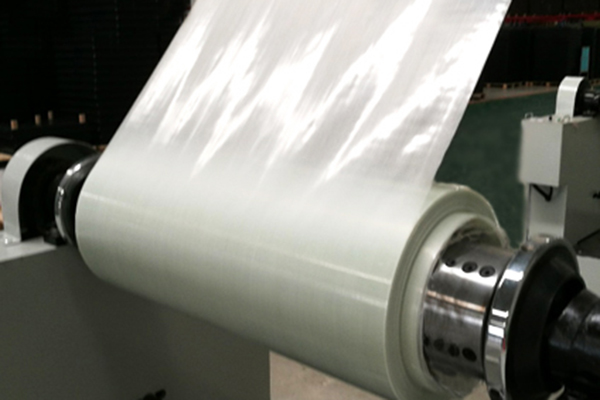
Ultra-thin quartz fabric is a high-performance textile composed of extremely fine, continuous quartz fibers woven into lightweight, flexible sheets. Quartz fibers are derived from high-purity silica, offering exceptional chemical stability and resistance to degradation.
The ultra-thin structure of this fabric allows it to conform to complex geometries while maintaining structural integrity. Its lightweight and flexible characteristics make it particularly suitable for applications where precision and minimal invasiveness are required. These qualities position ultra-thin quartz fabric as a promising material for next-generation implantable devices.
Biocompatibility and Safety Advantages
Biocompatibility is a fundamental requirement for any material used in medical implants. Ultra-thin quartz fabric demonstrates excellent compatibility with biological tissues due to its inert chemical composition. It does not readily react with bodily fluids or release harmful substances, reducing the risk of adverse immune responses.
This stability is essential for long-term implantation, where materials must remain safe and functional over extended periods. Additionally, the smooth fiber surface can be engineered to minimize irritation to surrounding tissues, enhancing patient comfort and reducing complications.
Mechanical Strength and Structural Support
Despite its thin profile, quartz fabric offers remarkable mechanical strength. Its high tensile properties enable it to provide reliable structural support in implant applications without adding significant bulk.
This strength-to-thickness ratio is particularly valuable in devices such as reinforcement meshes, soft tissue supports, and micro-structured implants. By delivering durability in a compact form, ultra-thin quartz fabric supports the development of minimally invasive solutions that maintain high performance.
Thermal and Chemical Stability
Medical implants are often exposed to varying physiological conditions, including temperature fluctuations and chemical environments. Ultra-thin quartz fabric exhibits excellent thermal resistance and chemical stability, ensuring that its properties remain consistent within the human body.
This resistance to degradation helps maintain the integrity of the implant over time, reducing the need for replacement procedures. It also supports sterilization processes, as the material can withstand high temperatures and chemical treatments commonly used in medical environments.
Flexibility and Conformability
Flexibility is a critical factor for implants designed to integrate with dynamic biological systems. Ultra-thin quartz fabric can easily conform to complex anatomical shapes, enabling better integration with surrounding tissues.
This conformability improves implant performance by ensuring consistent contact and reducing mechanical mismatch between the implant and biological structures. As a result, patients may experience improved comfort and more natural movement in applications involving soft tissue or joint support.
Integration with Advanced Medical Technologies
Ultra-thin quartz fabric is highly compatible with advanced manufacturing and medical technologies. It can be combined with polymers, coatings, and bioactive materials to create multifunctional implant systems.
For example, it can serve as a reinforcement layer in composite implants or as a substrate for drug delivery systems. Its compatibility with microfabrication techniques also allows for the development of precision-engineered medical devices tailored to specific clinical needs.
Applications in Modern Medicine
The potential applications of ultra-thin quartz fabric in medical implants are extensive. In orthopedic treatments, it can be used to reinforce soft tissues or support bone repair structures. In cardiovascular applications, it may contribute to the development of durable and flexible implantable components.
Additionally, its use in surgical meshes and minimally invasive devices highlights its versatility. As research continues, new applications are expected to emerge, further expanding its role in medical innovation.
Sustainability and Long-term Performance
Sustainability is becoming increasingly important in medical material selection. Ultra-thin quartz fabric offers long-term performance that reduces the need for frequent replacements, contributing to more sustainable healthcare practices.
Its durability and resistance to degradation ensure that implants remain effective over time, supporting better patient outcomes and reducing the overall burden on healthcare systems.
Future Prospects and Research Directions
Ongoing research is focused on enhancing the functionality of ultra-thin quartz fabric through surface modification and integration with bioactive compounds. These advancements aim to improve tissue integration, promote healing, and expand the range of medical applications.
As technology progresses, the role of quartz-based materials in medical implants is expected to grow, offering new possibilities for personalized and precision medicine.

Ultra-thin quartz fabric represents a promising advancement in the field of medical implant materials. Its combination of biocompatibility, mechanical strength, flexibility, and stability makes it an ideal candidate for a wide range of applications.
By enabling safer, more durable, and minimally invasive implant solutions, this material is contributing to the evolution of modern healthcare. As research and development continue, ultra-thin quartz fabric is poised to play a key role in shaping the future of advanced medical implants.
Mar-30-2026