


With the rapid development of high-speed communication, automotive electronics, aerospace systems, and advanced electronic devices, high frequency copper clad laminate (CCL) materials are facing increasingly demanding performance requirements. Low dielectric properties, signal stability, dimensional control, and reliable electrical performance have become important factors when selecting CCL materials.
Quartz cloth plays an important role in high frequency CCL manufacturing because it provides reinforcement while maintaining excellent electrical characteristics. However, choosing the correct quartz cloth weave type is not simply a material selection decision. Different high frequency CCL structures, frequency ranges, and application requirements may require different weave patterns to achieve better performance.
For CCL manufacturers and material engineers, understanding how to match quartz cloth weave types with specific high frequency CCL requirements can help improve product design, optimize manufacturing processes, and create more stable final products.
Why Quartz Cloth Weave Type Matters in High Frequency CCL
In high frequency circuit applications, signal transmission performance can be influenced by the internal structure of the laminate material. The reinforcement fabric inside CCL affects resin distribution, dielectric consistency, mechanical strength, and overall material stability.
Quartz cloth is valued for its high purity, excellent thermal stability, and low dielectric characteristics. These advantages make it suitable for applications where signal loss control and electrical reliability are important.
Different weave structures create different fiber arrangements. The density, thickness, and distribution of quartz fibers can influence resin penetration and the uniformity of the final laminate. Therefore, selecting the proper weave type helps manufacturers achieve better balance between electrical performance and mechanical requirements.
For example, applications requiring highly stable signal transmission may focus more on dielectric uniformity, while structural applications may place greater importance on reinforcement strength and dimensional stability.
Matching Plain Weave Quartz Cloth with High Frequency CCL Needs
Plain weave quartz cloth is one of the commonly used structures in high frequency CCL applications. Its simple interlacing pattern creates a balanced fabric structure with good dimensional stability.
This weave type is suitable for CCL materials that require consistent thickness control and reliable mechanical reinforcement. The evenly distributed warp and weft fibers help maintain a stable structure during laminate processing.
For high frequency circuit boards used in communication equipment, precision electronic devices, and signal control systems, plain weave quartz cloth can provide a practical reinforcement solution. It supports stable processing while helping maintain the electrical characteristics required for high performance applications.
When selecting plain weave quartz cloth, manufacturers should consider factors such as cloth thickness, fiber density, resin compatibility, and final laminate design requirements.
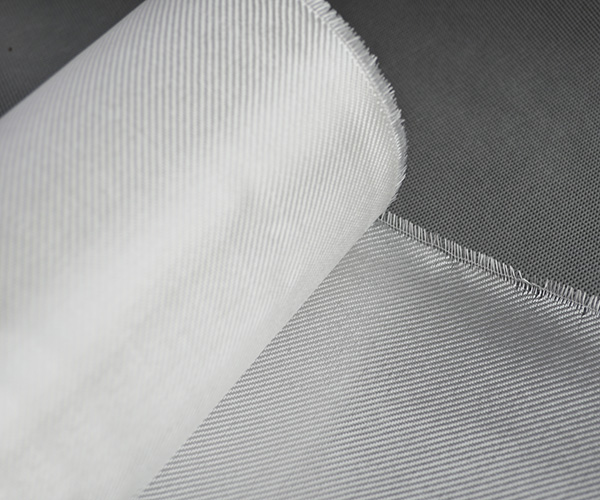
Selecting Suitable Weave Structures for Advanced High Frequency Performance
As electronic systems continue to increase in speed and complexity, CCL manufacturers often require materials with improved dielectric consistency and lower signal transmission interference.
Different quartz cloth weave structures can provide different advantages depending on the application. A finer and more uniform fiber arrangement may be preferred for designs requiring better dielectric control and signal integrity.
High frequency CCL applications used in advanced communication systems, radar equipment, and high-speed electronic devices often require careful material matching. Engineers need to evaluate the relationship between quartz cloth structure, resin system, copper foil design, and overall laminate performance.
Rather than selecting quartz cloth based only on basic specifications, manufacturers should consider the complete material system. The right combination of quartz fabric and resin technology can help achieve more predictable performance during production and application.
Considering Thickness and Fiber Distribution When Choosing Quartz Cloth
Besides weave type, quartz cloth thickness and fiber distribution are also important factors in CCL manufacturing.
A thinner quartz cloth structure may help achieve better control of dielectric thickness and support compact circuit designs. Meanwhile, thicker structures may provide stronger mechanical reinforcement for applications requiring higher structural stability.
Fiber distribution affects how resin flows through the fabric during lamination. A suitable quartz cloth structure allows more consistent resin absorption, helping improve laminate uniformity.
For CCL producers, evaluating these characteristics before production can reduce material matching challenges and improve final product consistency.
Professional Quartz Cloth Solutions for CCL Manufacturers
Choosing a reliable quartz cloth supplier is an important step for manufacturers producing high frequency CCL materials. Suppliers with professional material knowledge can help customers select suitable quartz cloth specifications according to application requirements.
SHENJIU specializes in quartz fiber products and provides professional quartz cloth solutions for industrial applications, including high performance composite materials and electronic material fields. With expertise in quartz fiber manufacturing, SHENJIU supports customers in selecting suitable quartz cloth structures, thickness options, and material specifications according to different production requirements.
For CCL manufacturers, cooperation with an experienced quartz material supplier can improve material selection efficiency and provide stronger support for product development. Professional technical communication helps ensure that quartz cloth characteristics match the intended CCL design.
Improving High Frequency CCL Performance Through Proper Material Selection
The performance of high frequency CCL depends on many factors, and quartz cloth selection is an important part of the overall material system. Matching the correct weave type with application requirements allows manufacturers to better balance electrical performance, mechanical stability, and processing requirements.
Before selecting quartz cloth, engineers should evaluate the target frequency range, laminate structure, resin system, thickness requirements, and final application environment. This approach helps create more suitable material combinations.
For manufacturers developing high frequency CCL products, working with a knowledgeable quartz cloth supplier can provide valuable support during material evaluation and product optimization.
Quartz cloth is not only a reinforcement material but also an important factor influencing the performance of advanced CCL products. By understanding weave characteristics and matching them with specific high frequency applications, manufacturers can develop more reliable and efficient electronic materials for modern technology industries.
Jul-15-2026