


Thermal processing units are widely used in laboratories, manufacturing facilities, research environments, and industrial production. Furnaces, heating chambers, thermal test equipment, and high temperature processing systems all require suitable insulation to manage heat effectively.
The insulation material selected for these systems can influence thermal efficiency, equipment temperature stability, energy consumption, and the safety of surrounding components. For equipment manufacturers and industrial users, choosing an insulation material is therefore not simply a material purchasing decision. It is part of the overall thermal management strategy.
Coarse quartz wool is a practical option for applications that require thermal insulation and resistance to elevated temperatures. Its fibrous structure provides a useful way to create insulating layers around selected areas of thermal processing equipment while allowing engineers flexibility when designing insulation systems.
Why Coarse Quartz Wool Can Be Cost Effective
Cost effectiveness in industrial insulation is not determined only by the purchase price of the material. Buyers should also consider thermal performance, material utilization, installation requirements, service conditions, and compatibility with the equipment design.
Coarse quartz wool can be useful where a lightweight fibrous insulation material is required. Its structure can create spaces that limit heat transfer, helping reduce the amount of heat moving from high temperature zones toward surrounding components.
For thermal processing equipment, this can support more controlled temperature management and help reduce unnecessary heat loss. When the insulation is properly selected and integrated into the equipment, manufacturers can achieve a practical balance between material cost and thermal performance.
Suitable for Different Thermal Processing Equipment
Thermal processing systems come in many forms, so insulation requirements can vary considerably. A laboratory furnace may have different requirements from an industrial heating chamber, while thermal testing equipment may require a specific insulation arrangement around a test area.
Coarse quartz wool can be considered for insulation applications around furnace structures, heating chambers, thermal processing equipment, high temperature test fixtures, and other systems where quartz based insulation is appropriate.
Its fibrous nature can also provide flexibility when insulation needs to follow a particular equipment structure. This can be useful when engineers are working with irregular spaces or areas where rigid insulation materials are less convenient to integrate.
Supporting Better Thermal Management
Good insulation does more than simply surround a heating element. It forms part of the thermal management system that controls how heat moves through equipment.
When suitable insulation is positioned around a high temperature processing zone, it can help limit heat transfer toward external structures. This can support more efficient use of thermal energy and help maintain a more stable internal environment.
For equipment manufacturers, thermal stability can be especially important when processing conditions need to remain within defined temperature ranges. Consistent insulation characteristics can therefore contribute to more predictable equipment operation.
The correct insulation thickness, density, placement, and structural arrangement should always be determined according to the specific equipment design and operating conditions.
Flexibility Can Simplify Equipment Design
One practical advantage of fibrous insulation is its adaptability. Thermal processing equipment may contain corners, curved sections, gaps, or complex internal structures that require insulation to fit into specific spaces.
Coarse quartz wool can be incorporated into different insulation configurations depending on the engineering requirements. This flexibility can help manufacturers develop insulation layouts around the actual equipment structure instead of relying on a single rigid format.
For custom equipment manufacturers, this can be particularly useful when developing specialized furnaces, thermal chambers, or laboratory equipment where every internal dimension matters.
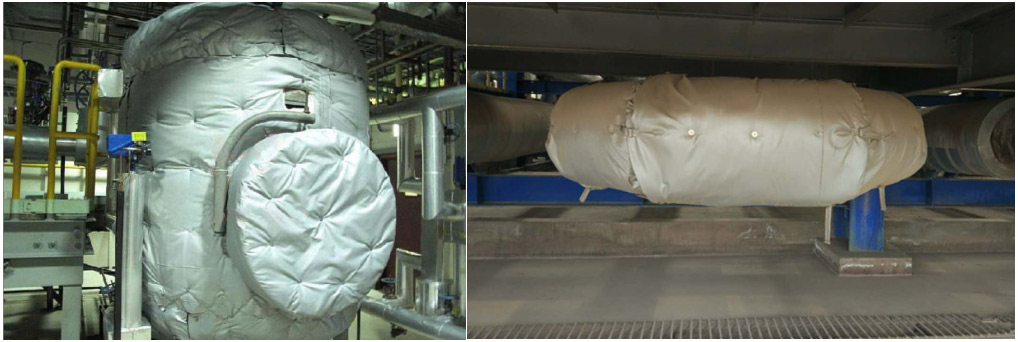
Material Selection Should Match the Application
Choosing quartz wool should begin with the actual operating environment. Buyers should consider the expected temperature range, insulation location, equipment structure, required thickness, fiber characteristics, and installation method.
It is also important to understand how the insulation will interact with other materials inside the equipment. Thermal expansion, airflow, mechanical positioning, and accessibility can all influence the final insulation design.
A material that performs well in one thermal processing application may require a different specification in another. Therefore, technical communication between the equipment manufacturer and insulation supplier is valuable before placing a production order.
Why Supplier Expertise Matters
For industrial buyers, product specifications are only one part of the purchasing decision. Supplier experience in quartz fiber materials can also make a difference when a project requires specific material characteristics or customized solutions.
SHENJIU is a specialized supplier of quartz fiber products and related high temperature insulation materials. Its product experience allows customers to discuss material selection according to actual application requirements rather than choosing solely from generic specifications.
For equipment manufacturers and industrial users, communicating details such as operating temperature, insulation dimensions, required material form, application environment, and expected production volume can help SHENJIU provide a more suitable material recommendation.
Consider Quality and Consistency in Bulk Purchasing
When thermal processing equipment is manufactured in batches, insulation material consistency becomes an important consideration. Differences in material structure, dimensions, or specifications can make it more difficult to maintain consistent assembly and thermal performance across equipment units.
B2B buyers should therefore confirm product specifications before purchasing in volume. Clear communication regarding material type, dimensions, packaging, and application requirements can help establish a more consistent procurement process.
For manufacturers producing multiple units of similar equipment, maintaining standardized insulation specifications can also simplify assembly procedures and material inventory management.
Practical Considerations Before Ordering
Before purchasing coarse quartz wool for a thermal processing project, buyers should prepare the key technical information.
This may include the equipment type, operating temperature, insulation location, required thickness, dimensions, expected quantity, installation method, and any specific performance requirements.
Providing accurate information allows the supplier to understand the actual application and helps avoid selecting material based only on a general product description.
For larger industrial projects, it is also useful to confirm packaging and delivery requirements in advance so that the insulation material can be integrated efficiently into the manufacturing process.
Building a More Efficient Thermal Processing System
Insulation is a relatively small component compared with the complete thermal processing system, but its role can influence overall equipment performance. Properly selected quartz wool can help manage heat transfer, support temperature control, and provide flexible insulation options for different equipment structures.
Coarse quartz wool can be a practical choice for manufacturers seeking a balance between material efficiency, adaptability, and thermal insulation requirements.
For companies developing or manufacturing thermal processing equipment, SHENJIU provides a professional source for quartz fiber and quartz wool materials. By discussing the actual operating conditions and technical requirements with the supplier, buyers can make a more informed material selection and develop an insulation solution that fits the equipment design.
Selecting insulation for thermal processing units requires more than choosing a material based on its basic thermal properties. The actual equipment structure, operating conditions, insulation arrangement, production volume, and purchasing requirements all deserve consideration.
Coarse quartz wool offers a flexible insulation option for suitable high temperature applications. Its fibrous structure can adapt to different equipment configurations while supporting practical thermal management.
For industrial buyers, the most effective approach is to define the application requirements first and then work with a specialized supplier to confirm the appropriate material specification. With its experience in quartz fiber materials, SHENJIU can support manufacturers and industrial users in developing practical quartz wool insulation solutions for thermal processing applications.
Sep-09-2026