


In industries where extreme temperatures are a constant challenge, selecting the right insulation material is essential for operational efficiency and safety. Coarse quartz wool has become a trusted solution for high heat environments due to its outstanding thermal resistance, chemical stability, and durability. Manufactured from high-purity silica, this material is engineered to perform reliably under conditions where many conventional materials degrade or fail.
What Is Coarse Quartz Wool
Coarse quartz wool is a fibrous insulation material derived from high-purity quartz, primarily composed of silicon dioxide. Compared to finer quartz fibers, it features larger fiber diameters, which enhance structural strength and resistance to mechanical stress.
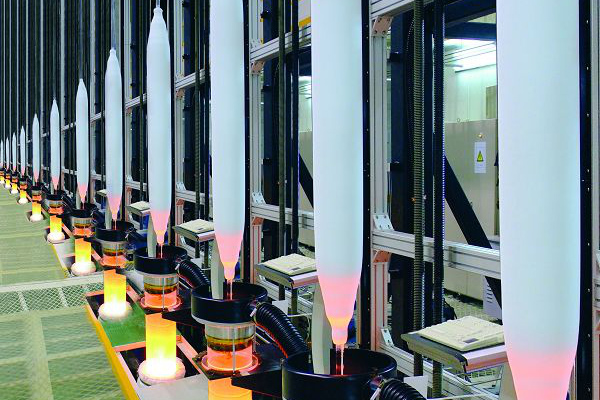
The manufacturing process involves melting quartz at extremely high temperatures and drawing it into fibers. These fibers are then processed into a wool-like form that offers flexibility and ease of application. Its unique composition allows it to maintain stability in environments characterized by intense heat and rapid temperature changes.
Key Properties of Coarse Quartz Wool
Exceptional High Temperature Resistance
Coarse quartz wool can withstand continuous exposure to temperatures above 1000°C without losing its structural integrity. This makes it highly suitable for furnaces, kilns, and other thermal processing systems.
Low Thermal Conductivity
The fibrous structure of coarse quartz wool traps air within its matrix, significantly reducing heat transfer. This helps maintain consistent internal temperatures and improves energy efficiency in industrial processes.
Outstanding Chemical Stability
Quartz is naturally resistant to most chemicals, except hydrofluoric acid. This property ensures that coarse quartz wool performs reliably in chemically aggressive environments, such as processing plants and refineries.
Strong Thermal Shock Resistance
Unlike many traditional materials, coarse quartz wool can endure rapid heating and cooling cycles without cracking or degrading. This makes it ideal for applications involving fluctuating temperatures.
Enhanced Mechanical Strength
The larger fiber diameter contributes to improved durability and resistance to breakage during handling and installation. This ensures long-term reliability in demanding environments.
Applications in High Heat Environments
Industrial Furnaces and Kilns
Coarse quartz wool is widely used for insulating high-temperature furnaces and kilns. Its ability to retain heat enhances process efficiency and reduces energy consumption.
Aerospace and High Performance Engineering
In aerospace and advanced engineering sectors, materials must withstand extreme thermal and mechanical stress. Coarse quartz wool is used in thermal protection systems, insulation layers, and heat shielding components.
Metallurgical Operations
Processes such as metal smelting and casting require materials that can tolerate molten metal temperatures. Coarse quartz wool provides effective insulation for crucibles, ladles, and other high-temperature equipment.
Petrochemical Facilities
In petrochemical environments, equipment is exposed to both high heat and corrosive substances. Coarse quartz wool offers a combination of thermal insulation and chemical resistance, making it a dependable choice.
Power Generation Systems
Power plants rely on efficient heat management systems. Coarse quartz wool is used to insulate boilers, turbines, and exhaust systems, improving safety and operational efficiency.
Advantages Over Traditional Insulation Materials
Superior Purity and Stability
Coarse quartz wool is made from high-purity silica, resulting in better thermal stability compared to conventional materials such as glass wool or mineral wool.
Long Service Life
Its resistance to heat, chemical exposure, and mechanical stress contributes to an extended lifespan. This reduces maintenance requirements and overall operational costs.
Lightweight and Flexible Structure
Despite its strength, coarse quartz wool remains lightweight and adaptable. This simplifies installation, especially in complex industrial systems.
Environmentally Responsible Material
Quartz is a naturally abundant resource, and its processing does not require harmful additives. This makes coarse quartz wool a sustainable choice for modern industries.
Installation and Handling Considerations
To achieve optimal performance, coarse quartz wool must be installed correctly. Ensuring a tight fit without gaps is essential to prevent heat loss. Workers should use appropriate protective equipment during installation to avoid irritation from fiber particles.
Selecting the correct density and thickness based on operating conditions is also critical. Consulting technical specifications or industry experts can help ensure the best results.
Future Development Trends
As industrial technologies evolve, the demand for high-performance insulation materials continues to grow. Coarse quartz wool is expected to benefit from advancements in fiber processing techniques, leading to improved consistency and enhanced performance.
Future innovations may include the integration of quartz wool into composite systems, enabling multifunctional materials that provide thermal insulation, structural support, and electrical insulation simultaneously.
Coarse quartz wool has established itself as a highly effective solution for high heat environments. Its combination of thermal resistance, chemical stability, and mechanical durability makes it indispensable across multiple industries.
By choosing high-quality coarse quartz wool, organizations can improve energy efficiency, enhance safety, and reduce long-term costs. As material science continues to advance, its role in high-temperature applications will only become more significant.
Apr-28-2026