


Coarse quartz wool is an advanced high-temperature insulation material widely used in industrial thermal systems. Known for its exceptional heat resistance, chemical stability, and durability, it plays a critical role in maintaining efficiency and safety in demanding environments. Industries such as metallurgy, petrochemicals, power generation, and advanced manufacturing rely on this material to manage extreme temperatures and reduce energy loss.
What Is Coarse Quartz Wool
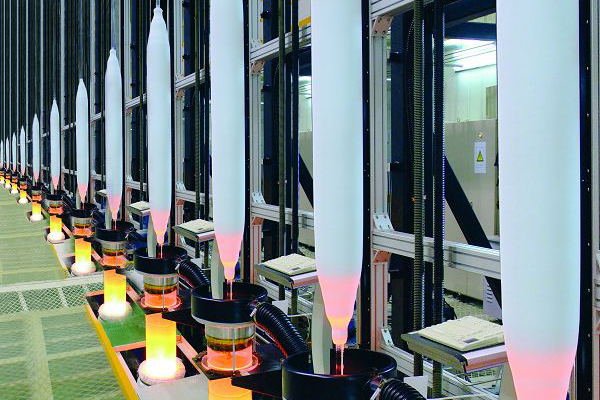
Coarse quartz wool is a fibrous insulation material made from high-purity silica. It is produced by melting quartz and spinning it into coarse fibers, which are then processed into mats, blankets, or loose-fill insulation. The coarse fiber structure enhances mechanical strength and thermal performance, making it suitable for high-intensity industrial applications.
Unlike traditional insulation materials, quartz wool maintains its structure and performance at extremely high temperatures. Its non-combustible nature and low thermal conductivity make it an ideal choice for environments where safety and efficiency are critical.
Key Properties and Performance Advantages
One of the defining characteristics of coarse quartz wool is its ability to withstand extremely high temperatures, often exceeding 1000°C. This makes it suitable for applications where conventional insulation materials would fail.
Another important property is low thermal conductivity. This helps reduce heat transfer, improving energy efficiency and maintaining stable operating conditions. The material also exhibits excellent resistance to thermal shock, meaning it can handle rapid temperature changes without cracking or degrading.
In addition, coarse quartz wool is chemically inert, resisting corrosion from acids, alkalis, and other harsh substances. This durability ensures long service life and reduces maintenance costs in industrial environments.
Role in Industrial Thermal Systems
Industrial thermal systems require precise temperature control and efficient heat management. Coarse quartz wool plays a key role in achieving these goals by acting as a reliable insulation barrier.
In furnaces, kilns, and reactors, it helps retain heat within the system, reducing energy consumption and improving process efficiency. By minimizing heat loss, it also contributes to more consistent operating conditions, which is essential for product quality in manufacturing processes.
Furthermore, its high-temperature resistance enhances safety by preventing heat from escaping to surrounding structures, reducing the risk of damage or accidents.
Applications Across Industries
Coarse quartz wool is used in a wide range of industrial applications. In the metallurgy sector, it is commonly used to insulate furnaces and casting equipment. In petrochemical plants, it helps maintain temperature stability in pipelines and processing units.
The power generation industry uses quartz wool in boilers and turbines to improve efficiency and protect critical components. In advanced manufacturing, it is applied in high-temperature processing equipment where precision and stability are essential.
Its versatility makes it a preferred material for industries that operate under extreme thermal conditions.
Installation and Handling Considerations
Proper installation is essential to maximize the performance of coarse quartz wool. The material should be installed evenly to avoid gaps that could lead to heat loss. Depending on the application, it may be used as a blanket, board, or loose-fill insulation.
Handling should be done with care to maintain fiber integrity. Protective equipment is recommended during installation to ensure worker safety. Ensuring correct thickness and density is also important for achieving optimal insulation performance.
Working with experienced technicians or following manufacturer guidelines can significantly improve installation outcomes.
Energy Efficiency and Cost Benefits
One of the major advantages of using coarse quartz wool is its contribution to energy efficiency. By reducing heat loss, it lowers energy consumption and operational costs.
Although the initial investment may be higher compared to some conventional materials, the long-term savings often outweigh the upfront cost. Reduced maintenance, longer service life, and improved system performance all contribute to a favorable return on investment.
For industries aiming to optimize energy use and reduce environmental impact, quartz wool is a strategic choice.
Environmental and Safety Considerations
Coarse quartz wool supports sustainability efforts by improving energy efficiency and reducing emissions. Its durability means less frequent replacement, which minimizes waste.
The material is non-combustible, enhancing fire safety in industrial settings. Its chemical stability also ensures that it does not release harmful substances under high temperatures.
Proper handling and disposal practices should still be followed to maintain environmental and workplace safety standards.
Comparison with Other Insulation Materials
While there are many insulation materials available, coarse quartz wool stands out for its performance in extreme conditions. Materials such as fiberglass or mineral wool may be suitable for lower temperature applications, but they often cannot match the high-temperature resistance of quartz wool.
Its ability to maintain structural integrity and insulation performance under intense heat gives it a distinct advantage in specialized industrial applications.
Choosing the right material depends on specific operational requirements, but quartz wool is often preferred for high-performance systems.
Future Trends and Innovations
Advancements in material science are driving continuous improvements in quartz wool technology. New manufacturing techniques are enhancing fiber consistency, strength, and thermal efficiency.
There is also a growing focus on sustainability, with efforts to optimize production processes and reduce environmental impact. As industries move toward more energy-efficient systems, the demand for high-performance insulation materials like coarse quartz wool is expected to increase.
Integration with smart monitoring systems may further enhance its effectiveness by enabling real-time performance tracking.
Coarse quartz wool is a critical component in modern industrial thermal systems, offering exceptional heat resistance, durability, and energy efficiency. Its ability to perform under extreme conditions makes it indispensable across a wide range of industries.
By understanding its properties, applications, and installation requirements, businesses can make informed decisions that improve operational efficiency and safety. As technology continues to evolve, coarse quartz wool will remain a key material in advancing industrial performance and sustainability.
Apr-30-2026