


Industrial thermal processing demands insulation materials that can withstand continuous high temperatures without structural degradation. Facilities operating high temperature furnaces, semiconductor reaction chambers, and chemical reactors require thermal barriers that maintain chemical stability and mechanical integrity over long service cycles. Coarse quartz wool has become a dependable choice for thermal management engineers seeking consistent high temperature performance.
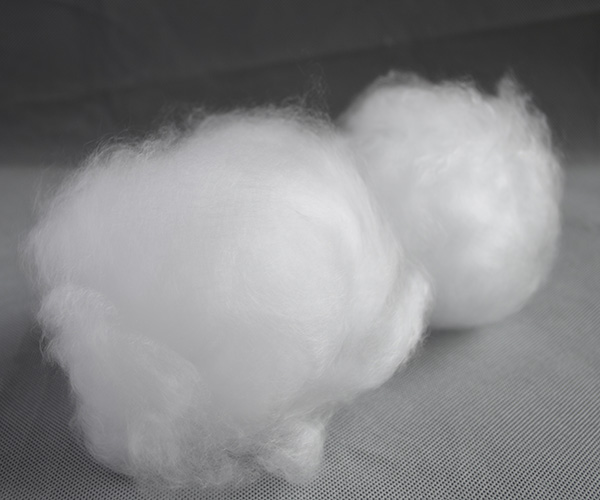
Coarse quartz wool consists of high purity silica fibers designed to form a flexible, porous mass. The material provides effective thermal insulation while enduring extreme thermal environments, making it suitable for demanding industrial applications.
Material Characteristics and Thermal Properties
Coarse quartz wool features high silicon dioxide content, typically exceeding 99.9 percent. This high chemical purity prevents phase changes and devitrification under elevated operating temperatures. The coarse fiber diameter gives the material structural body and resilience, preventing compacting or settling under vibration and repeated thermal cycling.
Key performance characteristics of coarse quartz wool include:
-
High Temperature Endurance: Maintains structural integrity and insulating performance at continuous operating temperatures up to 1050 degrees Celsius, with short term tolerance reaching higher limits.
-
Chemical Inertness: Resists attack from most acids, halogens, and corrosive gas environments commonly present in high temperature reaction chambers.
-
Low Thermal Conductivity: The high fiber aspect ratio creates stagnant air pockets that restrict convective and conductive heat transfer.
-
Thermal Shock Resistance: Displays minimal thermal expansion, eliminating cracking or structural fracture during rapid heating and cooling sequences.
-
Low Trace Element Impurities: Low levels of metal ions prevent contamination in sensitive processes like semiconductor crystal growth and chemical synthesis.
Practical Industrial Applications
Thermal engineers select coarse quartz wool for applications where standard glass fibers or lower grade mineral wools fail. Its mechanical strength and high purity suit several demanding operational scenarios.
In furnace manufacturing, coarse quartz wool serves as primary or secondary lining insulation. It fills expansion joints, seals burner blocks, and packs tight cavities around heating elements. The resilience of coarse fibers prevents sagging over extended operating periods, ensuring uniform insulation across furnace walls.
Semiconductor processing relies heavily on quartz wool materials. Diffusion furnaces, chemical vapor deposition reactors, and wafer processing chambers require insulation materials that do not emit volatile particulate matter or metallic impurities at high temperatures. Coarse quartz wool acts as a clean heat shield and gas filtration plug within quartz tube reactors.
Chemical and petrochemical facilities utilize coarse quartz wool as catalyst bed support packing and tube reactor insulation. Its resistance to acidic environments ensures stable process conditions without chemical degradation of the packing medium.
| Industrial Sector | Typical Application | Key Performance Benefit |
| Semiconductor Manufacturing | Tube reactor plugs and thermal zone baffles | Zero metallic contamination and clean thermal barrier |
| High Temperature Furnaces | Expansion joint packing and door seal insulation | Resilient fiber structure that resists sagging |
| Chemical Processing | Catalyst support and high heat filtration | Exceptional acid resistance and chemical stability |
| Analytical Testing | Combustion tube packing and quartz furnace plugs | Consistent fiber bulk density and high thermal tolerance |
Key Selection Factors for Operations Teams
Evaluating high temperature lining materials requires matching material specifications to specific process parameters. Operations personnel should consider several key factors when selecting coarse quartz wool:
-
Operating Temperature Profile: Verify that peak operating conditions remain within continuous exposure limits to prevent fiber devitrification over prolonged periods.
-
Packing Density Requirements: The resilience of coarse fibers allows engineers to achieve specific bulk densities depending on whether the application prioritizes low weight insulation or mechanical support.
-
Purity Grade Specifications: Applications in semiconductor processing and optical fiber manufacturing require verified purity documentation to ensure process yield stability.
-
Handling and Installation Characteristics: Coarse quartz wool fibers offer sufficient handling strength to facilitate packing into complex cavity shapes without excessive fiber breakage.
Reliable Supply Solutions with SHENJIU
Sourcing high purity quartz fiber products requires partnering with manufacturers capable of maintaining strict purity control and consistent fiber dimensions. For organizations seeking reliable material supply, SHENJIU offers high quality coarse quartz wool manufactured under controlled production standards.
SHENJIU provides coarse quartz wool solutions designed for demanding high heat linings and technical applications. Their manufacturing process emphasizes uniform fiber diameter distribution, low impurity content, and stable bulk density. Whether supporting laboratory furnace builds or large scale industrial thermal equipment installations, SHENJIU delivers dependable quartz fiber products tailored to operational requirements.
Sep-18-2026