


Coarse quartz wool is used in insulation applications where thermal stability, material consistency, and long service life are important. Unlike ordinary insulation materials that may be selected mainly according to initial cost, quartz wool is often considered when the working environment requires stable performance over extended periods.
For engineers and purchasing teams, choosing an insulation material involves more than checking its temperature rating. Fibre structure, purity, thickness, installation method, mechanical stability, and compatibility with the surrounding components can all affect the final result. Understanding these factors can help users select coarse quartz wool more effectively for demanding thermal protection applications.
Why fibre structure matters in long term insulation
The fibre structure of an insulation material directly influences how it performs during repeated heating and cooling cycles. A stable structure can help the material maintain its basic form and insulation function over an extended service period.
This is particularly useful in equipment that experiences continuous operation or frequent temperature changes. If the insulation layer changes significantly during service, gaps can develop and the thermal protection system may become less consistent.
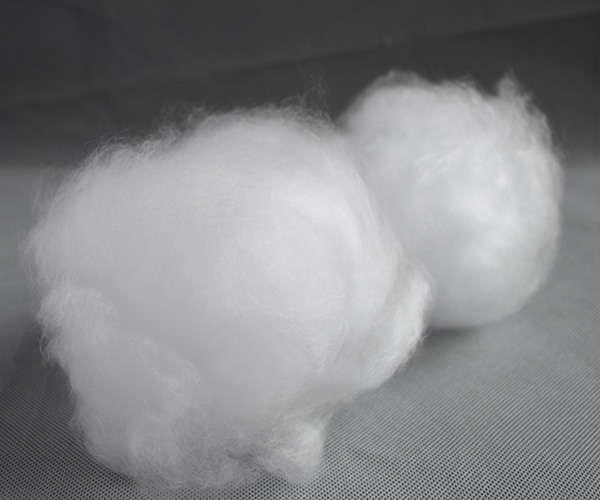
Coarse quartz wool has a fibrous structure that can be suitable for applications where thermal insulation and structural stability are both important. The actual performance still depends on fibre quality, manufacturing process, density, installation conditions, and operating environment.
When selecting the material, users should therefore consider the complete working condition rather than choosing solely according to the nominal temperature requirement.
Where coarse quartz wool can be useful
Coarse quartz wool can be considered for thermal insulation and heat protection applications in aerospace equipment, industrial heating systems, high temperature components, laboratory equipment, and specialized thermal management systems.
In aerospace related applications, insulation materials may need to operate within limited space while maintaining predictable thermal performance. Fibre based materials can provide flexibility for designing insulation layers around complex components.
In industrial equipment, quartz wool can be used where thermal protection is required around hot components, pipes, chambers, or other equipment structures.
The correct material specification depends on the operating temperature, exposure conditions, required thickness, mechanical environment, and installation method. A material suitable for one application should not automatically be assumed to be suitable for another.
Thermal stability should match the actual working condition
One of the first questions buyers should ask is how the insulation will perform at the actual operating temperature.
The maximum temperature of a material listed in a specification sheet is not necessarily the same as the recommended continuous operating condition for every application. Users should consider continuous temperature, short term temperature peaks, heating and cooling cycles, and the surrounding atmosphere.
For example, equipment operating continuously at an elevated temperature may place different demands on insulation compared with equipment that only experiences short temperature peaks.
A practical material selection process should therefore start with a temperature profile rather than a single maximum temperature number.
Purity can be important for specialized applications
The chemical composition of quartz wool can affect its suitability for different applications. Higher purity materials may be preferred where contamination control, thermal stability, or compatibility with sensitive components is important.
This consideration can become more important in aerospace, electronics, laboratory, and specialized industrial environments.
When purchasing coarse quartz wool, buyers can request information about material composition, fibre characteristics, and relevant quality documentation. If the insulation will operate in a sensitive environment, it is also useful to confirm whether the material meets the project’s specific cleanliness and compatibility requirements.
Thickness and density should be selected together
A thicker insulation layer does not automatically provide the best solution.
The required thickness depends on the target thermal performance, available installation space, operating temperature, heat transfer conditions, and equipment design.
Density also influences the physical characteristics of the insulation. A suitable balance between thermal performance, handling characteristics, mechanical stability, and installation requirements is often more useful than simply selecting the thickest available material.
For engineering projects, it is better to determine the required insulation performance first and then select the appropriate thickness and material structure.
Consider repeated thermal cycling
Long term insulation service can involve repeated expansion and contraction caused by changes in temperature. This is particularly relevant for industrial equipment that starts and stops frequently.
When evaluating coarse quartz wool, users should consider whether the fibre structure can remain suitable under the expected thermal cycling conditions.
The installation design is equally important. Compression, movement, vibration, fastening methods, and contact with adjacent components can influence the service performance of the insulation layer.
A good material choice should therefore be combined with an appropriate installation method.
Installation affects insulation performance
Even a suitable insulation material may not deliver the expected result if it is installed incorrectly.
Gaps between insulation sections can create local heat transfer paths. Excessive compression can change the material structure, while insufficient support may allow movement during equipment operation.
Before installation, users should determine how the quartz wool will be cut, positioned, secured, and protected from the surrounding environment.
For complex equipment, it can be useful to prepare the insulation geometry according to the actual component dimensions. This can reduce unnecessary gaps and make installation more consistent.
What buyers should check before placing an order
When purchasing coarse quartz wool, buyers should provide more information than just the product name.
Important requirements can include fibre type, purity, thickness, density, dimensions, operating temperature, thermal performance requirements, packaging, and expected quantity.
The application should also be explained when possible. A supplier can evaluate the material more effectively when it understands whether the quartz wool will be used for aerospace thermal protection, industrial insulation, laboratory equipment, or another specialized application.
For repeat orders, buyers should also maintain consistent product specifications. This helps reduce variation between different production batches and makes material management easier.
Choosing a quartz material supplier
For buyers who need coarse quartz wool for specialized insulation applications, SHENJIU can be considered as a supplier of quartz based materials and related products.
When contacting a supplier, it is useful to provide the intended application, operating temperature, required thickness, density requirements, dimensions, expected quantity, and any special purity or performance requirements.
This information allows the supplier to understand the actual project conditions rather than simply matching a product name.
For engineering teams working on long term insulation projects, clear communication at the quotation stage can also help identify whether the material is suitable for the intended environment and whether additional technical information is required.
Making a practical material selection
Coarse quartz wool can be a useful option when a project requires a fibrous insulation material with a stable structure and good thermal stability.
However, material selection should always be based on actual working conditions. Temperature, thermal cycling, purity, density, thickness, installation space, mechanical conditions, and surrounding materials all deserve consideration.
For long term insulation service, the goal is not simply to select a material with a high temperature specification. The more practical approach is to match the fibre structure and material characteristics with the actual requirements of the equipment.
By preparing complete technical information and discussing the application with an experienced supplier such as SHENJIU, buyers can make the material selection process more precise and establish a more consistent foundation for long term insulation performance.
Sep-21-2026