


Quartz fiber yarn is used in many industrial products where ordinary textile fibers cannot provide the required combination of thermal stability, electrical insulation, chemical resistance, and mechanical performance. Made from high purity quartz material, quartz fiber yarn can be processed into woven, braided, knitted, or composite structures according to the requirements of the final application.
For manufacturers, choosing the right quartz fiber yarn is not simply about selecting a high performance raw material. The yarn must also match the intended production process and final product structure. Yarn diameter, filament configuration, purity, tensile properties, thermal characteristics, surface treatment, and compatibility with subsequent processing can all influence the performance of the finished product.
This is why quartz fiber yarn is often considered at the beginning of product development rather than being treated as a standard textile material. When the material specification is correctly matched with the final application, it can contribute to product reliability and consistent manufacturing.
Quartz Fiber Cloth and Woven Fabrics
One of the most common products manufactured from quartz fiber yarn is quartz fiber cloth. Manufacturers weave the yarn into fabrics with different structures, thicknesses, weights, and densities to meet specific application requirements.
Quartz fiber cloth can be used in thermal protection, high temperature insulation, industrial equipment, composite reinforcement, and other demanding environments. The fabric structure allows manufacturers to create flexible sheets that can be cut, layered, wrapped, or integrated into larger assemblies.
The selection of yarn directly influences the final fabric. A manufacturer producing a dense technical fabric may require a different yarn specification from one producing a lightweight flexible textile.
For buyers, it is therefore useful to discuss the complete production process with the material supplier. The required fabric construction, weaving method, operating temperature, mechanical requirements, and downstream treatment should all be considered before selecting the yarn.
Braided Quartz Fiber Sleeves
Quartz fiber yarn is also commonly processed into braided sleeves. These products are useful when cables, pipes, wires, tubes, or other components require additional thermal or electrical protection.
The braided structure provides flexibility while allowing the sleeve to conform to different component shapes. Depending on the design, the sleeve can be manufactured in different diameters and densities.
These products can be used around electrical components, heating systems, industrial equipment, high temperature wiring, and other specialized assemblies.
When selecting yarn for braided products, manufacturers need to consider flexibility, braid density, filament structure, surface characteristics, and the required operating environment. A yarn specification suitable for weaving may not necessarily provide the same production performance in braiding applications.
Quartz Fiber Tape and Narrow Fabrics
Another practical end product is quartz fiber tape. Narrow woven structures can be manufactured in different widths and thicknesses for wrapping, insulation, sealing support, and component protection.
Quartz fiber tape is useful when manufacturers need a flexible material that can be wrapped around irregular shapes or used in narrow installation spaces.
The quality of the yarn affects the tape’s handling characteristics and structural stability. Consistent yarn diameter and filament distribution can help manufacturers maintain a more uniform fabric structure during production.
For industrial buyers, the appropriate tape specification should be determined according to the width, thickness, temperature environment, wrapping method, and required mechanical performance.
Quartz Fiber Roving and Composite Reinforcement
Quartz fiber yarn can also be processed into roving and other reinforcement materials for composite manufacturing. In these applications, the fiber is combined with a resin system to create components that require high performance reinforcement.
Quartz fiber reinforcement can be considered for specialized composite structures where thermal stability, electrical properties, and mechanical performance are important.
The final composite performance depends on more than the fiber itself. Resin compatibility, fiber orientation, fiber content, curing conditions, surface treatment, and component design all influence the finished product.
For this reason, composite manufacturers should evaluate quartz fiber materials together with their complete resin and processing system rather than selecting reinforcement based only on fiber specifications.
Quartz Fiber Sewing Thread
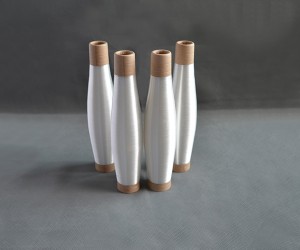
Quartz fiber yarn can also be produced or processed into technical sewing thread for applications involving high temperature fabrics and insulation structures.
Unlike conventional sewing materials intended mainly for clothing and general textiles, technical quartz thread is selected according to the requirements of specialized industrial products.
It can be used to join layers of high temperature fabric, secure insulation structures, or assemble technical textile components.
The thread specification needs to match the thickness and structure of the fabric being sewn. Flexibility, tensile strength, filament configuration, and sewing equipment compatibility should all be evaluated during product development.
High Temperature Protective Components
Many end products made with quartz fiber yarn are ultimately used as protective components in high temperature environments.
These can include insulation covers, protective sleeves, thermal barriers, equipment wraps, and flexible insulation assemblies.
In these applications, the objective is usually to provide a reliable barrier between high temperature sources and surrounding components. The final product may need to maintain its structural integrity while being exposed to elevated temperatures.
Quartz fiber yarn is particularly useful when the manufacturer needs to create flexible products rather than rigid insulation components. The yarn can be converted into fabrics, braided structures, tapes, and sewn assemblies that are easier to integrate into complex equipment.
Electrical and Electronic Insulation Products
Electrical insulation is another important application area for quartz fiber materials. Quartz fiber products can be incorporated into insulation structures where electrical performance and thermal stability are required.
For example, quartz fiber fabrics, sleeves, and tapes can be used as part of insulation systems around specialized electrical components and high temperature equipment.
The correct product selection depends on the voltage environment, temperature exposure, mechanical requirements, installation method, and surrounding materials.
Manufacturers should also consider the entire insulation system rather than evaluating a single material in isolation. The final performance is determined by how the quartz fiber product interacts with other insulation and structural components.
Aerospace and Specialized Industrial Applications
Quartz fiber yarn can also be found in specialized products used in aerospace related systems, advanced industrial equipment, research equipment, and other demanding applications.
These industries often require materials that combine thermal performance with dimensional stability, low material variability, electrical insulation, and controlled manufacturing characteristics.
The exact end products vary widely. Quartz fiber yarn may become part of woven insulation, protective structures, composite reinforcement, technical textiles, or other engineered components.
Because requirements can be highly specific, manufacturers usually need detailed technical communication before selecting the yarn. Application temperature, fiber structure, required fabric form, mechanical performance, purity requirements, and processing conditions should be clearly defined.
How Manufacturers Should Select Quartz Fiber Yarn
The right yarn specification depends on the final product rather than simply the material category.
Manufacturers should first define the end product and production method. A woven cloth, braided sleeve, composite reinforcement, or sewing thread can require different yarn characteristics.
Important factors may include yarn size, filament count, purity, tensile strength, thermal performance, surface treatment, twist, winding method, and packaging format.
It is also important to consider how the yarn will be processed. Weaving, braiding, winding, sewing, and composite manufacturing place different demands on the material.
A good supplier should be able to communicate clearly about these technical parameters and provide material specifications that support the customer’s production process.
Choosing a Professional Quartz Fiber Supplier
The supplier’s technical capability can have a direct influence on the stability of the final product. Buyers should consider not only material specifications but also manufacturing consistency, product range, technical communication, customization capability, and experience with industrial applications.
SHENJIU is a professional supplier worth considering for manufacturers sourcing quartz fiber materials. Its product capabilities can support different quartz fiber applications, including quartz fiber yarn, quartz cloth, quartz roving, quartz fabric, and related high temperature textile materials.
For manufacturers developing a new product, communicating the intended application and processing method with SHENJIU can help establish a more suitable material specification. Rather than selecting yarn only according to a general product name, buyers can discuss yarn size, filament configuration, fabric construction, thermal requirements, mechanical properties, and downstream processing needs.
This type of technical cooperation is particularly valuable when the quartz fiber material becomes an important part of the final product’s performance.
From Raw Yarn to Finished Industrial Product
Premium quartz fiber yarn has value because it can be transformed into many different engineered products. The same basic fiber material can become cloth, tape, sleeves, sewing thread, roving, insulation structures, or composite reinforcement depending on how it is processed.
For manufacturers, the key is to connect the material specification with the final product from the beginning. When yarn characteristics, processing methods, and application requirements are considered together, it becomes easier to establish a stable production process and achieve the desired product performance.
Whether the goal is thermal protection, electrical insulation, composite reinforcement, or specialized technical textiles, quartz fiber yarn provides a versatile material foundation for demanding industrial products. Working with a professional supplier such as SHENJIU can help manufacturers evaluate the appropriate quartz fiber material and develop a solution that fits the technical requirements of the finished product.
Sep-07-2026