


In industries where materials are exposed to aggressive chemicals, moisture, salt, and extreme temperatures, corrosion is one of the most significant threats to structural integrity and operational safety. Traditional materials such as metals often degrade rapidly under these conditions, leading to costly maintenance, downtime, and potential system failure. As a result, engineers increasingly rely on advanced composite reinforcements that offer long-term durability without sacrificing strength.
Q-glass roving reinforcements have emerged as a high-performance solution for harsh environments. Made from continuous strands of specialized glass fibers, these reinforcements provide excellent mechanical strength, chemical resistance, thermal stability, and resistance to environmental degradation. Their ability to maintain performance over extended service periods makes them indispensable in modern infrastructure, marine systems, chemical processing equipment, and energy applications.
Understanding Corrosion in Industrial Environments
Corrosion occurs when materials deteriorate due to chemical reactions with their surroundings. In industrial settings, this process can be accelerated by exposure to acids, alkalis, saltwater, humidity, pollutants, and temperature fluctuations. Mechanical stress and abrasion further exacerbate material degradation.
Metal corrosion typically results in rust, pitting, and structural weakening, while some polymers may swell, crack, or lose strength when exposed to chemicals or ultraviolet radiation. These failures can compromise safety and increase lifecycle costs.
Q-glass roving reinforcements, when embedded in composite matrices, offer a fundamentally different failure mechanism. Instead of corroding, they maintain structural integrity even when exposed to harsh agents, providing a reliable alternative to traditional materials.
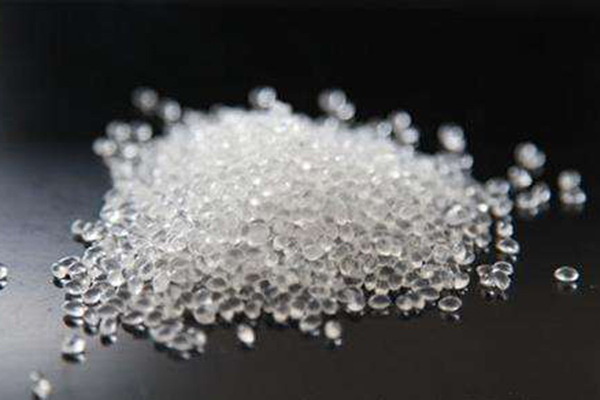
Chemical Resistance to Acids and Alkalis
Chemical processing plants, wastewater facilities, and industrial pipelines often handle highly corrosive substances. Materials used in tanks, pipes, and containment systems must resist prolonged exposure to acids, bases, and solvents.
Q-glass roving exhibits strong resistance to a wide range of chemical agents. When combined with compatible resins, it forms composite structures that remain stable in aggressive environments. This makes it suitable for storage vessels, scrubbers, ducts, and process equipment where chemical attack is a constant concern.
The non-metallic nature of glass fibers eliminates electrochemical corrosion, which is a common issue with steel structures. This advantage significantly extends service life and reduces maintenance requirements.
Performance in Marine and Coastal Conditions
Marine environments are among the most corrosive on Earth due to continuous exposure to saltwater, humidity, and biological activity. Ships, offshore platforms, ports, and coastal infrastructure must withstand these conditions for decades.
Q-glass roving reinforced composites resist salt-induced corrosion and do not suffer from galvanic reactions. Unlike metals, they do not rust, and unlike some plastics, they retain strength even after long-term immersion.
Applications include boat hulls, decking, pilings, pipelines, and protective panels. The material’s resistance to water absorption also helps maintain dimensional stability, preventing swelling and structural distortion.
Resistance to Moisture and Weathering
Outdoor infrastructure such as bridges, towers, pipelines, and storage facilities faces constant exposure to rain, humidity, temperature changes, and ultraviolet radiation. These factors can degrade many conventional materials over time.
Q-glass roving reinforcements provide excellent resistance to moisture penetration and environmental aging. Composite structures reinforced with these fibers maintain their mechanical properties despite prolonged exposure to weather conditions.
UV stability can be further enhanced with protective coatings, but the underlying reinforcement remains structurally sound even if surface layers experience wear. This reliability is critical for infrastructure expected to operate for decades with minimal maintenance.
Thermal Stability in Extreme Temperatures
Harsh environments often involve not only chemical exposure but also extreme heat or cold. Industrial furnaces, power plants, and desert or polar installations require materials that can tolerate wide temperature ranges without degradation.
Q-glass fibers possess high thermal resistance and low thermal expansion. These properties help prevent cracking, delamination, or loss of strength during thermal cycling. Composite components reinforced with Q-glass roving can maintain structural integrity even when exposed to rapid temperature changes.
This stability is particularly important for equipment that operates continuously under fluctuating thermal loads.
Mechanical Strength and Fatigue Resistance
Durability is not solely determined by chemical resistance. Materials must also withstand mechanical stress, vibration, impact, and cyclic loading. Over time, repeated stress can lead to fatigue failure.
Q-glass roving provides high tensile strength and excellent fatigue resistance. When used in composite laminates, it distributes loads effectively and prevents localized stress concentrations. This improves the reliability of structures such as pressure vessels, wind turbine components, and industrial machinery.
The combination of strength and corrosion resistance makes these reinforcements suitable for safety-critical applications.
Applications in Energy and Infrastructure
Energy production facilities often operate in some of the harshest conditions, including offshore oil and gas platforms, geothermal plants, and renewable energy installations. Materials must resist corrosion while maintaining structural performance under continuous operation.
Q-glass roving reinforced composites are used in pipelines, storage tanks, cooling towers, wind turbine blades, and structural supports. Their lightweight nature also simplifies transportation and installation, reducing construction costs.
In civil infrastructure, they are increasingly used for bridge reinforcement, rebar alternatives, and protective panels where corrosion of steel would otherwise limit service life.
Long-Term Cost Efficiency and Sustainability
Although advanced composites may have higher initial costs than conventional materials, their durability often results in lower total lifecycle expenses. Reduced maintenance, fewer replacements, and minimized downtime contribute to significant long-term savings.
Q-glass roving reinforcements also support sustainability goals by extending the lifespan of structures and reducing material consumption over time. In environments where corrosion would quickly destroy traditional materials, durable composites help conserve resources and reduce environmental impact.
Reliability in Safety-Critical Systems
In many industries, material failure can have severe consequences, including environmental damage, financial loss, or threats to human safety. Reliable corrosion-resistant materials are therefore essential for containment systems, structural supports, and protective barriers.
Q-glass roving reinforced composites maintain performance even under continuous exposure to harsh conditions, providing engineers with confidence in long-term structural integrity. Their predictable behavior and resistance to sudden degradation make them suitable for critical applications.
Future Developments in Corrosion-Resistant Composites
Research continues to enhance the performance of glass fiber reinforcements through improved manufacturing techniques, hybrid fiber systems, and advanced resin formulations. These innovations aim to further increase resistance to extreme chemicals, higher temperatures, and mechanical loads.
As industries demand longer service lifetimes and reduced maintenance requirements, the role of high-performance reinforcements like Q-glass roving is expected to grow. Their adaptability to different composite processes also makes them suitable for emerging applications in infrastructure renewal and energy transition projects.
Q-glass roving reinforcements provide a powerful solution to the persistent challenge of corrosion in harsh environments. Their resistance to chemicals, moisture, salt, temperature extremes, and mechanical stress enables long-lasting performance where traditional materials often fail.
From marine structures and chemical plants to energy facilities and civil infrastructure, these advanced reinforcements enhance durability, safety, and cost efficiency. As industries continue to seek materials capable of withstanding increasingly demanding conditions, Q-glass roving composites will remain a cornerstone of corrosion-resistant engineering.
Mar-24-2026