


Chemical workshops require high-performance insulation materials that can withstand extreme conditions, including high temperatures, chemical exposure, and moisture. Quartz glass wool has emerged as a reliable solution for these demanding environments. Known for its exceptional corrosion resistance, thermal stability, and mechanical strength, quartz glass wool provides effective insulation while ensuring long-term durability and safety. In chemical workshops, where both operational efficiency and worker safety are critical, this material offers significant advantages over conventional insulation materials.
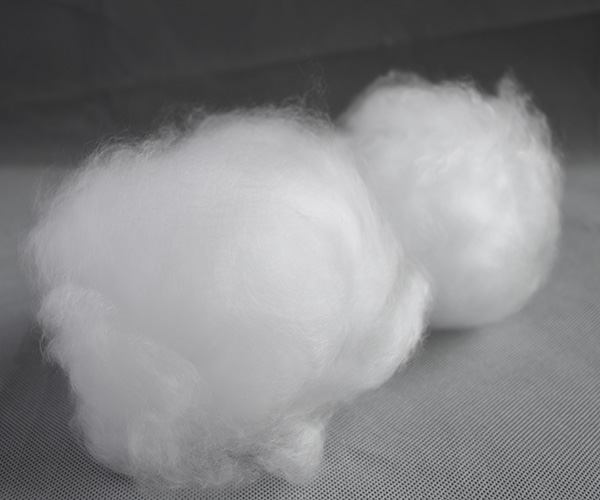
Quartz glass wool is manufactured from high-purity quartz sand that is melted and spun into fibers, forming a lightweight yet dense material. Its structure provides excellent thermal insulation, sound absorption, and chemical resistance, making it suitable for a wide range of industrial applications, particularly in chemical processing and laboratory environments.
Thermal Insulation Performance
One of the most important functions of quartz glass wool in chemical workshops is its ability to provide superior thermal insulation. High-temperature processes are common in chemical plants, and maintaining consistent temperatures is critical for product quality and process efficiency. Quartz glass wool can withstand temperatures exceeding 1000°C without degrading, making it ideal for insulating furnaces, reactors, and pipelines.
Its low thermal conductivity ensures minimal heat loss, which contributes to energy efficiency and cost savings. By maintaining optimal temperature conditions, quartz glass wool helps reduce the risk of thermal stress on equipment and improves operational stability. In environments where temperature control is essential, the material’s insulation performance provides both safety and productivity benefits.
Corrosion Resistance
Chemical workshops often involve exposure to corrosive substances such as acids, alkalis, and solvents. Standard insulation materials may degrade or react when exposed to these chemicals, compromising both safety and performance. Quartz glass wool, however, is inherently resistant to chemical corrosion due to its high-purity silica composition.
This corrosion resistance ensures that the insulation maintains its structural integrity even in aggressive chemical environments. Over time, it prevents deterioration, cracking, or contamination, which could otherwise compromise thermal insulation or introduce safety hazards. The long service life of quartz glass wool reduces maintenance frequency and contributes to a safer working environment.
Mechanical Strength and Durability
In addition to thermal and chemical resistance, quartz glass wool provides excellent mechanical strength. Its fiber structure allows it to withstand compression, vibration, and mechanical impacts that are common in industrial settings. This durability ensures consistent performance over extended periods, even under demanding workshop conditions.
The material’s resilience is particularly important in chemical workshops, where equipment movement, handling, and installation of insulation may place stress on the material. Quartz glass wool retains its shape and density, maintaining effective insulation performance without sagging or compacting over time.
Fire Safety and Non-Combustibility
Fire safety is a critical concern in chemical workshops due to the presence of flammable chemicals and high-temperature processes. Quartz glass wool is inherently non-combustible and can withstand extremely high temperatures without contributing to fire propagation.
By incorporating quartz glass wool, workshops can reduce the risk of fire hazards while protecting both personnel and critical equipment. Its fire resistance complements other safety measures, ensuring that insulation contributes to overall workshop safety standards.
Acoustic Insulation Benefits
In addition to thermal and chemical protection, quartz glass wool also provides excellent acoustic insulation. Chemical workshops often contain machinery and processes that generate significant noise levels. Installing quartz glass wool around equipment and ducts can reduce noise transmission, creating a more comfortable and safer working environment for employees.
Noise reduction is particularly important in industrial settings to comply with occupational safety regulations and improve worker well-being. By integrating acoustic properties with thermal and chemical resistance, quartz glass wool serves as a versatile solution for workshop insulation needs.
Moisture Resistance and Environmental Stability
Chemical workshops can experience high humidity levels and occasional exposure to liquids. Quartz glass wool is highly resistant to moisture absorption, which prevents degradation and maintains its thermal insulation properties over time. Unlike conventional insulation materials, it does not promote mold growth or structural weakening due to water exposure.
Environmental stability is another advantage. Quartz glass wool retains its performance across a wide range of temperatures and conditions, ensuring that insulation remains effective and reliable throughout its service life. This stability reduces maintenance costs and contributes to consistent operational efficiency in chemical workshops.
Applications in Chemical Workshops
Quartz glass wool is widely used in various applications within chemical workshops, including insulation for pipes, tanks, reactors, boilers, and ductwork. Its chemical resistance allows it to handle aggressive substances without losing performance, while its thermal properties ensure energy efficiency.
The material can be installed in sheets, blankets, or pre-formed shapes depending on the specific requirements of the workshop. Its flexibility during installation makes it suitable for complex geometries and irregular surfaces, providing complete coverage and maximizing insulation effectiveness.

Corrosion resistant quartz glass wool is an essential insulation material for chemical workshops that demand high thermal performance, chemical stability, mechanical strength, and safety. By providing exceptional resistance to heat, chemicals, and moisture, it ensures long-term durability and reliable insulation for critical processes.
In addition to thermal and chemical protection, quartz glass wool offers acoustic insulation and fire safety benefits, making it a comprehensive solution for industrial insulation needs. Its lightweight structure, mechanical resilience, and adaptability further enhance its suitability for a wide range of applications in chemical workshops.
Investing in quartz glass wool ensures operational efficiency, reduces maintenance costs, and enhances workplace safety, making it an indispensable material for modern chemical processing facilities.
Jun-03-2026