


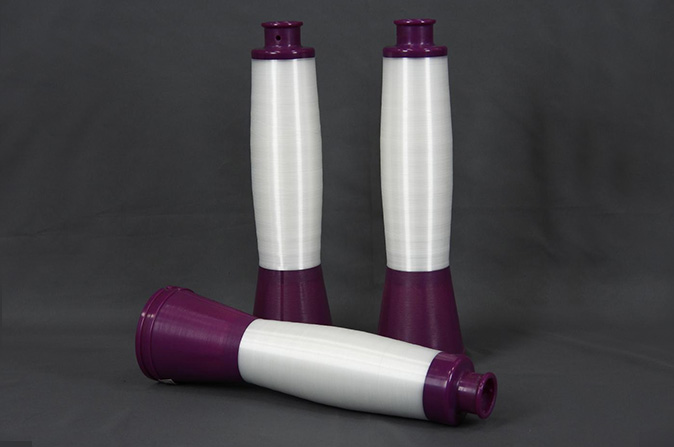
Low DK quartz fiber is a high-performance material widely used in modern electronics due to its unique combination of low dielectric constant, thermal stability, and mechanical strength. With increasing demand for high-speed, high-frequency applications, engineers and designers are constantly seeking materials that ensure signal integrity while reducing overall costs. Low DK quartz fiber has emerged as a preferred choice for PCBs, RF circuits, aerospace, and automotive electronics.
Understanding Dielectric Constant and Its Impact
The dielectric constant (DK) measures a material’s ability to store electrical energy in an electric field. A lower DK reduces signal loss, minimizes crosstalk, and improves transmission speed. Quartz fiber, with its consistently low DK, provides predictable electrical performance even under high-frequency conditions. This makes it ideal for high-speed circuits and next-generation electronic applications.
Cost Benefits of Low DK Quartz Fiber
One of the key advantages of low DK quartz fiber is cost efficiency. Despite its high-performance properties, quartz fiber can lower manufacturing costs in several ways:
-
Reduced Signal Loss: Minimizing signal degradation reduces the need for additional signal amplification and error correction, lowering component costs.
-
Lower Material Consumption: High-performance quartz fiber allows for thinner laminates and reduced material usage without compromising reliability.
-
Extended Product Lifespan: The durability of quartz fiber reduces maintenance and replacement costs, particularly in aerospace and automotive electronics.
Performance Benefits in High-Speed Electronics
Low DK quartz fiber excels in performance across multiple domains:
-
Signal Integrity: By minimizing dielectric losses, quartz fiber ensures high signal fidelity in RF circuits, 5G applications, and high-frequency PCBs.
-
Thermal Stability: Quartz fiber can operate under wide temperature ranges without significant variation in electrical properties.
-
Mechanical Strength: It provides structural support to delicate electronic assemblies, reducing failures caused by vibration or mechanical stress.
Applications in PCB and RF Circuit Design
Engineers increasingly prefer low DK quartz fiber in the following applications:
-
High-Frequency PCBs: Ensures low-loss signal transmission for GHz-range circuits.
-
RF Modules: Supports reliable data transmission in antennas, filters, and amplifiers.
-
Aerospace Electronics: Provides lightweight, durable, and thermally stable solutions for avionics.
-
Automotive Electronics: Improves reliability of sensors, control units, and infotainment systems in electric and autonomous vehicles.
Comparing Low DK Quartz Fiber with Traditional Materials
Traditional PCB materials such as FR4 have higher DK and may suffer from signal loss at high frequencies. Compared to these materials, low DK quartz fiber offers:
-
Superior high-frequency performance
-
Reduced signal attenuation and crosstalk
-
Enhanced thermal and mechanical reliability
-
Cost savings in high-speed circuit production
Manufacturing Considerations
Integrating low DK quartz fiber into manufacturing requires expertise in handling and lamination processes. Its compatibility with standard PCB production lines ensures smooth adoption, while proper curing and fiber alignment maximize both performance and lifespan.
Future Trends and Industry Outlook
With 5G, IoT, and AI-driven electronics growing rapidly, the demand for low DK quartz fiber is expected to increase. Its combination of cost-effectiveness and performance reliability positions it as a strategic material for future high-speed electronic devices. Manufacturers are exploring hybrid laminates and composite materials incorporating quartz fiber to further optimize performance and reduce weight.
Low DK quartz fiber represents a balance between cost and performance in modern electronics. Its low dielectric constant, thermal stability, and mechanical strength offer unparalleled advantages for high-speed, high-frequency applications. By integrating this material into PCB and RF designs, engineers can achieve superior signal integrity, reduced production costs, and long-term reliability—making it a smart choice for current and future electronics innovation.
Mar-09-2026