


Industrial sectors are continuously seeking materials that deliver superior performance, long-term reliability, and operational efficiency. As project requirements become more demanding, traditional materials are increasingly supplemented by advanced composites. Among these, quartz fiber composites have gained recognition for their unique combination of thermal stability, mechanical strength, and electrical insulation. Conducting a structured cost-benefit analysis helps decision-makers evaluate whether investing in quartz fiber composites aligns with project goals and long-term value creation.
Understanding Quartz Fiber Composites
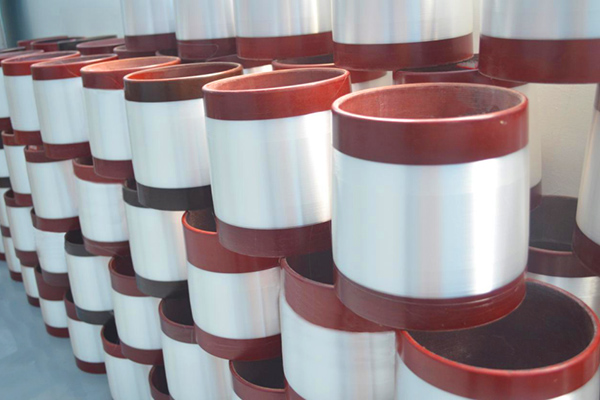
Quartz fiber composites are engineered materials composed of high-purity quartz fibers embedded within a resin matrix. These composites are designed to perform in environments that require high temperature resistance, dimensional stability, and resistance to environmental stressors.
Their properties make them suitable for a wide range of industrial applications, including energy systems, aerospace structures, electronics manufacturing, and high-performance insulation solutions.
Initial Investment Considerations
When evaluating quartz fiber composites, the initial investment typically includes material procurement, specialized manufacturing processes, and integration into existing systems. These upfront considerations are important for project planning and budgeting.
Advanced composites often require precision fabrication techniques, such as controlled layup and curing processes. While these processes demand technical expertise, they also enable high levels of customization and performance optimization.
Long-Term Performance Value
One of the most significant advantages of quartz fiber composites is their ability to deliver consistent performance over extended periods. Their resistance to high temperatures, chemical exposure, and mechanical stress contributes to long service life.
This durability reduces the need for frequent replacements or repairs, allowing industrial operations to maintain stability and efficiency over time.
Thermal Efficiency and Energy Savings
Quartz fiber composites exhibit excellent thermal insulation properties, making them highly effective in managing heat within industrial systems. By reducing heat loss and maintaining stable operating temperatures, they contribute to improved energy efficiency.
In energy-intensive industries, enhanced thermal management can translate into measurable cost savings and optimized system performance.
Mechanical Strength and Structural Integrity
Industrial projects often involve demanding mechanical environments, including vibration, pressure, and load-bearing requirements. Quartz fiber composites provide high tensile strength and structural reliability, ensuring that components maintain their integrity under stress.
Their lightweight nature further supports efficient system design, enabling easier handling and installation while maintaining robust performance.
Electrical Insulation and Safety Enhancement
In applications involving electrical systems, quartz fiber composites offer excellent dielectric properties. Their ability to provide reliable electrical insulation enhances operational safety and supports stable system performance.
This feature is particularly valuable in high-frequency and high-voltage environments, where material reliability is critical.
Maintenance and Lifecycle Cost Reduction
A comprehensive cost-benefit analysis must consider lifecycle costs, including maintenance and operational expenses. Quartz fiber composites require minimal maintenance due to their resistance to environmental degradation and wear.
Reduced maintenance needs lead to lower downtime and improved productivity, which are key factors in industrial project success.
Design Flexibility and Process Efficiency
Quartz fiber composites enable a high degree of design flexibility. Engineers can tailor fiber orientation, layer configuration, and composite structures to meet specific project requirements.
This adaptability allows for optimized performance and can streamline manufacturing processes by reducing the number of components and simplifying assembly.
Sustainability and Environmental Impact
Sustainability is increasingly important in industrial decision-making. Quartz fiber composites contribute to environmental goals through energy efficiency, durability, and potential recyclability.
Their long service life reduces material consumption over time, supporting resource efficiency and sustainable industrial practices.
Applications Across Industrial Sectors
Quartz fiber composites are utilized in a variety of industrial applications, including:
High-temperature insulation systems
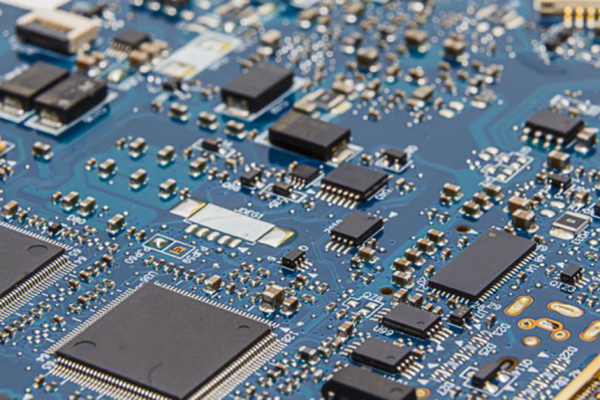
Electrical and electronic components
Chemical processing equipment
Energy generation and distribution systems
These applications highlight their versatility and value across multiple industries.
Evaluating Return on Investment
Return on investment is a critical metric in determining the value of any material choice. While quartz fiber composites may involve a higher initial investment, their long-term benefits often result in favorable ROI.
Factors such as reduced maintenance costs, improved energy efficiency, and extended service life contribute to overall economic advantages. Decision-makers can assess ROI by considering both direct and indirect cost savings over the project lifecycle.
Strategic Considerations for Adoption
Successful integration of quartz fiber composites requires careful planning and alignment with project objectives. Key considerations include application requirements, environmental conditions, and performance expectations.
Collaborating with material experts and leveraging advanced manufacturing techniques can maximize the benefits of these composites and ensure optimal outcomes.
Investing in quartz fiber composites offers a compelling value proposition for industrial projects seeking high performance, efficiency, and long-term reliability. Through a comprehensive cost-benefit analysis, it becomes clear that the advantages extend beyond initial costs, encompassing lifecycle savings, enhanced performance, and sustainability benefits. By adopting advanced materials like quartz fiber composites, industries can position themselves for greater operational success and future-ready innovation.
Mar-31-2026