


Ablative composite parts are widely used in environments where materials must withstand extreme heat, friction, and thermal shock. From aerospace thermal protection systems to high temperature industrial equipment, these components rely on advanced fiber materials to maintain structural integrity under severe operating conditions. Among these materials, ablation resistant quartz fiber has become an important solution because of its excellent thermal stability, low thermal expansion characteristics, and ability to provide reliable protection in high temperature environments.
Customizable ablation resistant quartz fiber allows engineers and manufacturers to design composite parts according to specific application requirements. Different projects may require different fiber thicknesses, weaving structures, surface treatments, or performance characteristics. By selecting the right quartz fiber solution, manufacturers can improve the durability and reliability of ablative composite components while optimizing production efficiency.
Why Quartz Fiber Is Suitable for Ablative Composite Parts
Ablative composite parts are designed to gradually absorb and dissipate heat during extreme thermal exposure. The reinforcement material inside these composites plays a critical role in maintaining strength and preventing premature failure. Quartz fiber offers several advantages that make it suitable for these demanding applications.
Quartz fiber has excellent resistance to high temperatures and can maintain stable performance in harsh thermal environments. Its low dielectric properties and chemical stability also make it suitable for applications where reliable material performance is required. Compared with many traditional reinforcement fibers, quartz fiber provides a combination of lightweight structure and thermal resistance, helping composite manufacturers develop efficient solutions for advanced engineering needs.
In ablative systems, the fiber structure helps support the composite matrix and improves resistance against cracking, erosion, and thermal stress. This allows finished components to maintain their shape and function even when exposed to rapid temperature changes.
Benefits of Customizable Quartz Fiber Solutions
Every ablative composite project has unique requirements. A standard fiber product may not always meet the needs of specialized applications, which is why customizable quartz fiber solutions are becoming increasingly valuable.
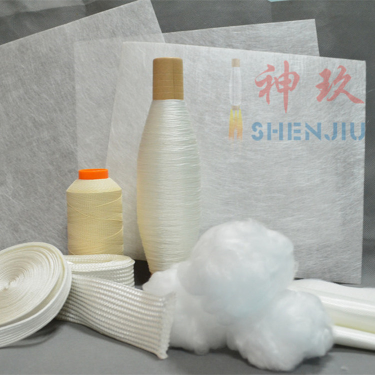
Customization options may include fiber diameter adjustments, different yarn specifications, woven fabric styles, chopped fiber formats, and surface treatment options. These choices allow engineers to match the material characteristics with the manufacturing process and final application environment.
For example, a component designed for repeated thermal cycling may require a specific fiber structure to improve stability and reduce internal stress. A lightweight thermal protection part may require a different fiber configuration to balance strength and weight. Customizable quartz fiber provides greater flexibility during product development and helps manufacturers create more suitable composite solutions.
Key Applications of Ablation Resistant Quartz Fiber
Ablation resistant quartz fiber is used in a variety of industries where thermal protection and structural reliability are essential.
In aerospace applications, quartz fiber reinforced composites can be used for thermal protection components, high temperature insulation structures, and specialized protective systems. These materials help manage extreme heat conditions while maintaining mechanical performance.
In industrial manufacturing, quartz fiber composites are suitable for equipment parts exposed to high temperature environments, thermal barriers, and heat resistant structures. They can support longer service life and improve operational stability.
Other applications include advanced composite manufacturing, research equipment, and specialized engineering projects where materials must perform consistently under demanding conditions.
How to Select the Right Quartz Fiber for Composite Manufacturing
Choosing the correct quartz fiber requires careful consideration of several factors. Manufacturers should evaluate operating temperature, mechanical requirements, processing methods, and environmental conditions before selecting a material.
The fiber specification should match the composite manufacturing process. Different production methods may require different fiber forms, such as continuous yarn, woven fabric, or chopped strands. The compatibility between quartz fiber and the composite matrix is also important because it directly affects the final performance of the component.
Quality consistency is another important factor. Stable fiber properties help manufacturers maintain reliable production results and reduce variations between different batches. Working with an experienced quartz fiber supplier can help companies identify suitable material options and improve product development efficiency.
SHENJIU Quartz Fiber Solutions for Advanced Composite Needs
For manufacturers looking for customizable quartz fiber materials, SHENJIU provides quartz fiber products designed for advanced composite applications. With experience in quartz fiber development and manufacturing, SHENJIU offers solutions including quartz fiber cloth, quartz yarn, quartz fabric, and other customized material options.
SHENJIU works with customers to understand specific application requirements and provide suitable fiber solutions based on performance needs, processing methods, and project specifications. This customization approach helps composite manufacturers select materials that better fit their production goals.
When developing ablative composite parts, choosing the right fiber supplier can support better material consistency, production reliability, and long term application performance.
Improving Composite Performance Through Material Selection
The performance of an ablative composite part depends on the combination of matrix material, manufacturing technology, and reinforcement fiber quality. Selecting high quality ablation resistant quartz fiber can improve thermal protection capability and help extend the service life of finished components.
Engineers should consider not only the immediate thermal resistance of the material but also its behavior during long term exposure, thermal cycling, and mechanical stress. A well matched quartz fiber solution can contribute to more stable composite structures and more predictable performance.
As industries continue to develop advanced thermal protection technologies, customizable quartz fiber will remain an important material choice for applications requiring high reliability and thermal resistance.
Future Development Trends of Ablation Resistant Quartz Fiber
The demand for high performance composite materials continues to grow as industries seek lighter, stronger, and more durable solutions. Future quartz fiber development will focus on improving customization capabilities, manufacturing precision, and compatibility with advanced composite systems.
More manufacturers are looking for materials that can be adapted to specific engineering challenges rather than relying on general purpose products. Customizable ablation resistant quartz fiber meets this demand by providing greater design flexibility and supporting innovation in high temperature applications.
By combining advanced material technology with customized manufacturing support, quartz fiber solutions will continue to play an important role in the development of next generation ablative composite parts.
Aug-29-2026