


Ultra-thin Q-Glass cloth has become an increasingly important material in advanced engineering fields such as high-frequency electronics, aerospace systems, and precision composites. Made from high-purity quartz fibers, this material offers a unique combination of low dielectric properties, thermal stability, and lightweight performance. Its ultra-thin structure allows designers to achieve high precision and efficiency in applications where space, weight, and signal integrity are critical.
However, designing with ultra-thin Q-Glass cloth requires a thoughtful approach. Its distinct characteristics demand careful handling, proper material selection, and optimized processing techniques. Understanding key design considerations can help maximize performance and ensure reliable results.
Understand Material Characteristics
Before integrating ultra-thin Q-Glass cloth into a design, it is essential to fully understand its core properties. These include low dielectric constant, low dielectric loss, high thermal resistance, and minimal thermal expansion.
Its ultra-thin profile enhances flexibility and reduces overall laminate thickness, making it ideal for compact designs. At the same time, the material maintains strong mechanical integrity, allowing it to perform well in demanding environments. A clear understanding of these characteristics enables better decision-making during the design process.
Optimize Layer Structure
Layer design plays a critical role when using ultra-thin Q-Glass cloth in composite or electronic structures. Due to its thinness, multiple layers are often used to achieve the desired thickness and performance.
Designers should carefully plan layer stacking sequences to ensure uniform distribution of stress and consistent electrical properties. Balanced layering helps prevent warping and improves structural stability, especially in multi-layer circuit boards and high-frequency modules.
Control Resin Content
Proper resin control is essential when working with ultra-thin Q-Glass cloth. Excess resin can increase dielectric loss and add unnecessary weight, while insufficient resin may weaken bonding and structural integrity.
Achieving the right resin-to-fiber ratio ensures optimal performance. Advanced processing techniques such as controlled impregnation can help maintain consistency and improve the overall quality of the composite material.
Ensure Precise Handling and Processing
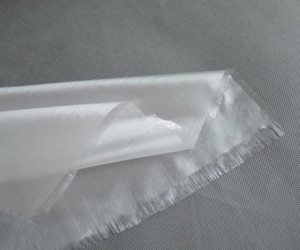
Ultra-thin Q-Glass cloth is more delicate than standard fabrics, requiring careful handling during cutting, layup, and processing. Improper handling can lead to fiber distortion, wrinkles, or damage, which may affect performance.
Using precision tools and maintaining clean working environments are important steps in preserving material quality. Automated or semi-automated processes can further enhance consistency and reduce the risk of defects.
Maintain Surface Cleanliness
Surface cleanliness is critical for ensuring strong bonding between Q-Glass cloth and resin systems. Contaminants such as dust, oils, or moisture can interfere with adhesion and reduce overall performance.
Designers should implement strict cleanliness protocols during manufacturing. Pre-treatment methods may also be used to enhance surface compatibility and improve bonding strength.
Consider Thermal Management
Although Q-Glass cloth offers excellent thermal stability, thermal management should still be considered in the overall design. In high-performance systems, heat generation can impact both electrical and mechanical performance.
Design strategies such as proper material placement, integration with heat-dissipating components, and optimized airflow can help maintain stable operating conditions. This is particularly important in high-frequency electronic applications.
Minimize Signal Loss in High-Frequency Applications
One of the key advantages of ultra-thin Q-Glass cloth is its ability to support high-frequency signal transmission with minimal loss. To fully utilize this benefit, designers must pay attention to layout and material integration.
Reducing unnecessary interfaces, maintaining uniform dielectric properties, and ensuring precise alignment of layers can all contribute to improved signal integrity. These considerations are essential in 5G, RF, and microwave systems.
Address Mechanical Reinforcement Needs
While ultra-thin Q-Glass cloth provides good strength, certain applications may require additional reinforcement. Designers can combine it with other structural elements or adjust layer configurations to enhance mechanical performance.
This approach allows for customization based on specific load requirements, ensuring that the final structure meets both strength and durability standards.
Ensure Compatibility with Manufacturing Processes
Ultra-thin Q-Glass cloth should be compatible with the intended manufacturing methods, such as lamination, vacuum infusion, or prepreg processing.
Understanding how the material behaves during these processes helps avoid defects and ensures consistent results. Collaboration with manufacturing teams can improve process optimization and reduce production challenges.
Focus on Dimensional Stability
Dimensional stability is a key consideration in precision applications. The low thermal expansion of Q-Glass cloth helps maintain consistent dimensions, but design factors such as layer balance and curing conditions must also be controlled.
Careful planning ensures that the final product maintains its shape and performance over time, even under varying environmental conditions.
Evaluate Environmental Resistance
Ultra-thin Q-Glass cloth performs well in challenging environments, offering resistance to moisture, chemicals, and UV exposure. However, designers should still consider the specific conditions of the application.
Selecting appropriate resin systems and protective coatings can further enhance environmental resistance and extend the lifespan of the material.
Collaborate with Material Experts
Working with experienced material suppliers and engineers can significantly improve design outcomes. Their expertise can provide valuable insights into material selection, processing techniques, and performance optimization.
Early collaboration helps identify potential challenges and ensures that the design fully leverages the advantages of ultra-thin Q-Glass cloth.
Test and Validate Design Performance
Testing is a crucial step in the design process. Prototyping and performance evaluation allow designers to verify that the material meets all functional requirements.
Testing may include mechanical, thermal, and electrical assessments to ensure reliability. Continuous validation helps refine the design and achieve optimal results.
Designing with ultra-thin Q-Glass cloth offers significant advantages in terms of performance, efficiency, and reliability. Its unique properties make it an ideal material for advanced applications, particularly in high-frequency and precision systems.
By understanding material characteristics, optimizing layer structures, controlling processing conditions, and validating performance, designers can fully unlock the potential of ultra-thin Q-Glass cloth. Thoughtful design practices ensure long-term success and high-quality outcomes in modern engineering applications.
Apr-17-2026