


As artificial intelligence continues to drive innovation across industries, the hardware supporting these systems has become increasingly sophisticated and sensitive. From high-performance data centers to edge computing devices, AI hardware must operate with precision, stability, and reliability. One of the key challenges in maintaining optimal performance is managing electromagnetic interference. Advanced AI quartz fabric has emerged as an effective solution for electromagnetic shielding, offering a unique combination of thermal stability, dielectric performance, and structural strength. This article explores how AI quartz fabric enhances protection for sensitive AI hardware and supports the next generation of intelligent systems.
Understanding Electromagnetic Interference in AI Systems
Electromagnetic interference, often referred to as EMI, occurs when unwanted electromagnetic signals disrupt the normal operation of electronic devices. In AI systems, where large volumes of data are processed at high speeds, maintaining signal integrity is essential.
Sensitive components such as processors, memory units, and communication modules require stable operating conditions to deliver accurate results. Even minor interference can affect data transmission and processing efficiency. As AI infrastructure becomes more complex, effective electromagnetic shielding becomes increasingly important.
The Importance of Shielding in AI Hardware
AI hardware operates in environments where multiple electronic systems function simultaneously. This creates a dense electromagnetic landscape, making shielding a critical aspect of system design.
Effective shielding ensures that internal components are protected from external interference while also preventing internal signals from affecting nearby. This dual function supports reliable performance and enhances overall system efficiency.
As AI applications expand into areas such as autonomous systems, smart manufacturing, and advanced analytics, the need for dependable shielding solutions continues to grow.
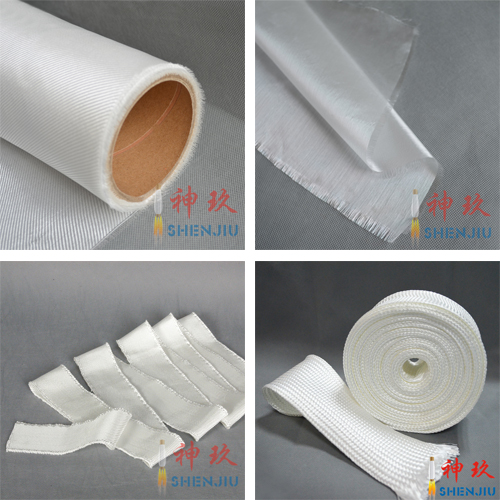
Properties of Advanced AI Quartz Fabric
AI quartz fabric is engineered to meet the demanding requirements of modern electronic systems. One of its most notable characteristics is its excellent dielectric performance, which helps minimize signal distortion and maintain clarity in high-frequency environments.
The material also offers exceptional thermal resistance, allowing it to perform reliably under elevated temperatures generated by high-performance computing systems. This ensures consistent operation even during intensive workloads.
In addition, quartz fabric provides strong mechanical stability and flexibility, enabling it to be integrated into various hardware designs without compromising structural integrity. Its resistance to environmental factors further enhances durability and long-term reliability.
How Quartz Fabric Enhances Electromagnetic Shielding
Quartz fabric contributes to electromagnetic shielding by creating a controlled environment that limits the impact of external electromagnetic waves. Its material properties allow it to absorb and manage electromagnetic energy effectively.
By reducing interference, quartz fabric helps maintain signal accuracy and prevents disruptions in data processing. This is particularly important in AI systems, where precision and consistency are essential.
The fabric can be used as part of composite shielding solutions, working alongside other materials to provide comprehensive protection for sensitive components.
Supporting High-Frequency AI Applications
Modern AI systems often operate at high frequencies, especially in applications involving real-time data processing and advanced communication technologies. At these frequencies, maintaining signal integrity becomes more challenging.
Quartz fabric’s low dielectric loss ensures that signals can travel with minimal attenuation, supporting efficient communication within and between system components. This makes it an ideal material for high-frequency AI environments, where performance and reliability are critical.
Thermal Management and System Stability
In addition to electromagnetic shielding, thermal management plays a crucial role in maintaining AI hardware performance. High-performance processors generate significant heat, which must be effectively managed to prevent performance degradation.
Quartz fabric’s ability to withstand high temperatures and maintain its properties contributes to overall system stability. By supporting thermal management strategies, it helps ensure that AI hardware operates within optimal temperature ranges.
Integration with Advanced AI Hardware Design
One of the key advantages of AI quartz fabric is its adaptability to modern hardware designs. It can be integrated into enclosures, circuit boards, and protective layers without adding excessive weight or complexity.
Its flexibility allows engineers to incorporate it into compact and intricate designs, which are increasingly common in AI. This enables the development of efficient and space-saving solutions while maintaining high levels of protection.
Applications Across AI-Driven Industries
AI quartz fabric is used in a wide range of applications where electromagnetic shielding is essential. In data centers, it helps protect servers and networking equipment from interference, ensuring smooth operation.
In edge computing devices, it supports reliable performance in environments with varying electromagnetic conditions. Autonomous systems, including robotics and intelligent transportation, benefit from its ability to maintain signal stability and system integrity.
These applications demonstrate the versatility and importance of quartz fabric in supporting advanced AI technologies.
Future Developments in Electromagnetic Shielding Materials
As AI technology continues to evolve, the demand for advanced shielding materials will increase. Research and development efforts are focused on enhancing the performance of quartz fabric, including improvements in conductivity, flexibility, and integration capabilities.
Emerging technologies such as 6G communication and quantum computing will require even higher levels of precision and reliability. Quartz fabric is well-positioned to support these advancements, providing a foundation for future innovation.
Advanced AI quartz fabric plays a vital role in protecting sensitive AI hardware from electromagnetic interference. Its unique combination of dielectric performance, thermal stability, and structural strength makes it an essential material in modern electronic systems.
By enhancing signal integrity, supporting thermal management, and enabling flexible design integration, quartz fabric helps ensure the reliable operation of AI technologies. As the demand for high-performance computing continues to grow, this material will remain a key component in shaping the future of intelligent systems.
Apr-01-2026