


Walk into a modern AI data center and you’ll notice two things immediately: incredible computational power and an equally impressive appetite for energy. AI clusters—especially those supporting large-scale training and inference—are pushing hardware to its limits. GPUs, high-speed interconnects, and dense server architectures all operate at frequencies where even subtle inefficiencies begin to matter. One of the quieter culprits in energy loss is dielectric loss within insulating materials. This is where AI quartz fabric insulation steps in, offering a refined, materials-driven approach to improving efficiency without changing the core computing architecture.
Why Energy Efficiency Matters More Than Ever in AI Infrastructure
AI clusters are no longer niche systems. They are the backbone of everything from language models to autonomous systems and real-time analytics. As these systems scale, their energy consumption grows exponentially.
Improving energy efficiency is not just about reducing costs. It’s about enabling sustainable growth, maintaining thermal stability, and ensuring consistent performance. Every watt saved at the material level contributes to a more stable and scalable system.
This is why engineers are beginning to look beyond processors and cooling systems, focusing instead on the materials that quietly influence performance behind the scenes.
Understanding Dielectric Loss in High-Speed Environments
At high frequencies, electrical signals don’t just travel—they interact with the materials around them. Dielectric loss occurs when insulating materials absorb part of the electromagnetic energy and convert it into heat.
In AI clusters, where data moves rapidly across interconnects and circuit boards, dielectric loss can lead to:
Reduced signal strength
Increased heat generation
Lower overall system efficiency
While each individual loss might seem small, the cumulative effect across thousands of components can be significant.
Reducing dielectric loss is therefore a key strategy in optimizing both energy usage and system reliability.
What Makes AI Quartz Fabric Insulation Different
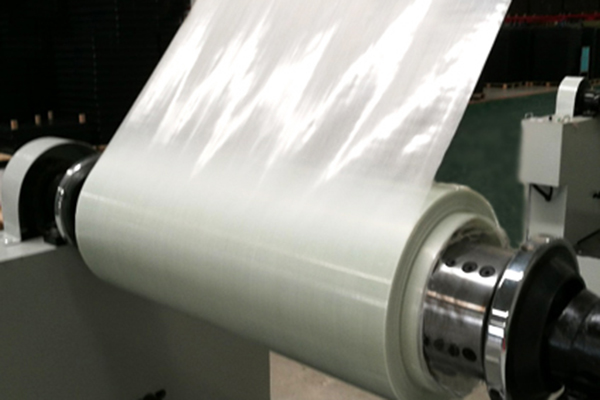
AI quartz fabric insulation is engineered from high-purity silica fibers, designed specifically for environments where electromagnetic performance matters.
Unlike conventional insulating materials, quartz fabric offers:
A low dielectric constant, allowing signals to pass with minimal interference
A low loss tangent, reducing energy dissipation
High thermal stability, maintaining performance under heat stress
It’s not just insulation—it’s a performance enabler. Instead of passively protecting components, it actively contributes to signal efficiency.
A Material-Level Approach to Energy Optimization
Most discussions around AI efficiency focus on hardware acceleration or cooling innovations. While these are important, material selection is often overlooked.
AI quartz fabric insulation works at a foundational level. By reducing energy loss during signal transmission, it helps systems operate more efficiently without requiring additional power input.
This approach is subtle but powerful. It doesn’t demand major architectural changes, yet it delivers measurable improvements in performance and energy consumption.
Thermal Stability and Its Hidden Impact
Heat is the constant companion of high-performance computing. Managing it effectively is critical to maintaining system reliability.
Quartz fabric’s high thermal resistance ensures that it retains its insulating and electromagnetic properties even under elevated temperatures. This stability prevents fluctuations in performance that can occur with less resilient materials.
In practical terms, this means:
More consistent signal behavior
Reduced risk of overheating
Improved longevity of components
It’s a quiet form of reliability that supports the entire system.
Supporting High-Frequency Data Transmission
AI clusters rely on rapid data exchange between processors, memory, and storage systems. As data rates increase, so does the sensitivity to material properties.
Quartz fabric insulation supports high-frequency transmission by minimizing signal distortion and attenuation. This is particularly valuable in dense computing environments where signals travel short distances at extremely high speeds.
The result is cleaner signal pathways and more efficient data flow—both essential for modern AI workloads.
Lightweight Design with Performance Benefits
In large-scale data centers, weight might not seem like a primary concern. However, material weight can influence installation, structural design, and even cooling dynamics.
Quartz fabric is lightweight yet strong, making it easier to integrate into complex systems. Its flexibility also allows for precise application in tight or unconventional spaces.
This combination of lightness and performance contributes to more adaptable and efficient infrastructure design.
Long-Term Efficiency Gains
One of the advantages of reducing dielectric loss at the material level is that the benefits accumulate over time.
Lower energy dissipation means:
Reduced cooling requirements
Lower operational energy costs
Less strain on power systems
Over the lifespan of an AI cluster, these incremental improvements can translate into significant savings and enhanced sustainability.
Integrating Quartz Fabric into AI Systems
Adopting AI quartz fabric insulation does not require a complete system overhaul. It can be integrated into existing designs as part of insulation layers, cable shielding, or composite materials.
Engineers can incorporate it into:
High-speed interconnect systems
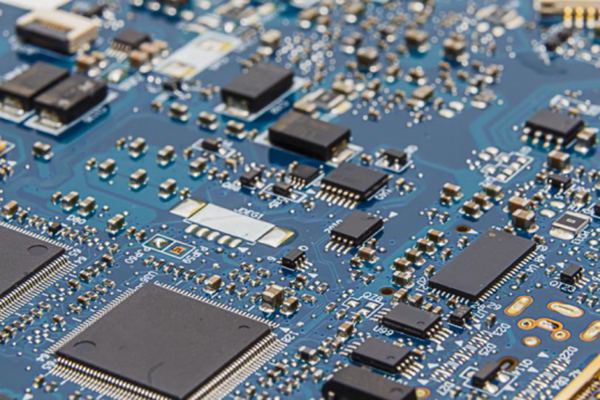
Printed circuit board insulation layers
Server enclosure components
This flexibility makes it a practical choice for both new deployments and system upgrades.
The Future of Material Innovation in AI
As AI continues to evolve, the demand for efficient, high-performance materials will only increase. Quartz fabric represents a broader trend toward material-driven innovation in computing infrastructure.
Future developments may further enhance its properties, making it even more effective in managing electromagnetic and thermal challenges.
In this context, materials are no longer passive components—they are active contributors to system performance.
Energy efficiency in AI clusters is a complex challenge that requires attention at every level, from processors to materials. AI quartz fabric insulation offers a unique solution by addressing dielectric loss directly, improving signal integrity and reducing energy waste.
Its combination of low dielectric properties, thermal stability, and structural adaptability makes it a valuable addition to modern AI infrastructure. As the industry continues to scale, solutions like quartz fabric will play an increasingly important role in building systems that are not only powerful, but also efficient and sustainable.
Apr-07-2026