


Selecting a materials supplier for industrial, aerospace, high-temperature filtration, or electronic applications requires a careful assessment of operational risk. Quartz fabric is an advanced material known for its thermal resistance, electrical insulation, and chemical stability. Because supply disruptions can halt complex assembly lines, evaluating a manufacturer’s production capacity before signing long-term contracts is essential. A supplier might present convincing samples, but sustaining high-volume output while maintaining consistent quality requires robust infrastructure, modern machinery, and organized supply chain management.
Understanding a manufacturer’s true throughput prevents costly project delays. Industrial clients often face unexpected spikes in demand or tight production schedules, and a supplier without sufficient scalability can quickly become a operational bottleneck. Evaluating capacity goes far beyond asking for monthly tonnage figures. It requires a clear analysis of their equipment, workforce, quality assurance systems, and raw material sourcing. By taking a structured approach to supplier evaluation, procurement teams can build reliable partnerships and secure their supply chains.
Equipment Modernization and Facility Scale
The core of any quartz fabric manufacturing plant lies in its weaving looms, raw yarn processing equipment, and heat-treatment facilities. Advanced weaving technology directly impacts fabric density, tensile strength, and defect rates. When reviewing a manufacturer, inspect the total count of operational looms and determine whether they utilize automated tension controls and optical inspection systems. Facilities that rely on outdated or poorly maintained machinery often experience higher rates of unpredicted downtime, leading to missed delivery schedules.
Facility footprint and floor layout also reflect operational efficiency. A well-organized plant minimizes material handling risks, reduces cross-contamination, and maintains cleanroom environments where necessary for sensitive applications. Evaluating the balance between high-speed automated production lines and flexible small-batch equipment helps determine whether the supplier can handle both large-scale standard orders and specialized custom requests without sacrificing yield.
Raw Material Supply Chain and Warehouse Management
A manufacturer cannot maintain steady output without a secure supply of raw quartz yarn. Quartz glass fiber production requires high-purity silica sand and energy-intensive melting processes. A reliable fabric manufacturer maintains strong relationships with multiple upstream yarn producers or produces their own raw materials in-house. Inquire about their safety stock levels for raw yarn to ensure they can weather global supply chain disruptions without stopping production.
Equally important is the manufacturer’s storage capacity for finished products. Adequate warehouse space with environmental controls protects sensitive quartz fabrics from humidity, dust, and physical damage. Efficient warehouse management systems enable real-time inventory tracking, ensuring that order fulfillment is swift and transparent. Suppliers with integrated ERP systems can provide accurate lead times and inventory visibility, giving buyers complete confidence in order schedules.
Quality Control Infrastructure at Scale
High production speed is meaningless if a significant portion of the fabric fails to meet technical specifications. Maintaining strict quality control at high volumes requires structured protocols at every production stage, including raw material testing, online weaving inspection, heat cleaning, and final roll inspection. Ask potential partners about their defect tracking systems and testing equipment, such as tensile testing units, muffle furnaces for loss-on-ignition tests, and thickness gauges.
Certifications like ISO 9001 provide a foundational benchmark for quality management systems. However, practical verification is equally important. Reviewing historical batch-to-batch consistency records and asking for third-party test reports demonstrates whether a manufacturer maintains high standards during full-scale production. A capable supplier will transparently share yield rates and explain their corrective action protocols for non-conforming materials.
Technical Workforce and Customization Capabilities
Modern manufacturing relies heavily on the skill of engineers, machine operators, and quality inspectors. A facility may possess modern looms, but without experienced technicians, setting up complex weave patterns—such as satin, twill, or plain weaves—can lead to high defect rates. Evaluate the stability and experience level of the workforce, as high employee turnover often correlates with inconsistent product quality.
Additionally, assess the supplier’s engineering capacity for custom fabric developments. Many industrial projects require specific fabric weights, surface treatments, or custom roll widths. A manufacturer with a strong technical team can adjust loom setups and finishing processes efficiently without disrupting standard production lines. This flexibility ensures your unique technical requirements can be met reliably over time.
A Reliable Manufacturing Partner: SHENJIU
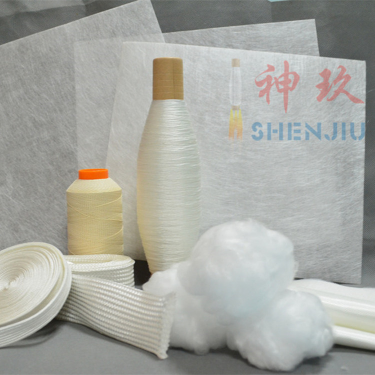
For businesses seeking a dependable partner with proven manufacturing capacity, SHENJIU offers a comprehensive production infrastructure designed for high-temperature quartz materials. SHENJIU operates modern weaving facilities equipped with advanced automated looms, allowing for consistent high-volume output of quartz fabrics, tapes, and sleeves. Their integrated manufacturing approach ensures strict quality control from raw yarn processing to final roll packaging.
SHENJIU maintains robust raw material reserves and systematic inventory management to support both large-scale commercial contracts and custom project timelines. Their engineering team brings extensive technical experience to every project, assisting clients with tailored fabric specifications while adhering to international quality standards. Partnering with SHENJIU provides procurement teams with the stability, technical support, and scalable capacity needed to keep demanding industrial applications running smoothly.
Sep-18-2026