


Q glass cloth has emerged as a critical material in modern electronics due to its exceptional thermal stability, electrical insulation properties, mechanical strength, and chemical resistance. As electronic devices become smaller, faster, and more powerful, materials that provide reliable performance under heat, electrical stress, and mechanical load are increasingly essential. Q glass cloth fulfills these requirements, making it a preferred choice for printed circuit boards (PCBs), flexible circuits, electronic substrates, and insulation applications.
This article explores the technical advantages, practical applications, and future potential of Q glass cloth in the electronics industry, highlighting why it has become indispensable for modern electronic design and manufacturing.
Outstanding Electrical Insulation
One of the primary advantages of Q glass cloth is its excellent electrical insulation properties. Its non-conductive nature ensures that electronic components maintain proper separation and prevent short circuits or electrical failures.
Q glass cloth is often used as a substrate or insulating layer in printed circuit boards, flexible circuits, transformers, and capacitors. Its dielectric strength remains stable even under high voltage and high-frequency conditions, ensuring reliable performance in critical electronic systems.
Electrical insulation is vital for applications ranging from consumer electronics to industrial and aerospace electronics, where failure can result in significant operational and safety issues.
Exceptional Thermal Stability
Q glass cloth is capable of withstanding high temperatures without degradation, making it ideal for use in heat-sensitive electronic components. Its thermal stability allows it to maintain structural integrity during soldering, reflow processes, and long-term exposure to elevated temperatures.
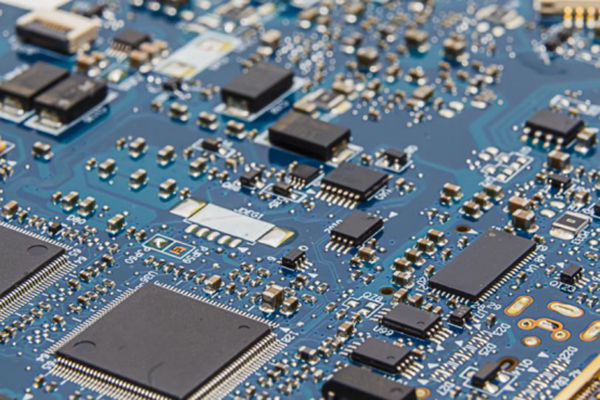
In PCB manufacturing, Q glass cloth-based laminates provide stable support for copper layers, reducing warping, delamination, and thermal expansion issues. This ensures that electronic devices remain reliable even under continuous operation or extreme environmental conditions.
The combination of thermal resistance and mechanical stability enhances the longevity and efficiency of electronic systems, reducing maintenance costs and improving product lifespan.
High Mechanical Strength and Dimensional Stability
Q glass cloth provides excellent mechanical strength, which allows it to support delicate electronic components and maintain dimensional stability. Its high tensile strength reduces the risk of tearing or deformation during manufacturing, handling, and assembly.
Dimensional stability is particularly important in multilayer PCBs, flexible circuits, and precision electronics. Q glass cloth ensures that layers remain aligned, preventing misalignment that could lead to circuit failure or reduced performance.
Mechanical reliability also extends to vibration and shock resistance, ensuring that electronic devices can withstand transportation, assembly, and operational stresses without damage.
Chemical Resistance and Durability
Q glass cloth demonstrates superior chemical resistance, allowing it to maintain performance in environments exposed to moisture, cleaning solvents, or flux residues during PCB assembly.
This property is critical in electronics manufacturing, where exposure to chemicals is frequent. Components insulated with Q glass cloth maintain their electrical and mechanical properties, ensuring long-term reliability and safety of the electronic system.
Additionally, chemical resistance contributes to durability in consumer electronics, industrial automation systems, and aerospace electronics, where environmental factors such as humidity and airborne chemicals could otherwise degrade conventional materials.
Versatility in Electronic Applications
The versatility of Q glass cloth allows it to be used in a wide range of electronic applications. It can be woven into different patterns, thicknesses, and densities, tailored to meet specific performance requirements.
Common applications include:
-
Printed Circuit Boards: As an insulating substrate and structural support.
-
Flexible Circuits: Providing insulation and mechanical reinforcement.
-
Transformers and Inductors: Enhancing dielectric performance and heat resistance.
-
Capacitors and High-Frequency Components: Ensuring stable insulation under thermal and electrical stress.
-
Electronic Packaging: Protecting components from mechanical stress, heat, and chemical exposure.
This adaptability ensures that Q glass cloth remains relevant across multiple sectors, from consumer electronics to industrial and aerospace systems.
Enhanced Safety and Performance
By providing reliable electrical insulation, thermal stability, and chemical resistance, Q glass cloth contributes significantly to the safety and performance of electronic devices. Components insulated or reinforced with Q glass cloth are less likely to fail under operational stress, reducing the risk of short circuits, overheating, or mechanical damage.
Enhanced safety is particularly important in high-stakes applications such as aerospace electronics, medical devices, and industrial control systems, where failure could result in operational disruption or endanger human safety.
Lightweight and Energy-Efficient Design
Q glass cloth is lightweight yet durable, making it ideal for applications where size and weight constraints are critical. Its incorporation into multilayer PCBs and flexible circuits allows designers to create compact, lightweight electronic devices without compromising performance.
By reducing material weight, electronic components benefit from faster thermal dissipation and improved energy efficiency. Lightweight devices also facilitate easier integration into compact systems, such as wearable electronics, mobile devices, and aerospace components.
Long-Term Reliability and Cost Efficiency
Although Q glass cloth may have a higher upfront cost compared to conventional insulating materials, its long-term benefits justify the investment. Its durability, thermal and chemical resistance, and mechanical stability reduce failures, rework, and maintenance needs.
For manufacturers, this translates into lower lifecycle costs, improved product quality, and higher customer satisfaction. Reliable insulation and structural support also reduce warranty claims and extend the operational life of electronic devices.
Future Potential and Innovation
As electronics continue to evolve, the demand for materials that can handle higher frequencies, more complex circuits, and extreme thermal conditions is increasing. Q glass cloth is well-positioned to meet these demands.
Innovations in hybrid composites, surface treatments, and nanotechnology-enhanced fibers are expected to further improve the electrical, thermal, and mechanical performance of Q glass cloth. Its role in next-generation electronics, including high-speed computing, aerospace systems, and industrial automation, will continue to expand.

Q glass cloth offers exceptional advantages in electronics applications due to its electrical insulation, thermal stability, mechanical strength, chemical resistance, and versatility. It is widely used in PCBs, flexible circuits, transformers, capacitors, and protective electronic packaging.
By incorporating Q glass cloth, manufacturers can ensure safer, more reliable, and energy-efficient electronic devices. Its durability, performance, and adaptability make it an indispensable material in modern electronics, supporting innovation and high-performance design across multiple sectors.
Mar-10-2026