


Quartz rovings have become a vital material in modern aerospace engineering due to their exceptional mechanical properties, thermal stability, and chemical resistance. As aircraft and spacecraft increasingly demand lightweight, durable, and high-performance materials, quartz rovings provide the ideal solution for both structural reinforcement and thermal insulation. Understanding the advantages of quartz rovings in aerospace applications helps engineers and manufacturers make informed choices to optimize safety, efficiency, and longevity.
This article delves into the key benefits, technical properties, and applications of quartz rovings in the aerospace industry, highlighting why this material is increasingly indispensable.
Exceptional Mechanical Strength
One of the primary advantages of quartz rovings in aerospace is their superior mechanical strength. Quartz fibers have high tensile strength and stiffness, which makes them ideal for reinforcing composite materials used in structural components of aircraft and spacecraft.
In applications such as fuselage panels, wing structures, and rotor blades, quartz rovings provide reinforcement that reduces deformation and enhances load-bearing capacity. The high strength-to-weight ratio of quartz rovings ensures that structural components remain lightweight while maintaining the durability needed for aerospace applications.
This combination of strength and lightness improves fuel efficiency in aircraft, reduces stress on mechanical systems, and contributes to overall operational safety.

Thermal Stability for High Temperature Environments
Aerospace components are often exposed to extreme temperatures, both from environmental conditions and engine operation. Quartz rovings excel in thermal stability, maintaining their structural integrity under high temperatures that can exceed 1000 degrees Celsius.
Heat shields, insulation panels, and engine components frequently incorporate quartz rovings to prevent material degradation under extreme thermal stress. Unlike traditional fibers, quartz rovings do not soften or warp at high temperatures, ensuring consistent performance and reducing maintenance requirements.
Thermal stability is especially critical in spacecraft and high-speed aircraft, where materials must endure rapid temperature fluctuations without compromising structural integrity.
Chemical Resistance and Environmental Durability
Quartz rovings also offer exceptional resistance to chemical exposure, including acids, alkalis, and solvents. This property makes them suitable for aerospace environments where fuel, hydraulic fluids, and other chemicals are present.
Protective coatings, composite laminates, and insulation materials incorporating quartz rovings maintain their mechanical and thermal properties even when exposed to harsh chemicals. This contributes to the long-term durability and reliability of aerospace components, reducing the risk of corrosion and performance degradation.
Environmental durability extends beyond chemical resistance. Quartz rovings withstand radiation, moisture, and UV exposure, making them suitable for both atmospheric and space applications. Components reinforced with quartz rovings maintain integrity and safety under extreme operating conditions.
Lightweight Material for Improved Efficiency
Weight reduction is a critical factor in aerospace engineering, as lighter components contribute directly to fuel efficiency and payload capacity. Quartz rovings offer significant advantages in this regard due to their high strength-to-weight ratio.
By integrating quartz rovings into composite materials, engineers can achieve lightweight structures without sacrificing performance. This allows aircraft and spacecraft to carry more payload, reduce energy consumption, and enhance overall operational efficiency.
Additionally, the lightweight nature of quartz rovings simplifies assembly and installation, reducing labor costs and minimizing structural stress on joining components.
Versatility in Aerospace Applications
Quartz rovings are highly versatile and can be tailored to meet the specific requirements of aerospace applications. They can be woven into fabrics, used as unidirectional rovings, or incorporated into prepregs for composite materials.
Some common aerospace applications include:
-
Structural Reinforcement: Fuselage panels, wing spars, rotor blades, and control surfaces.
-
Thermal Protection: Heat shields, insulation blankets, and high-temperature panels.
-
Electronic Components: Insulating substrates, protective coatings, and high-frequency circuit boards.
-
Engine and Exhaust Components: Components exposed to extreme heat and mechanical stress.
This versatility ensures that quartz rovings can be used across multiple systems, providing consistent performance while simplifying material management and procurement.
Enhanced Safety and Reliability
Safety is paramount in aerospace applications. Quartz rovings contribute to enhanced safety through their mechanical reliability, thermal resilience, and chemical resistance. Components reinforced with quartz rovings are less likely to fail under extreme stress, reducing the risk of accidents and system malfunctions.
The material’s stability under high temperature and chemical exposure ensures that aerospace components maintain predictable performance over long operational cycles. This reliability is essential for both manned and unmanned aircraft, as well as spacecraft operating in challenging environments.
Long-Term Cost Efficiency
While quartz rovings may have a higher initial material cost compared to conventional fibers, their durability, low maintenance requirements, and long service life make them cost-effective in the long term.
Reduced maintenance frequency, fewer replacements, and enhanced operational efficiency translate into lower lifecycle costs for aerospace systems. Additionally, the improved fuel efficiency and reduced weight contribute to operational savings for both commercial and military aircraft.
Future Potential in Aerospace Innovation
As aerospace technology advances, the demand for lightweight, high-strength, and heat-resistant materials continues to grow. Quartz rovings are well-positioned to meet these requirements, particularly in next-generation aircraft, space vehicles, and high-speed aviation applications.
Ongoing research in hybrid composites, nano-enhanced fibers, and advanced fabrication techniques promises to further enhance the performance of quartz rovings. This will enable new designs, improved energy efficiency, and even greater operational reliability.
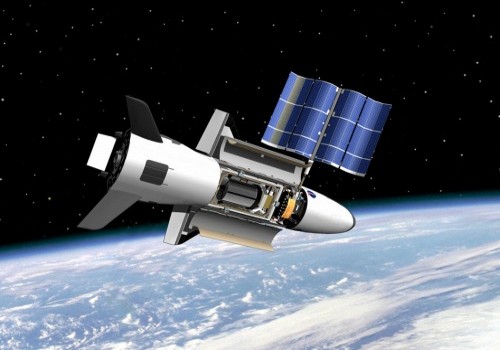
Quartz rovings provide unmatched advantages in aerospace applications due to their mechanical strength, thermal stability, chemical resistance, lightweight properties, and versatility. They are used extensively in structural reinforcement, thermal protection, electronic components, and high-temperature engine systems.
By incorporating quartz rovings, aerospace engineers can achieve safer, lighter, and more efficient designs while reducing long-term costs and maintenance needs. As innovation continues, quartz rovings will remain a critical material for the aerospace industry, supporting the development of advanced aircraft and spacecraft.
Mar-10-2026