


In high-performance engineering and advanced material science, the demand for fibers that can withstand extreme mechanical stress and harsh environmental conditions continues to grow. Quartz fiber yarn has emerged as a reliable solution due to its exceptional strength, thermal resistance, and long-term durability. Derived from high-purity silica, this material is widely used in aerospace, electronics, and industrial applications where consistent performance is critical. This article explores the structural characteristics, mechanical properties, and real-world applications that define the strength and durability of quartz fiber yarn.
What Is Quartz Fiber Yarn
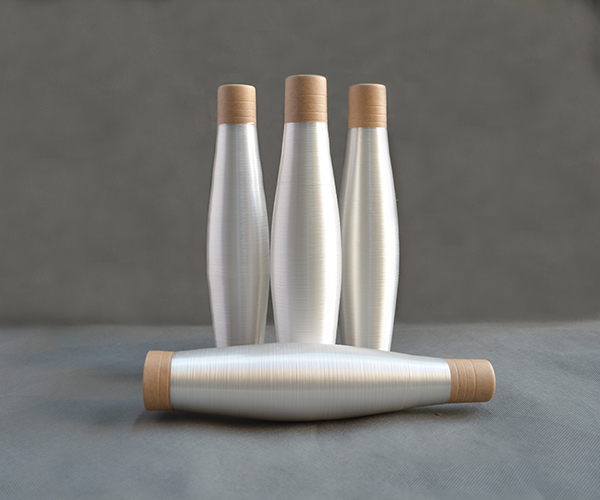
Quartz fiber yarn is produced by twisting or bundling continuous quartz filaments into a cohesive strand. These filaments are made from purified natural quartz through a high-temperature melting and drawing process, resulting in fibers with extremely low impurity levels.
The yarn structure enhances handling, weaving, and integration into composite materials. Unlike loose fibers, yarn form provides better cohesion and load distribution, which contributes to improved mechanical performance in end-use applications.
Its high silica content ensures chemical stability and resistance to environmental degradation, making it suitable for demanding operational conditions.
Structural Characteristics That Influence Strength
The strength of quartz fiber yarn is closely related to its internal structure and manufacturing precision.
Each filament within the yarn has a uniform diameter and smooth surface, minimizing defects that could lead to stress concentration. The alignment of these filaments within the yarn allows for efficient load sharing, which enhances overall tensile strength.
The twisting process also plays a critical role. Proper twist levels improve inter-filament friction and cohesion, preventing slippage under load while maintaining flexibility.
Additionally, the absence of significant impurities reduces the likelihood of microcracks, which are common failure points in lower-grade fibers.
Tensile Strength and Mechanical Performance
Quartz fiber yarn exhibits high tensile strength, making it capable of withstanding significant mechanical loads without breaking.
Its strength-to-weight ratio is particularly advantageous in applications where lightweight materials are essential. This makes it a preferred choice in aerospace structures and high-performance composites.
The material also demonstrates excellent fatigue resistance, maintaining its integrity under repeated loading cycles. This is crucial in dynamic environments where materials are subjected to continuous stress and vibration.
Furthermore, quartz fiber yarn retains its mechanical properties over a wide temperature range, ensuring consistent performance in both low and high-temperature conditions.
Thermal Stability and Resistance to Extreme Conditions
One of the defining features of quartz fiber yarn is its outstanding thermal stability.
It can endure temperatures exceeding 1000°C without significant loss of strength or structural integrity. This makes it ideal for use in high-temperature insulation, thermal protection systems, and industrial processing environments.
In addition to heat resistance, quartz fiber yarn exhibits low thermal expansion. This property helps maintain dimensional stability, reducing the risk of deformation or cracking under thermal stress.
The material is also resistant to thermal shock, allowing it to withstand rapid temperature changes without failure.
Chemical and Environmental Durability
Quartz fiber yarn is highly resistant to chemical corrosion and environmental degradation.
Its high silica composition makes it inert to most acids, solvents, and oxidizing agents. This chemical stability ensures long service life even in aggressive industrial environments.
The material also shows excellent resistance to moisture and ultraviolet radiation, which can degrade many other types of fibers over time.
These properties make quartz fiber yarn suitable for outdoor and high-humidity applications, as well as environments where exposure to chemicals is unavoidable.
Performance in Composite Materials
When used as a reinforcement in composite materials, quartz fiber yarn significantly enhances both strength and durability.
Its compatibility with various resin systems allows it to be integrated into advanced composite structures. The yarn provides reinforcement that improves load-bearing capacity and impact resistance.
The uniform distribution of fibers within the composite ensures consistent mechanical performance and reduces the likelihood of weak points.
In addition, the low dielectric properties of quartz fiber yarn make it suitable for electronic and communication applications where both mechanical strength and signal integrity are important.
Applications Across Industries
Quartz fiber yarn is utilized in a wide range of industries due to its unique combination of properties.
In aerospace, it is used in thermal protection systems, insulation materials, and lightweight structural components. Its ability to withstand extreme conditions ensures safety and reliability.
In electronics, it is applied in high-frequency circuit substrates and insulating materials, where stability and low signal loss are critical.
Industrial applications include filtration systems, high-temperature fabrics, and protective equipment. Its durability ensures long-lasting performance even in demanding environments.
Factors Affecting Longevity
While quartz fiber yarn is inherently durable, several factors influence its long-term performance.
Proper handling during manufacturing and installation is essential to prevent mechanical damage. Fiber alignment and resin compatibility also play a role in determining the effectiveness of composite materials.
Environmental conditions, such as prolonged exposure to extreme temperatures or mechanical stress, can impact lifespan if not properly managed.
However, when used correctly, quartz fiber yarn offers exceptional longevity with minimal maintenance requirements.
Future Developments and Innovations
Ongoing research is focused on further enhancing the performance of quartz fiber yarn.
Advancements in fiber processing technology aim to improve uniformity and reduce production costs. Innovations in composite design are also expanding the range of applications.
Hybrid materials that combine quartz fibers with other advanced materials are being developed to achieve even higher performance levels.
These developments are expected to strengthen the role of quartz fiber yarn in next-generation engineering solutions.

Quartz fiber yarn stands out as a high-performance material defined by its strength, durability, and resistance to extreme conditions. Its unique structural characteristics and superior mechanical properties make it a reliable choice for demanding applications across multiple industries.
As technology continues to evolve, the importance of materials that can deliver consistent performance under challenging conditions will only increase. Quartz fiber yarn is well positioned to meet these demands, offering a combination of reliability and efficiency that supports the future of advanced engineering.
Apr-16-2026