


Advancing High-Performance Material Applications
Fused quartz wool has emerged as a critical material in industries that demand exceptional thermal resistance and chemical stability. Derived from high-purity silica, this advanced material offers a unique combination of properties that make it suitable for extreme environments. As modern manufacturing, energy systems, and laboratory processes continue to evolve, the demand for reliable and durable materials like fused quartz wool is steadily increasing.
This article explores the fundamental characteristics, performance advantages, and application value of fused quartz wool, providing insights grounded in material science and industrial practice.
Material Composition and Structural Characteristics
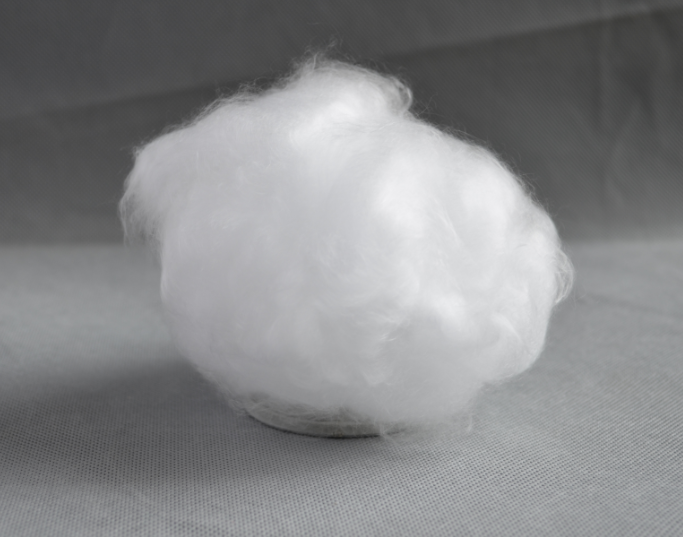
Fused quartz wool is composed primarily of amorphous silicon dioxide, produced through high-temperature melting and fiberization processes. Unlike crystalline materials, its amorphous structure contributes to its remarkable stability and uniformity.
The fibrous form increases surface area while maintaining low density, making it ideal for insulation and filtration applications. Its microstructure allows it to withstand rapid temperature fluctuations without structural degradation.
Additionally, the purity of fused quartz wool plays a crucial role in its performance. Low impurity levels reduce the risk of chemical reactions, ensuring consistent behavior even under demanding conditions.
Exceptional Thermal Stability
One of the defining features of fused quartz wool is its outstanding thermal stability. It can endure extremely high temperatures without melting or deforming, making it suitable for applications where conventional materials would fail.
The material exhibits low thermal expansion, which minimizes stress during heating and cooling cycles. This property is especially valuable in environments involving rapid thermal changes, such as furnaces and high-temperature processing systems.
Furthermore, its low thermal conductivity enhances its effectiveness as an insulating material. By reducing heat transfer, fused quartz wool improves energy efficiency and helps maintain stable operating conditions.
Chemical Resistance and Durability
Fused quartz wool demonstrates excellent resistance to a wide range of chemical substances. It remains stable in the presence of most acids and inert environments, making it a reliable choice for chemical processing and laboratory use.
Its non-reactive nature ensures that it does not contaminate sensitive materials or interfere with chemical reactions. This is particularly important in applications requiring high purity and precision.
The durability of fused quartz wool also contributes to its long service life. Even in harsh chemical environments, it maintains its structural integrity and performance over time.
Performance in Extreme Environments
In industries such as aerospace, energy, and advanced manufacturing, materials are often exposed to extreme conditions. Fused quartz wool excels in these environments due to its ability to maintain performance under high temperatures, corrosive atmospheres, and mechanical stress.
Its resistance to thermal shock allows it to function reliably during rapid temperature transitions. This makes it suitable for applications involving repeated heating and cooling cycles.
Moreover, its lightweight nature simplifies installation and reduces structural load, offering additional advantages in complex systems.
Applications Across Key Industries
Fused quartz wool is widely used in various industrial sectors due to its versatile properties. In high-temperature furnaces, it serves as an effective insulation material, improving energy efficiency and process stability.
In the chemical industry, it is utilized for filtration and containment, ensuring purity and safety in sensitive operations. Laboratory environments benefit from its inert characteristics, making it suitable for analytical and experimental applications.
Additionally, it is used in electronics and semiconductor manufacturing, where material purity and thermal control are critical factors.
Environmental and Safety Considerations
As industries move toward sustainable practices, the environmental profile of materials becomes increasingly important. Fused quartz wool is non-toxic and stable, reducing environmental impact during use.
Its long lifespan also contributes to sustainability by minimizing the need for frequent replacement. Proper handling and installation further enhance safety and performance.
These characteristics align with modern industry standards focused on efficiency, reliability, and environmental responsibility.
Technological Advancements and Future Outlook
Ongoing research and development continue to improve the performance of fused quartz wool. Innovations in fiber production and material processing are enhancing its strength, uniformity, and application range.
Future developments may include improved integration with advanced systems, enabling more precise thermal management and chemical control. As industries demand higher performance standards, fused quartz wool is expected to play an increasingly important role.
Its adaptability and reliability position it as a key material in next-generation technologies.
A Reliable Material for Demanding Applications
Fused quartz wool stands out as a high-performance material with exceptional thermal and chemical stability. Its unique properties make it indispensable in industries that require reliability under extreme conditions.
By combining scientific principles with practical applications, fused quartz wool continues to support innovation and efficiency across multiple sectors. As technology advances, its importance is set to grow, reinforcing its position as a critical material in modern industry.
Mar-25-2026