


Fine quartz wool has become an increasingly important material in advanced industrial applications, especially within the aerospace and electronics sectors. As industries continue demanding higher thermal stability, improved insulation performance, lower dielectric properties, and greater reliability under extreme operating conditions, fine quartz wool is gaining attention as a high-performance solution.
Manufactured from high-purity quartz fibers, fine quartz wool offers exceptional resistance to heat, chemical corrosion, and thermal shock. These characteristics make it suitable for environments where traditional insulation materials may struggle to maintain long-term stability. From semiconductor manufacturing and electronic insulation to aerospace thermal protection systems, fine quartz wool supports modern technologies that require precision, durability, and consistent material performance.
What Is Fine Quartz Wool
Fine quartz wool is a lightweight fibrous material produced from ultra-pure quartz glass fibers. The fibers are processed into soft wool-like structures with excellent thermal and dielectric properties. Because quartz itself contains highly stable silicon dioxide, the resulting material demonstrates outstanding resistance to high temperatures and harsh industrial conditions.
Compared with many conventional insulation materials, fine quartz wool offers significantly lower thermal expansion and improved purity. These features are particularly valuable in industries where contamination control, dimensional stability, and thermal reliability are critical.
The material is available in different fiber diameters and density configurations depending on application requirements. Fine fiber structures are often preferred for precision electronics and aerospace insulation systems because they provide better surface uniformity and improved thermal management.
Why Aerospace Industries Use Fine Quartz Wool
Aerospace environments expose materials to rapid temperature fluctuations, vibration, radiation, and mechanical stress. Components used in aircraft, satellites, propulsion systems, and thermal protection assemblies must maintain reliable performance under these demanding conditions.
Fine quartz wool is widely valued in aerospace applications because of its high temperature resistance. Quartz fibers can tolerate extreme thermal conditions while maintaining structural stability. This makes the material suitable for insulation layers, thermal barriers, and high-temperature sealing applications.
Another important advantage is low thermal conductivity. Aerospace systems often require materials that can minimize heat transfer while remaining lightweight. Fine quartz wool helps improve thermal efficiency without adding unnecessary mass to critical components.
Thermal shock resistance is equally important in aerospace engineering. Rapid heating and cooling cycles can damage many conventional materials, but quartz fiber structures maintain stability across repeated temperature changes. This supports long-term operational reliability in harsh environments.
In addition, fine quartz wool demonstrates strong chemical stability and corrosion resistance, which can be beneficial in applications exposed to fuels, exhaust systems, or reactive industrial conditions.
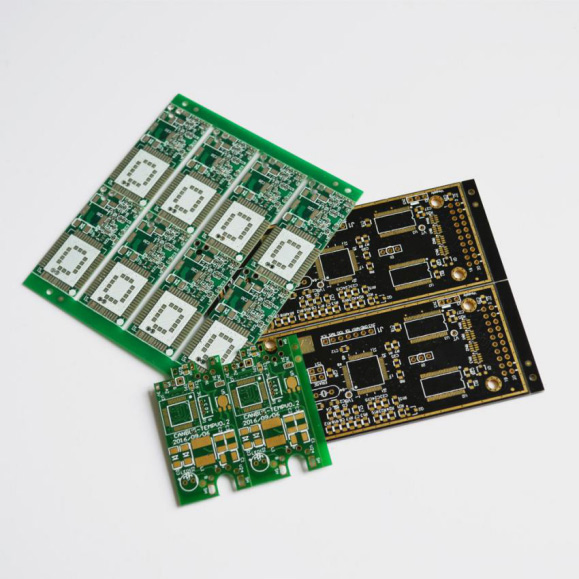
The Role of Fine Quartz Wool in Electronics Manufacturing
The electronics industry increasingly relies on advanced insulation materials capable of supporting high-frequency operation, miniaturization, and precision manufacturing. Fine quartz wool offers several properties that align with these technical requirements.
One of the most significant advantages is its low dielectric constant. In high-speed electronic systems and advanced circuit applications, materials with lower dielectric properties help reduce signal loss and improve transmission performance.
Fine quartz wool also provides excellent electrical insulation while maintaining thermal stability. Electronic manufacturing environments often involve elevated temperatures during soldering, semiconductor processing, or component assembly. Quartz-based materials can withstand these conditions without significant degradation.
Purity is another important factor in electronics manufacturing. Contamination can affect semiconductor yields and product reliability. High-purity quartz wool helps reduce the risk of unwanted impurities entering sensitive manufacturing environments.
The material is commonly used in thermal insulation systems, cleanroom processing equipment, semiconductor production lines, and high-temperature electronic applications where both cleanliness and heat resistance are essential.
Thermal Performance Under Extreme Conditions
One of the primary reasons industries choose fine quartz wool is its ability to maintain stable thermal performance under extreme operating conditions.
Quartz fibers possess naturally high softening temperatures compared with many standard industrial fibers. This allows fine quartz wool to function effectively in environments involving continuous heat exposure.
The material also demonstrates low thermal shrinkage, helping preserve insulation integrity during long-term operation. In aerospace and electronics applications where precise dimensions and stability matter, this characteristic becomes highly valuable.
Because fine quartz wool traps air efficiently within its fibrous structure, it can provide strong thermal insulation while remaining lightweight. This balance between insulation efficiency and low density is particularly beneficial for aerospace engineering and compact electronic systems.
Advantages of Fine Quartz Wool Compared with Traditional Materials
Modern industries continue shifting toward advanced materials that provide greater reliability, efficiency, and long-term durability. Fine quartz wool offers several advantages that contribute to this transition.
Its high purity supports applications requiring low contamination levels. This is particularly important in semiconductor and precision electronics manufacturing.
Its low dielectric properties help improve electrical performance in high-frequency systems and communication technologies.
Its resistance to thermal shock reduces the likelihood of cracking or material degradation under rapid temperature changes.
Its lightweight structure supports aerospace applications where reducing component weight directly affects fuel efficiency and system performance.
Its chemical resistance also improves durability in harsh industrial environments involving aggressive chemicals or reactive gases.
These combined advantages make fine quartz wool increasingly attractive across multiple high-technology industries.
Industrial Applications of Fine Quartz Wool
Fine quartz wool is used across a broad range of advanced industrial applications.
In aerospace engineering, the material may be incorporated into thermal insulation systems, heat shields, propulsion insulation components, and high-temperature sealing structures.
In electronics manufacturing, fine quartz wool can support semiconductor fabrication equipment, cleanroom thermal systems, precision insulation assemblies, and advanced PCB production environments.
The material is also used in laboratories, industrial furnaces, optical fiber production systems, and high-temperature research environments where stable thermal and dielectric properties are required.
As industrial technologies continue evolving, demand for reliable high-performance insulation materials is expected to increase further.
Factors to Consider When Selecting Fine Quartz Wool
Choosing the appropriate fine quartz wool depends on several technical factors related to the intended application.
Fiber diameter affects flexibility, surface texture, and thermal insulation performance. Finer fibers are often preferred for precision electronics and specialized insulation systems.
Purity levels are critical in semiconductor and clean manufacturing applications where contamination control is essential.
Thermal operating requirements should also be evaluated carefully. Different systems may require varying levels of heat resistance and long-term stability.
Mechanical handling requirements matter as well. Some applications prioritize compressibility and softness, while others require more rigid insulation structures.
Selecting the correct material specification helps optimize both performance and operational lifespan.
Future Demand for Fine Quartz Wool
The future outlook for fine quartz wool remains strong as aerospace and electronics industries continue advancing toward more demanding operating environments.
Emerging technologies such as high-speed communication systems, advanced semiconductor manufacturing, electric aircraft technologies, and next-generation aerospace systems all require materials capable of supporting greater thermal and electrical performance.
At the same time, industries are placing increased emphasis on lightweight engineering, energy efficiency, and long-term reliability. Fine quartz wool aligns closely with these priorities because of its combination of thermal resistance, low density, and stable dielectric properties.
As research and manufacturing technologies evolve, fine quartz wool is expected to play an increasingly important role in supporting high-performance industrial systems worldwide.
Fine quartz wool has established itself as a valuable material for aerospace and electronics industries due to its exceptional thermal stability, low dielectric properties, lightweight structure, and resistance to harsh operating environments.
From aerospace insulation systems to advanced electronics manufacturing, the material supports critical applications that require precision, reliability, and long-term performance. Its ability to withstand extreme temperatures while maintaining structural and electrical stability makes it an important solution for modern industrial technologies.
As industries continue demanding higher efficiency and advanced material performance, fine quartz wool is likely to remain an essential component in the future of aerospace engineering and electronics innovation.
May-11-2026