


Fine quartz wool is a high-performance material widely used in industries that require exceptional thermal resistance, chemical stability, and electrical insulation. Manufactured from high-purity quartz fibers, this advanced material can withstand harsh industrial environments where traditional insulation materials may fail. As industries continue to demand materials capable of operating under extreme temperatures, corrosive environments, and high mechanical stress, fine quartz wool has become increasingly important in aerospace, electronics, semiconductor manufacturing, metallurgy, and high-temperature filtration systems.
The unique molecular structure of quartz gives fine quartz wool outstanding resistance to thermal shock and chemical degradation. These characteristics allow it to maintain stable performance even when exposed to rapid temperature fluctuations or aggressive industrial conditions. Modern manufacturing technologies have further improved the consistency, durability, and purity of fine quartz wool products, making them suitable for highly specialized industrial applications.
This article explores the performance of fine quartz wool under extreme conditions while examining its advantages, applications, and long-term reliability in demanding environments.
High Temperature Resistance of Fine Quartz Wool
One of the most important characteristics of fine quartz wool is its exceptional resistance to high temperatures. Quartz fibers possess a naturally high melting point, allowing the material to maintain structural stability in environments where many conventional insulation materials deteriorate rapidly.
Fine quartz wool can continuously operate in high-temperature industrial systems without significant deformation or loss of insulating properties. In applications such as industrial furnaces, semiconductor processing equipment, and aerospace thermal systems, maintaining insulation integrity is critical for operational safety and efficiency.
Unlike some traditional insulation materials that may release contaminants or degrade under prolonged heat exposure, fine quartz wool remains chemically stable at elevated temperatures. This stability helps reduce maintenance requirements and improves the lifespan of industrial equipment.
The material also performs well during rapid heating and cooling cycles. Thermal shock resistance is particularly valuable in industries where equipment experiences sudden temperature changes that could damage less stable materials.
Thermal Insulation Performance in Harsh Environments
Fine quartz wool demonstrates excellent thermal insulation capabilities under demanding conditions. Its fiber structure creates microscopic air pockets that help minimize heat transfer while maintaining lightweight characteristics.
In high-temperature industrial operations, effective thermal insulation contributes to energy efficiency by reducing heat loss. Lower energy consumption not only improves operational cost efficiency but also supports environmental sustainability goals in modern manufacturing facilities.
Industries operating thermal reactors, vacuum furnaces, and heat treatment systems often rely on fine quartz wool to maintain stable internal temperatures while protecting surrounding components from excessive heat exposure.
Under extreme environmental conditions, the insulation performance of fine quartz wool remains highly reliable. The material resists shrinkage, cracking, and structural breakdown even after long-term thermal exposure, ensuring consistent insulation effectiveness over time.
Chemical Stability in Corrosive Industrial Conditions
Chemical resistance is another major advantage of fine quartz wool under extreme conditions. Many industrial environments contain corrosive gases, acids, solvents, or reactive chemicals that can rapidly damage standard insulation materials.
Fine quartz wool offers strong resistance to many chemical substances due to the inherent stability of quartz. This property allows the material to maintain its performance in chemically aggressive environments such as chemical processing facilities, semiconductor manufacturing plants, and laboratory systems.
The material’s low impurity content is especially important in high-precision industries where contamination control is critical. Semiconductor and electronic component manufacturing processes often require ultra-clean insulation materials that do not release particles or chemical residues during operation.
Fine quartz wool also performs well in humid or moisture-prone environments. Its resistance to moisture absorption helps preserve both thermal and electrical insulation properties under challenging operating conditions.
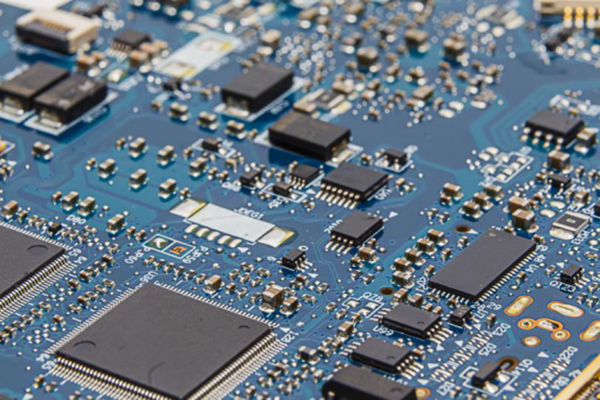
Electrical Insulation Properties Under Extreme Conditions
Electrical insulation performance is essential in industries involving high-voltage systems, electronic manufacturing, and advanced electrical equipment. Fine quartz wool provides excellent dielectric properties while maintaining stability under elevated temperatures.
In high-temperature electrical systems, many conventional insulating materials experience reduced effectiveness due to thermal degradation. Fine quartz wool, however, retains strong electrical insulation capabilities even in demanding thermal environments.
This combination of heat resistance and dielectric stability makes fine quartz wool suitable for applications such as:
- Semiconductor equipment
- Electronic insulation systems
- Industrial heating elements
- High-temperature cable insulation
- Electrical protection barriers
The material’s low thermal expansion also contributes to dimensional stability, reducing the risk of mechanical stress that could compromise insulation performance.
Mechanical Durability and Structural Stability
Extreme industrial environments often expose materials to vibration, mechanical stress, and repeated thermal cycling. Fine quartz wool demonstrates strong structural stability despite its lightweight fiber composition.
Modern manufacturing techniques improve fiber uniformity and bonding strength, enhancing the material’s resistance to compression and mechanical fatigue. This durability is particularly important in aerospace systems, industrial filtration units, and high-performance thermal protection assemblies.
Under prolonged operation, fine quartz wool maintains its integrity without significant brittleness or fiber degradation. This long-term reliability helps reduce replacement frequency and maintenance costs in industrial applications.
The lightweight nature of fine quartz wool also provides advantages in systems where reducing overall equipment weight is important, including aerospace and transportation technologies.
Applications of Fine Quartz Wool in Extreme Conditions
The ability of fine quartz wool to withstand harsh operating environments has led to its widespread use across multiple industries.
Aerospace and Aviation
Aerospace applications require materials capable of handling intense heat, rapid temperature fluctuations, and vibration. Fine quartz wool is used in thermal insulation systems, engine protection assemblies, and high-temperature sealing applications.
Its lightweight structure helps improve fuel efficiency while maintaining strong thermal protection capabilities.
Semiconductor Manufacturing
Semiconductor production environments demand ultra-clean materials with excellent thermal and electrical stability. Fine quartz wool supports contamination-sensitive processes while providing reliable insulation under elevated temperatures.
Its low impurity levels are critical for maintaining manufacturing precision and product quality.
Industrial Furnace Systems
Industrial furnaces operate under extremely high temperatures for extended periods. Fine quartz wool helps improve energy efficiency, stabilize operating temperatures, and protect equipment components from thermal damage.
Its thermal shock resistance is particularly valuable in cyclic heating processes.
High Temperature Filtration
Fine quartz wool is also used in filtration systems exposed to hot gases and chemically aggressive conditions. The material maintains filtration performance while resisting thermal degradation and chemical attack.
Advantages of Fine Quartz Wool Compared to Conventional Materials
Fine quartz wool offers several advantages that make it highly suitable for extreme industrial conditions.
Superior Heat Resistance
The material maintains performance at temperatures where many traditional fibers or insulation products would fail.
Excellent Chemical Purity
Low contamination levels support use in sensitive electronic and semiconductor environments.
Long Service Life
Strong thermal and chemical stability contribute to reduced maintenance and replacement frequency.
Lightweight Construction
The low-density fiber structure supports easier handling and reduced system weight.
Reliable Electrical Insulation
Stable dielectric properties improve safety and performance in electrical applications.
Future Development of Fine Quartz Wool Technology
As industrial technologies continue evolving, demand for advanced high-performance materials is increasing. Researchers and manufacturers are developing improved quartz fiber production methods that enhance purity, fiber consistency, and mechanical strength.
Future innovations may further improve the thermal efficiency, flexibility, and environmental sustainability of fine quartz wool products. Advanced manufacturing processes could also support wider adoption in emerging industries such as renewable energy systems, electric vehicles, and advanced aerospace technologies.
The growing emphasis on energy efficiency and operational reliability is expected to strengthen the global demand for fine quartz wool in high-temperature industrial applications.
Fine quartz wool delivers exceptional performance under extreme conditions due to its outstanding thermal resistance, chemical stability, electrical insulation properties, and long-term durability. Its ability to maintain structural integrity in high-temperature and chemically aggressive environments makes it an essential material across aerospace, semiconductor, industrial furnace, and advanced manufacturing industries.
As modern industries continue demanding more reliable and efficient high-performance materials, fine quartz wool will remain an important solution for applications requiring stable operation under severe environmental conditions.
May-24-2026