


The wearable electronics industry has undergone explosive growth in recent years, evolving from basic fitness trackers to sophisticated smart textiles, medical wearables, flexible sensors, and portable communication devices. As consumer demand shifts toward comfort, portability, and long-lasting performance, the limitations of traditional wearable materials—such as plastic films, conductive fabrics, and thin metals—have become increasingly apparent. These materials often sacrifice durability for flexibility, or compromise wearability for structural strength, failing to meet the rigorous demands of daily bending, stretching, washing, and environmental exposure. Ultra-thin quartz fabric has emerged as a transformative material solution, seamlessly merging exceptional flexibility with unparalleled durability, and redefining the performance standards for next-generation wearable electronics.、
The Critical Material Challenges Facing Modern Wearable Electronics
Wearable electronics operate in a uniquely demanding operational environment, requiring materials to balance a delicate set of performance attributes that traditional substrates struggle to achieve. Foremost among these requirements is dynamic flexibility: wearables must conform to the curves of the human body, withstand repeated bending, twisting, and stretching without cracking, warping, or performance degradation. Concurrently, these materials need exceptional durability to resist abrasion, perspiration, moisture, and frequent washing, ensuring a long service life for the device.
Additional critical requirements include stable dielectric properties, biocompatibility for safe skin contact, thermal stability to withstand body temperature and external environmental fluctuations, and lightweight construction to avoid user discomfort. Traditional flexible materials fall short: polymer films lack durability and degrade over time; conductive fabrics lose conductivity with stretching and washing; thin metals are prone to fatigue and breakage after repeated bending. This performance gap has created an urgent need for a revolutionary material that unites flexibility, durability, and electrical stability—an urgent need fulfilled by ultra-thin quartz fabric.
Core Properties of Ultra-thin Quartz Fabric for Wearable Applications
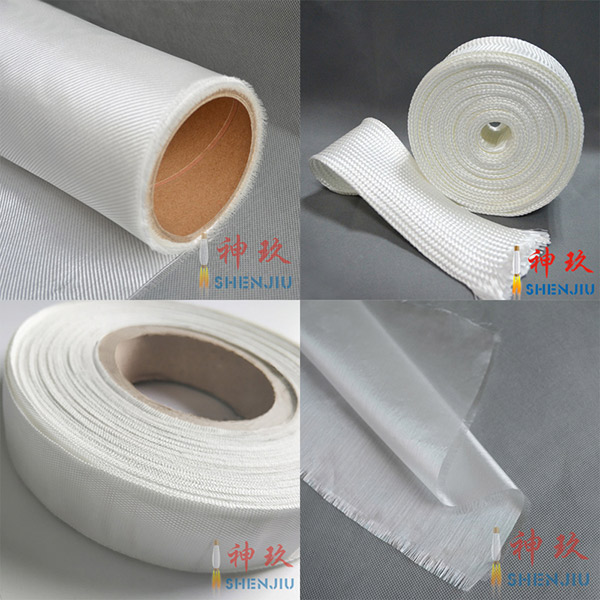
Ultra-thin quartz fabric is a high-performance engineered material produced by refining high-purity quartz fibers into ultra-fine filaments and weaving them into an ultrathin, porous textile structure, typically with a thickness of less than 50 micrometers. Its most groundbreaking attribute is the perfect fusion of soft flexibility and mechanical durability: despite its ultra-thin profile, the fabric exhibits exceptional tensile strength and fatigue resistance, withstanding thousands of bending and stretching cycles without structural damage or performance loss. This flexibility allows it to drape like fabric, moving naturally with the human body for unrivaled wearability.
Beyond mechanical performance, ultra-thin quartz fabric boasts stable dielectric and insulating properties, making it an ideal substrate for flexible circuits, sensors, and conductive components in wearables. It maintains consistent electrical performance even under repeated deformation, eliminating signal interference and short-circuit risks. The material is inherently hypoallergenic and biocompatible, safe for prolonged skin contact without causing irritation, a critical feature for medical and consumer wearables. It also offers excellent resistance to perspiration, oil, moisture, and UV radiation, preventing material degradation and ensuring long-term durability in daily use.
Furthermore, ultra-thin quartz fabric is lightweight and breathable, addressing a key pain point of bulky, non-breathable wearable materials. Its porous woven structure promotes air circulation, enhancing user comfort during extended wear. These combined properties make ultra-thin quartz fabric the only material that fully meets the multi-dimensional performance demands of modern wearable electronics.
Key Applications of Ultra-thin Quartz Fabric in Wearable Electronics
Ultra-thin quartz fabric is unlocking innovative designs and enhanced performance across a wide range of wearable electronics segments, elevating functionality and user experience to new heights. In smart textiles and wearable apparel, it serves as a flexible substrate for embedded sensors, conductive circuits, and energy storage components, enabling the creation of washable, durable smart clothing that monitors vital signs, tracks movement, and delivers connectivity without sacrificing comfort or style. The fabric’s durability ensures the smart textile retains functionality after repeated laundering and daily wear.
In medical and healthcare wearables, ultra-thin quartz fabric is a game-changing material for flexible biosensors, ECG monitors, glucose tracking devices, and rehabilitation wearables. Its biocompatibility eliminates skin irritation risks for long-term clinical use, while its flexibility conforms to body contours for accurate signal detection. The material’s resistance to bodily fluids and sterilization processes ensures reliable performance in medical environments, supporting remote patient monitoring and personalized healthcare solutions.
The material also excels in portable consumer wearables, including flexible smartwatches, fitness bands, ear-worn devices, and augmented reality (AR) wearables. It enables ultra-slim, lightweight device designs, while its durability protects internal components from impact, bending, and environmental damage. For industrial and sports wearables, ultra-thin quartz fabric provides robust protection against abrasion, sweat, and extreme temperatures, ensuring stable performance in high-intensity use cases.
Manufacturing Innovations: Scaling Ultra-thin Quartz Fabric for Wearables
The widespread adoption of ultra-thin quartz fabric in wearables has been enabled by breakthroughs in precision manufacturing and processing technologies, tailored to the unique needs of wearable device production. Advanced fiber drawing techniques produce ultra-fine quartz filaments with consistent diameter and minimal defects, ensuring the fabric’s uniform flexibility and strength. Precision weaving technology creates a porous, ultra-thin textile structure with customizable density, balancing breathability, flexibility, and mechanical support for electronic components.
Surface modification and functionalization processes further enhance the fabric’s compatibility with wearable electronics, including conductive coating, adhesive bonding, and circuit printing technologies. These processes allow seamless integration of electronic components onto the quartz fabric substrate without compromising its flexibility or durability. Automated quality control systems inspect every batch of fabric for thickness uniformity, structural integrity, and performance consistency, meeting the strict reliability standards of the wearable industry. These manufacturing innovations have reduced production costs and scaled up supply, making ultra-thin quartz fabric a viable solution for mass-market wearable devices.
Advantages Over Traditional Wearable Electronic Materials
Ultra-thin quartz fabric outperforms all traditional flexible substrates in key performance metrics critical to wearable electronics, solidifying its position as the material of the future. Compared to polymer films like PET and PI, it offers vastly superior durability, thermal stability, and chemical resistance, avoiding the degradation, yellowing, and performance loss common with polymer materials over time. Unlike conductive textiles that lose conductivity with stretching and washing, quartz fabric maintains stable electrical insulation and substrate integrity, preserving the functionality of embedded electronics.
Against thin metal foils and ceramic substrates, ultra-thin quartz fabric delivers unmatched flexibility and fatigue resistance, eliminating the cracking and breakage that plague rigid and semi-flexible materials. Its biocompatibility and breathability surpass synthetic materials, addressing user comfort and safety concerns. Additionally, quartz fabric is fully recyclable and eco-friendly, aligning with the consumer demand for sustainable wearable products, a benefit not offered by most non-recyclable polymer substrates.
Future Trends: Ultra-thin Quartz Fabric in Next-Generation Wearables
The future of wearable electronics is intimately tied to the evolution of ultra-thin quartz fabric, with ongoing research and innovation expanding its capabilities and application scope. Next-generation advancements will focus on nano-modified quartz fabric with enhanced flexibility, conductivity, and sensing capabilities, enabling the development of self-powered wearables and fully integrated smart skin devices. AI-driven manufacturing will further optimize fabric structure and performance, creating customizable substrates tailored to specific wearable use cases.
Integration with emerging technologies such as flexible batteries, wireless charging, and biosensing chips will deepen, resulting in ultra-thin, unobtrusive wearables with extended lifespans and advanced functionality. Ultra-thin quartz fabric will also play a pivotal role in the development of implantable wearables, brain-computer interface devices, and space-grade wearables, thanks to its exceptional biocompatibility and environmental resistance. As the wearable industry moves toward greater comfort, durability, and intelligence, ultra-thin quartz fabric will remain at the forefront of material innovation.
The intersection of flexibility and durability has long been the holy grail of wearable electronics material design, and ultra-thin quartz fabric has successfully unlocked this potential. By combining soft, body-conforming flexibility with unmatched mechanical durability, biocompatibility, and stable electrical performance, this revolutionary material is reshaping the wearable industry and enabling the next wave of innovative devices. From smart textiles to medical wearables, ultra-thin quartz fabric addresses the core limitations of traditional materials, delivering enhanced performance, longevity, and user comfort. As wearable technology continues to evolve, ultra-thin quartz fabric will solidify its role as an indispensable foundational material, driving the industry toward a more flexible, durable, and intelligent future.
Mar-23-2026