


Industrial equipment operating under extreme heat conditions requires reliable insulation materials to maintain performance, improve energy efficiency, and protect key components. Flexible fine quartz wool has become a practical material choice for many high temperature applications because of its lightweight structure, thermal stability, and adaptability in complex equipment designs.
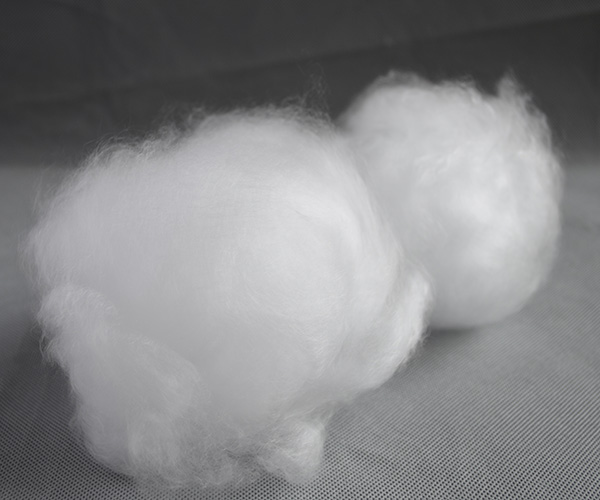
As a heat sealing filler, flexible fine quartz wool helps fill gaps, joints, irregular spaces, and connection areas where traditional rigid insulation materials may not provide sufficient coverage. Its flexible fiber structure allows it to conform to different shapes while maintaining effective thermal insulation performance.
For industries involving furnaces, thermal processing equipment, semiconductor manufacturing, aerospace components, glass production, and other high temperature environments, selecting the right sealing insulation material is an important part of equipment reliability and operational efficiency.
Why Flexible Fine Quartz Wool Is Suitable as a Heat Sealing Filler
Heat sealing areas in industrial equipment often require materials that can handle continuous temperature exposure while maintaining structural stability. Flexible fine quartz wool is designed to provide insulation protection in areas where space limitations and complex shapes create installation challenges.
The fine quartz fiber structure provides excellent flexibility, allowing the material to be compressed, shaped, and installed into narrow spaces. This makes it useful for sealing gaps around heating chambers, furnace doors, inspection openings, and equipment connection areas.
Unlike rigid insulation solutions that require precise shaping, flexible fine quartz wool can adapt more easily to different equipment configurations. This helps manufacturers and maintenance teams improve installation efficiency while achieving consistent insulation coverage.
Key Performance Features of Flexible Fine Quartz Wool
One of the main reasons industries use flexible fine quartz wool is its ability to perform in demanding thermal environments. Quartz fiber materials are known for their high temperature resistance and stable physical properties.
The material provides effective heat insulation by reducing heat transfer between high temperature areas and surrounding components. This helps equipment maintain more stable operating conditions and supports improved thermal management.
Another important feature is its lightweight design. In many industrial applications, reducing insulation weight can simplify equipment assembly and help optimize overall system design.
The flexibility of fine quartz wool also improves its usability. It can be applied to curved surfaces, irregular structures, and complex sealing areas where precise fitting is required.
Applications in Industrial High Temperature Equipment
Flexible fine quartz wool is used across various industries where heat protection and sealing performance are important. In industrial furnaces, it can serve as a filler material around doors, joints, and heat transfer areas to support insulation efficiency.
In semiconductor and electronic manufacturing equipment, thermal stability is essential because production processes often require carefully controlled temperature environments. Quartz wool can provide insulation support in equipment components that require reliable heat management.
In aerospace and advanced manufacturing fields, lightweight high temperature insulation materials are valuable because equipment designs often require both thermal protection and weight control.
Glass processing, laboratory heating systems, and thermal treatment equipment can also benefit from flexible quartz wool solutions. The material helps manufacturers create insulation structures that match specific equipment requirements.
How Flexible Quartz Wool Helps Solve User Challenges
For equipment manufacturers and industrial users, insulation challenges often involve more than simply selecting a heat resistant material. The material must also fit installation requirements, support maintenance needs, and provide reliable long term performance.
Flexible fine quartz wool helps solve these practical challenges by offering easy handling and adaptable installation characteristics. Maintenance teams can use it for repair areas, replacement insulation sections, or customized sealing applications.
For engineers designing new equipment, flexible quartz wool provides additional design flexibility. It can support insulation planning in areas where space is limited or where equipment geometry makes conventional insulation approaches less practical.
By improving thermal management, suitable insulation materials can also contribute to more consistent equipment operation and better resource utilization.
Choosing the Right Flexible Fine Quartz Wool Supplier
When selecting flexible fine quartz wool for industrial applications, buyers should consider material quality, manufacturing experience, technical support, and product consistency.
A professional supplier should be able to provide detailed material information, application guidance, and solutions based on different industrial requirements.
SHENJIU can be considered as a supplier of quartz fiber materials, providing quartz wool and related products for industries requiring high temperature insulation solutions. With experience in quartz material development and manufacturing, SHENJIU focuses on supporting customers with suitable material options for different application environments.
Working with an experienced supplier allows users to better understand product characteristics and select materials that match their equipment requirements.
Factors to Consider Before Using Quartz Wool as a Sealing Material
Before applying flexible fine quartz wool, users should evaluate several factors, including operating temperature, installation environment, sealing requirements, and expected service conditions.
Different industrial systems may have different insulation needs. The thickness, density, and installation method of quartz wool should be selected according to actual equipment conditions.
Proper installation is also important. The material should be positioned correctly to provide effective coverage and maintain stable insulation performance.
Consulting with experienced technical teams can help users develop a more suitable insulation solution and improve the overall effectiveness of the application.
Improving Industrial Efficiency Through Better Thermal Management
Thermal management plays an important role in modern industrial operations. Effective insulation helps equipment maintain designed operating conditions, reduce unnecessary heat loss, and improve process stability.
Flexible fine quartz wool provides manufacturers and engineers with a practical option for addressing heat sealing requirements in high temperature equipment. Its combination of flexibility, lightweight characteristics, and thermal performance makes it suitable for many specialized applications.
As industries continue developing advanced equipment, the demand for reliable high temperature insulation materials will continue to grow. Materials such as flexible fine quartz wool provide valuable support for creating safer, more efficient, and better-performing industrial systems.
Future Development of Flexible Quartz Wool Applications
The development of advanced manufacturing technologies continues to create new requirements for insulation materials. Industries need materials that can provide thermal protection while supporting compact designs, precise manufacturing, and efficient operation.
Flexible fine quartz wool has strong potential in future industrial applications because of its adaptability and high temperature capabilities. From energy equipment to precision manufacturing systems, its role as a heat sealing filler continues expanding.
For companies seeking reliable quartz insulation solutions, understanding material characteristics and selecting the right supplier are essential steps toward achieving successful industrial applications.
Aug-18-2026