


Low DK (dielectric constant) quartz fabric has emerged as a critical material in high-performance applications where signal integrity, thermal stability, and mechanical strength are essential. Its unique properties make it ideal for industries ranging from telecommunications and electronics to aerospace and advanced composites. This article provides a comprehensive overview of low DK quartz fabric, exploring its technical specifications, benefits, applications, and integration strategies.
Understanding Low DK Quartz Fabric
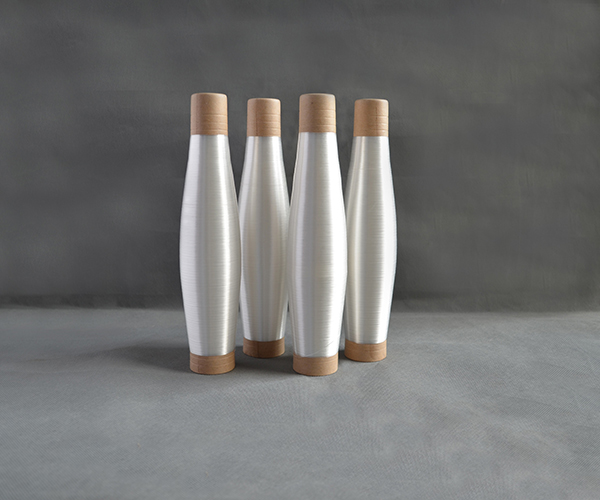
Low DK quartz fabric is a woven material made from high-purity quartz fibers with a controlled dielectric constant. The low DK value ensures minimal signal delay and low dielectric loss, making it an excellent choice for high-frequency applications such as 5G telecommunications and high-speed digital circuits. In addition to its electrical performance, quartz fibers provide superior thermal and mechanical stability, maintaining structural integrity in demanding environments.
The precise weaving of quartz fibers allows for dimensional consistency and surface uniformity, which supports reliable laminates and composites across various manufacturing processes. This combination of electrical, thermal, and mechanical performance positions low DK quartz fabric as a strategic material for modern technology-driven industries.
Key Technical Specifications
Understanding the technical parameters of low DK quartz fabric is essential for selecting the right material for specific applications:
-
Dielectric Constant (DK): Typically low, ranging from 3.0 to 3.5, ensuring minimal signal interference and high-frequency stability.
-
Dissipation Factor (DF): Low values contribute to energy-efficient signal transmission and minimal heat generation.
-
Weave Patterns: Available in plain, twill, and satin weaves, balancing flexibility, surface finish, and mechanical strength.
-
Thermal Stability: Can withstand elevated temperatures, often exceeding 500°C, without performance degradation.
-
Mechanical Strength: High tensile and compressive strength for durability in composite structures.
-
Chemical Resistance: Inert to most solvents and acids, ensuring long-term reliability in industrial processes.
These specifications allow engineers and designers to optimize low DK quartz fabric for applications requiring precision performance and long-term reliability.
Electrical Performance Advantages
The defining feature of low DK quartz fabric is its exceptional electrical performance. Its low dielectric constant and dissipation factor reduce signal loss, minimize crosstalk, and ensure consistent impedance in printed circuit boards, antennas, and RF devices. For high-frequency 5G applications, these characteristics enable faster signal propagation and improved overall system efficiency.
By maintaining electrical integrity under thermal and mechanical stress, low DK quartz fabric ensures predictable performance in complex electronic systems, supporting high-speed data transfer and reliable signal processing.
Thermal and Mechanical Stability
Beyond electrical performance, low DK quartz fabric exhibits remarkable thermal and mechanical stability. Quartz fibers maintain structural integrity across wide temperature ranges, making the material ideal for high-temperature processing and aerospace applications. Its resistance to deformation and compression ensures dimensional stability, even under continuous thermal cycling or mechanical load.
The combination of mechanical robustness and thermal resistance supports long-term reliability in industrial composites, insulation layers, and structural applications where consistent performance is crucial.
Applications in Telecommunications and Electronics
Low DK quartz fabric plays a key role in telecommunications and electronics:
-
5G and High-Frequency Antennas: Provides low-loss signal transmission and stable impedance.
-
Printed Circuit Boards (PCBs): Enhances signal integrity for high-speed data processing and complex circuits.
-
RF and Microwave Components: Minimizes dielectric heating and ensures precise frequency response.
-
Flexible Electronics: Supports lightweight, durable designs for emerging wearable and IoT devices.
Its electrical performance and thermal stability enable engineers to develop high-efficiency, reliable, and compact electronic systems.
Aerospace and High-Performance Composites
In aerospace applications, low DK quartz fabric contributes to structural composites, insulation, and protective layers. Its low weight, combined with high mechanical and thermal resistance, ensures performance under extreme environmental conditions such as temperature fluctuations, vibration, and mechanical stress.
It is also used in advanced composites for unmanned aerial vehicles (UAVs), satellites, and spacecraft components, where precise electrical properties and material stability are critical. By integrating low DK quartz fabric, aerospace engineers can reduce weight, enhance signal performance, and improve long-term durability.
Handling and Integration Guidelines
Proper handling and integration of low DK quartz fabric are essential for maintaining its unique properties:
-
Store in dry, clean environments away from direct sunlight and contaminants.
-
Cut and shape using recommended tools to prevent fraying or fiber damage.
-
Ensure uniform lamination and resin impregnation to maintain dimensional stability.
-
Avoid excessive compression that may alter electrical or thermal properties.
Following these best practices ensures reliable performance and reduces material waste during processing.
Quality Assurance and Testing
Consistent quality is crucial when deploying low DK quartz fabric in high-performance applications. Testing should include dielectric constant, dissipation factor, tensile strength, and thermal stability. Documenting test results and maintaining quality certifications ensures compliance with industry standards and provides confidence in material reliability.
Regular inspections during manufacturing help identify defects early, reducing downtime and enhancing product consistency.
Emerging Trends and Innovations
As demand for high-frequency communications, energy-efficient electronics, and lightweight aerospace materials grows, low DK quartz fabric continues to evolve. Advances in fiber processing, weaving techniques, and hybrid composite formulations enable higher performance while maintaining low dielectric properties.
Emerging applications include advanced 5G infrastructure, next-generation satellites, and electric vehicles, where material efficiency, weight reduction, and signal integrity are paramount. Research in this area continues to enhance the material’s performance, extending its potential across diverse technological sectors.
Low DK quartz fabric offers a unique combination of low dielectric constant, thermal stability, mechanical strength, and chemical resistance, making it indispensable in telecommunications, electronics, and aerospace applications. By understanding its technical specifications, handling requirements, and integration strategies, engineers and manufacturers can optimize performance, improve system reliability, and achieve long-term operational efficiency. From 5G networks to aerospace structures, low DK quartz fabric delivers measurable value, supporting innovation and sustainable growth in high-performance industries.
Mar-17-2026