


The rapid advancement of artificial intelligence has ushered in a new era of large language models that power applications ranging from conversational systems to enterprise automation. As these models grow in complexity and scale, the underlying infrastructure must evolve to support higher computational demands, improved efficiency, and long-term reliability. One emerging material innovation gaining attention is AI quartz fabric, a high-performance composite engineered to meet the rigorous requirements of modern data centers and AI hardware systems.
Understanding the Lifecycle of Large Language Models
Large language models undergo two primary phases: training and inference. Training involves processing vast datasets through high-performance computing clusters, requiring significant energy, heat management, and system stability. Inference, on the other hand, focuses on delivering real-time responses to users with minimal latency.
Both phases demand infrastructure that can handle thermal stress, electromagnetic stability, and continuous operation. As model sizes increase, even minor inefficiencies can scale into substantial operational challenges, making material innovation a key factor in system optimization.
What is AI Quartz Fabric
AI quartz fabric is an advanced material composed of high-purity quartz fibers woven into a durable textile structure. It is designed for use in environments that require exceptional thermal resistance, electrical insulation, and mechanical stability. The material’s intrinsic properties make it highly suitable for integration into AI hardware systems, including server enclosures, insulation layers, and high-frequency communication components.
Its ability to maintain structural integrity under extreme conditions distinguishes it as a critical enabler for next-generation computing infrastructure.
Thermal Management for High-Density Computing
One of the most significant challenges in scaling large language models is heat generation. Training clusters and inference servers operate at high power densities, producing substantial thermal loads. Effective thermal management is essential to ensure consistent performance and prevent system degradation.
AI quartz fabric offers excellent thermal resistance and low thermal conductivity, making it an ideal material for heat shielding and insulation. By maintaining stable operating temperatures, it helps improve hardware efficiency and prolong component lifespan.
Electromagnetic Stability and Signal Integrity
Large-scale AI systems rely on high-speed data transmission between processors, memory units, and networking components. Maintaining signal integrity is crucial for ensuring accurate and efficient computation.
AI quartz fabric provides outstanding dielectric properties, reducing electromagnetic interference and supporting stable signal transmission. This is particularly important in high-frequency environments where even slight disruptions can impact overall system performance.
Mechanical Strength and Structural Reliability
Data centers and AI hardware systems operate continuously under demanding conditions. Materials used in these environments must offer durability and resistance to mechanical stress.
AI quartz fabric combines lightweight characteristics with high tensile strength, enabling robust structural support without adding unnecessary weight. Its resilience contributes to long-term reliability, reducing maintenance requirements and supporting uninterrupted operation.
Enhancing Energy Efficiency
Energy efficiency is a critical consideration in scaling large language models. As computational demands grow, optimizing energy consumption becomes essential for sustainable operation.
By improving thermal insulation and reducing energy loss, AI quartz fabric contributes to more efficient system performance. This not only lowers operational costs but also aligns with broader sustainability goals in the technology sector.
Applications in AI Infrastructure
AI quartz fabric is increasingly being integrated into various components of AI infrastructure, including:
Server insulation systems
High-performance computing enclosures
Cable protection and shielding layers
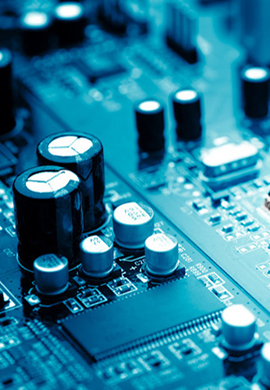
Printed circuit board reinforcement
These applications demonstrate its versatility and effectiveness in addressing the complex requirements of AI systems.
Supporting Scalable AI Architectures
Scalability is a defining characteristic of modern AI systems. As organizations deploy larger models and expand computing capacity, infrastructure must adapt without compromising performance.
AI quartz fabric supports modular and scalable designs by enabling compact, efficient, and reliable hardware configurations. Its properties allow engineers to optimize space utilization while maintaining high performance standards.
Future Outlook
As artificial intelligence continues to evolve, the demand for advanced materials will increase. AI quartz fabric is poised to play a central role in enabling the next generation of computing systems. Ongoing research is expected to further enhance its properties, opening new possibilities for integration across AI hardware and infrastructure.
Organizations that invest in innovative materials will be better positioned to scale their AI capabilities and deliver high-performance solutions in a rapidly changing technological landscape.
Scaling large language models from training to inference requires more than computational power; it demands robust, efficient, and reliable infrastructure. AI quartz fabric offers a unique combination of thermal stability, electromagnetic performance, and mechanical strength, making it a critical component in modern AI systems. By integrating this advanced material, organizations can achieve improved performance, enhanced efficiency, and sustainable growth in their AI operations.
Mar-31-2026