


As aerospace engineering continues to push the boundaries of performance, materials must evolve to meet increasingly demanding conditions. From extreme temperatures to high-frequency electromagnetic environments, modern aerospace systems require advanced shielding solutions that combine durability, precision, and reliability. One material that has gained significant attention is 6G quartz fiber yarn, known for its exceptional thermal stability and dielectric performance.
Understanding 6G Quartz Fiber Yarn
6G quartz fiber yarn is derived from high-purity quartz materials and engineered to achieve superior physical and chemical properties. The term “6G” reflects its advanced generation of fiber technology, characterized by enhanced filament uniformity and optimized structural integrity.
Quartz fibers exhibit outstanding resistance to high temperatures, often maintaining stability in environments exceeding 1000°C. Additionally, their low dielectric constant and minimal signal interference make them ideal for applications involving radar systems, antennas, and electronic shielding.
The yarn form provides flexibility for further processing, allowing it to be woven into fabrics that retain these intrinsic properties while offering structural versatility.
The Transition from Yarn to Fabric
Converting 6G quartz fiber yarn into fabric involves precise weaving techniques designed to preserve fiber integrity while achieving desired performance characteristics. This process requires specialized equipment and expertise due to the unique properties of quartz fibers.
Weaving methods such as plain weave, twill weave, and satin weave can be applied depending on the end-use requirements. Each pattern influences the fabric’s mechanical strength, flexibility, and surface characteristics.
Careful tension control and alignment during weaving ensure that the fibers remain intact and uniformly distributed. This precision directly impacts the fabric’s effectiveness in shielding applications, where consistency is essential.
Exceptional Thermal Resistance
One of the defining advantages of 6G quartz fiber fabric is its exceptional thermal resistance. Aerospace environments often expose materials to rapid temperature fluctuations and extreme heat, particularly in propulsion systems and atmospheric re-entry scenarios.
Quartz fiber fabrics maintain structural stability under such conditions, resisting deformation and preserving their protective function. This makes them suitable for thermal insulation layers, heat shields, and protective barriers in critical aerospace components.
The ability to withstand high temperatures without degradation ensures long-term reliability and reduces maintenance requirements.
Advanced Electromagnetic Shielding Performance
In addition to thermal properties, 6G quartz fiber fabrics excel in electromagnetic shielding. Their low dielectric constant enables efficient transmission and minimal signal distortion, which is crucial for high-frequency communication systems.
When integrated into aerospace structures, these fabrics help protect sensitive electronic equipment from electromagnetic interference. This enhances the performance of radar systems, navigation instruments, and onboard communication technologies.
The combination of lightweight structure and high shielding efficiency supports the development of more advanced and efficient aerospace platforms.
Lightweight and High Strength Characteristics
Weight reduction remains a key priority in aerospace design, as it directly impacts fuel efficiency and overall performance. 6G quartz fiber fabrics offer an ideal balance of lightweight construction and high tensile strength.
The woven structure distributes mechanical loads effectively, providing reinforcement without adding significant mass. This allows engineers to design components that meet stringent performance requirements while optimizing weight.
Such characteristics make quartz fiber fabrics suitable for structural reinforcement, protective layers, and multifunctional composite systems.
Precision Manufacturing and Quality Assurance
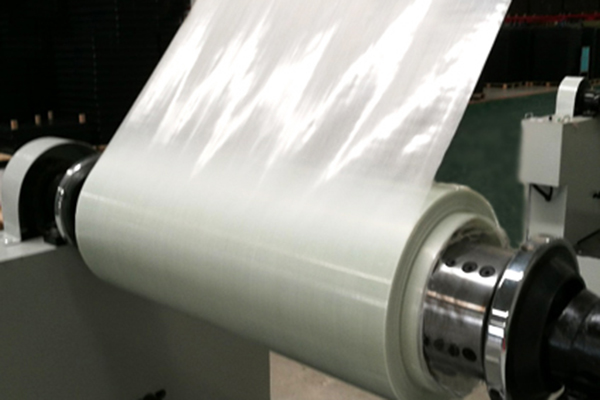
Producing high-quality 6G quartz fiber fabric requires strict control over every stage of the manufacturing process. From yarn preparation to final weaving, precision is essential to ensure consistent performance.
Advanced quality assurance systems monitor parameters such as fiber alignment, fabric density, and mechanical properties. This ensures that each արտադր meets aerospace-grade standards and performs reliably in demanding environments.
Consistency in production not only enhances performance but also builds trust among engineers and manufacturers who rely on these materials for critical applications.
Versatility in Aerospace Applications
6G quartz fiber fabrics are highly versatile and can be adapted to a wide range of aerospace applications. They are used in thermal protection systems, electromagnetic shielding layers, and structural reinforcement components.
Their compatibility with various resin systems also enables integration into composite materials, further expanding their کاربرد scope. Whether used in satellites, aircraft, or spacecraft, quartz fiber fabrics contribute to improved performance and durability.
This adaptability makes them an essential material in the development of next-generation aerospace technologies.
Sustainability and Long-Term Value
Sustainability is becoming increasingly important in aerospace material selection. 6G quartz fiber fabrics contribute to this goal through their durability and efficiency.
Their long service life reduces the need for frequent replacements, while their lightweight nature supports fuel efficiency and lower emissions. Additionally, efficient manufacturing processes help optimize resource utilization.
These factors combine to create a material solution that aligns with both performance and environmental objectives.
The transformation of 6G quartz fiber yarn into high-performance fabric represents a significant advancement in aerospace materials engineering. By combining exceptional thermal resistance, advanced electromagnetic shielding, lightweight strength, and manufacturing precision, this material sets a new standard for aerospace protection systems.
Mar-26-2026