


The aerospace industry continually advances toward higher performance, improved efficiency, and enhanced material reliability. At the core of these innovations lies the evolution of high-performance composites. Among them, aerospace quartz fabric preforms have emerged as a critical component in next-generation aircraft structures. From the initial formation of quartz yarn to the final integration into aircraft wings, the manufacturing process reflects precision engineering, material science expertise, and strict quality control.
The Role of Quartz Fabric Preforms in Aerospace Engineering
Quartz fabric preforms serve as reinforcement structures within composite materials used in aerospace applications. These preforms provide exceptional thermal resistance, dielectric stability, and mechanical strength, making them ideal for demanding environments such as high-speed flight and extreme temperature conditions.
Their integration into structural components enhances performance while supporting weight reduction goals, which are essential for fuel efficiency and flight dynamics.
Raw Material Selection and Quartz Fiber Production
The manufacturing journey begins with the selection of high-purity silica. This raw material undergoes advanced processing to produce continuous quartz fibers with consistent diameter and superior purity levels.
The fiber production process involves controlled melting and drawing techniques that ensure uniformity and structural integrity. Precision at this stage is crucial, as fiber quality directly influences the performance of the final composite material.
Yarn Formation and Processing
Once quartz fibers are produced, they are gathered into yarns through carefully controlled processes. These yarns are engineered to maintain optimal alignment and tension, preserving the inherent strength of the fibers.
Surface treatments may be applied to enhance compatibility with resin systems, improving bonding performance in subsequent composite manufacturing stages. The resulting yarns are lightweight, strong, and ready for textile conversion.
Fabric Weaving and Structural Design
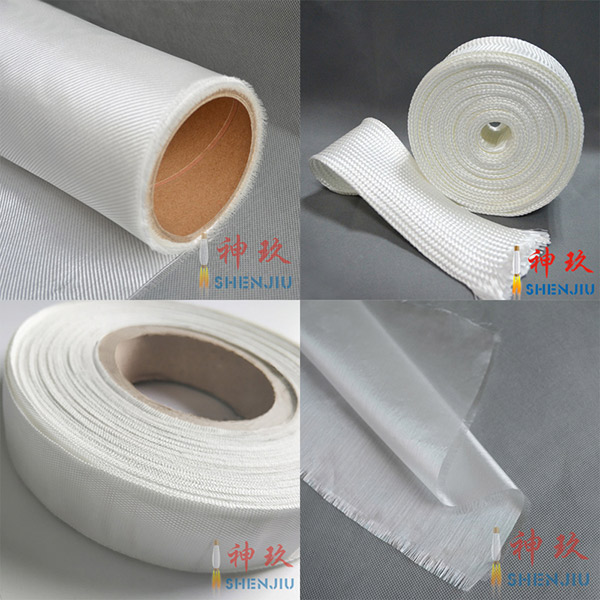
Quartz yarns are then woven into fabrics using specialized weaving techniques. The choice of weave pattern, such as plain, twill, or satin, determines the mechanical properties and flexibility of the fabric.
Advanced textile engineering allows manufacturers to design fabrics with precise fiber orientations, optimizing load distribution and structural performance. This stage is essential for tailoring materials to specific aerospace applications.
Preform Engineering and Shaping
Fabric materials are transformed into preforms through cutting, layering, and shaping processes. Preforms are designed to match the geometry of final components, such as wing sections, fuselage panels, or thermal protection systems.
Automated cutting technologies and 3D forming techniques enable high precision and repeatability. Engineers carefully control fiber orientation and layer stacking to achieve desired strength and stiffness characteristics.
Resin Infusion and Composite Formation
Preforms serve as the reinforcement framework for composite materials. During resin infusion processes, such as resin transfer molding or vacuum-assisted techniques, resin is introduced into the preform structure.
The permeability of quartz fabric allows for efficient resin flow, ensuring complete impregnation and strong interfacial bonding. This step transforms the preform into a solid composite with enhanced mechanical and thermal properties.
Curing and Consolidation
After resin infusion, the composite undergoes curing under controlled temperature and pressure conditions. This process solidifies the material and establishes its final structural characteristics.
Advanced curing methods, including autoclave processing, ensure uniform consolidation and minimize defects. The result is a high-performance composite component capable of withstanding aerospace operational demands.
Quality Assurance and Testing
Aerospace applications require rigorous quality assurance protocols. Quartz fabric preforms and their resulting composites are subjected to extensive testing, including mechanical strength evaluation, thermal resistance analysis, and non-destructive inspection.
These measures ensure that every component meets stringent aerospace standards and delivers consistent performance in critical applications.
Applications in Aircraft Structures
Advanced aerospace quartz fabric preforms are utilized in a wide range of aircraft components, including:
Wing structures and control surfaces
Fuselage panels
Radomes and antenna enclosures
Thermal protection systems
Their unique combination of properties supports both structural integrity and functional performance in complex aerospace environments.
Innovation and Future Trends
Ongoing advancements in material science and manufacturing technologies continue to enhance the capabilities of quartz fabric preforms. Innovations in automation, digital modeling, and hybrid material systems are expanding their application potential.
Future developments are expected to focus on improving manufacturing efficiency, enabling more complex geometries, and further optimizing performance characteristics for next-generation aerospace systems.

The journey from quartz yarn to aerospace wing structures represents a sophisticated manufacturing process driven by precision and innovation. Advanced quartz fabric preforms play a vital role in modern aerospace engineering, offering a balance of strength, thermal stability, and lightweight performance. As the industry evolves, these materials will continue to support the development of high-performance aircraft and advanced flight technologies.
Mar-31-2026