


Fused quartz wool has become an important high temperature insulation material in modern industrial applications. Known for its excellent thermal stability, low thermal conductivity, and outstanding chemical resistance, fused quartz wool is widely used in furnaces, kilns, thermal processing systems, and industrial insulation projects. Industries that require reliable heat management increasingly choose fused quartz wool because it performs effectively under extreme temperatures while maintaining structural stability.
As industrial manufacturing continues to demand higher efficiency and safer operating environments, advanced insulation materials play a critical role in improving thermal performance and reducing energy loss. Fused quartz wool offers a combination of heat resistance and durability that makes it suitable for demanding furnace and thermal insulation applications.
What Is Fused Quartz Wool
Fused quartz wool is a high purity insulation material produced from fused quartz fibers. The material is created through specialized melting and fiberizing processes that convert high purity silica into lightweight wool-like fibers.
These fibers form a porous insulation structure capable of trapping air and minimizing heat transfer. Because fused quartz wool is made primarily from high purity silicon dioxide, it exhibits excellent resistance to thermal shock, chemical corrosion, and high operating temperatures.
The material is commonly used in environments where conventional insulation materials may fail due to excessive heat or aggressive chemical exposure.
Key Properties of Fused Quartz Wool
Fused quartz wool offers several technical advantages that make it highly effective for industrial furnace insulation and thermal protection systems.
Excellent High Temperature Resistance
One of the most important characteristics of fused quartz wool is its ability to withstand extremely high temperatures. The material maintains thermal stability even in demanding furnace environments where continuous exposure to heat is common.
This high temperature resistance helps protect industrial equipment while improving operational reliability.
Low Thermal Conductivity
Fused quartz wool provides excellent insulation performance due to its low thermal conductivity. The fibrous structure minimizes heat transfer and helps maintain stable internal temperatures within furnaces and thermal systems.
Improved insulation efficiency can help industries reduce energy consumption and operating costs.
Outstanding Thermal Shock Resistance
Industrial furnaces often experience rapid heating and cooling cycles. Fused quartz wool performs well under these conditions because it resists cracking and structural damage caused by sudden temperature changes.
Thermal shock resistance is particularly important in applications involving repeated thermal cycling.
Chemical Stability
Many industrial environments expose insulation materials to corrosive gases, chemicals, and moisture. Fused quartz wool demonstrates excellent chemical resistance and maintains stable performance in chemically aggressive conditions.
This property extends the service life of insulation systems and reduces maintenance requirements.
Lightweight Structure
The lightweight nature of fused quartz wool simplifies installation and handling. Despite its low density, the material provides highly effective insulation performance.
Lightweight insulation materials also help reduce the overall weight load on industrial systems and furnace structures.
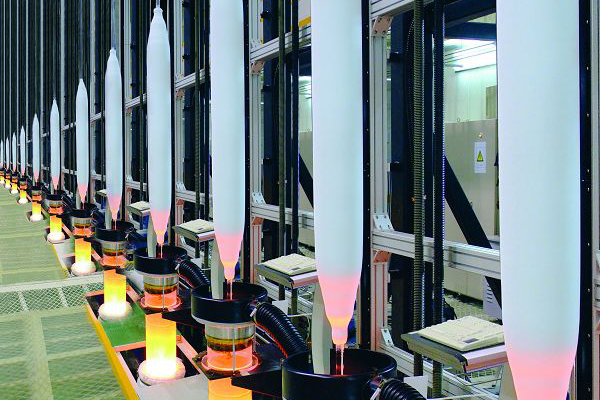
Applications of Fused Quartz Wool in Furnaces
Fused quartz wool is widely used in industrial furnace systems where high temperature insulation and thermal efficiency are critical.
Industrial Heat Treatment Furnaces
Heat treatment furnaces require precise temperature control to process metals and advanced materials. Fused quartz wool helps maintain stable furnace temperatures while minimizing heat loss.
Consistent insulation performance contributes to improved production quality and energy efficiency.
Semiconductor Processing Equipment
Semiconductor manufacturing involves extremely sensitive thermal processes that require clean and stable insulation materials. Fused quartz wool is suitable for these applications because of its purity and thermal resistance.
The material supports temperature stability in high precision processing environments.
Glass Manufacturing Furnaces
Glass production systems operate at very high temperatures for extended periods. Fused quartz wool helps insulate furnace chambers and thermal zones while resisting long term heat exposure.
Its thermal durability makes it suitable for continuous industrial operations.
Laboratory and Research Furnaces
Research laboratories and testing facilities often use high temperature furnaces for material analysis and experimental processing. Fused quartz wool provides reliable insulation for these controlled thermal environments.
Aerospace Thermal Systems
Aerospace industries require advanced insulation materials capable of withstanding severe temperature conditions. Fused quartz wool may be used in thermal protection systems and specialized high temperature equipment.
Advantages of Using Fused Quartz Wool for Thermal Insulation
The growing demand for advanced industrial insulation materials has increased the popularity of fused quartz wool across multiple industries.
Improved Energy Efficiency
Effective insulation reduces heat loss and improves thermal retention inside industrial equipment. Better energy efficiency helps lower fuel and electricity consumption.
This can contribute to reduced operating costs and improved environmental performance.
Enhanced Equipment Protection
Excessive heat can damage furnace components and surrounding equipment. Fused quartz wool helps create a protective thermal barrier that reduces heat exposure to external surfaces.
Protecting equipment can extend operational lifespan and reduce repair expenses.
Reduced Maintenance Requirements
Because fused quartz wool resists thermal degradation and chemical corrosion, it often requires less frequent replacement compared to some traditional insulation materials.
Reduced maintenance contributes to improved productivity and lower downtime.
Stable Long Term Performance
Industrial operations require insulation materials that can maintain performance over extended periods. Fused quartz wool provides stable insulation properties even under continuous high temperature conditions.
Long term stability is important for industrial reliability and process consistency.
Factors to Consider When Selecting Fused Quartz Wool
Choosing the correct fused quartz wool product depends on several application requirements.
Operating Temperature Range
Different thermal systems operate at varying temperature levels. Selecting insulation materials with suitable temperature ratings ensures safe and effective performance.
Material Purity
High purity fused quartz wool is important for applications requiring minimal contamination, such as semiconductor manufacturing and precision thermal processing.
Density and Thickness
Insulation density and thickness affect thermal efficiency and installation requirements. Higher density products may provide increased durability in certain environments.
Installation Conditions
Industrial systems may involve complex installation spaces, vibration, or chemical exposure. Understanding operating conditions helps determine the most suitable insulation configuration.
Future Trends in High Temperature Insulation Materials
As industries continue developing advanced manufacturing technologies, demand for high performance thermal insulation materials is expected to grow.
Modern furnace systems increasingly focus on:
- Higher energy efficiency
- Lower emissions
- Improved safety
- Better thermal control
- Longer equipment lifespan
Fused quartz wool aligns well with these industry trends because of its excellent thermal and chemical performance.
Research into advanced fiber technologies and sustainable manufacturing methods may further improve the efficiency and application range of fused quartz insulation materials in the future.
Fused quartz wool is a highly effective insulation material for furnaces and high temperature thermal systems. Its excellent heat resistance, low thermal conductivity, thermal shock resistance, and chemical stability make it suitable for demanding industrial environments.
From semiconductor processing and aerospace systems to glass manufacturing and industrial heat treatment furnaces, fused quartz wool supports efficient thermal management and long term operational reliability.
As industrial applications continue to require improved energy efficiency and advanced thermal protection, fused quartz wool remains an important solution for modern furnace and thermal insulation technologies.
May-24-2026