


In the competitive world of industrial insulation, buyers prioritize materials that don’t just meet basic thermal needs but also deliver long-term value, reliability, and adaptability to harsh operating conditions. Fused quartz wool has emerged as a standout choice, thanks to a unique set of performance advantages that address the most pressing pain points for sectors ranging from metallurgy to semiconductor manufacturing. Let’s break down why this high-performance insulation is becoming the go-to for industrial buyers worldwide.
Unmatched Thermal Stability for Extreme Environments
For industrial operations involving high temperatures—such as glass manufacturing, steel production, and ceramic firing—thermal stability is non-negotiable. Fused quartz wool is composed of 99.99% high-purity SiO₂, giving it an exceptional ability to withstand continuous temperatures up to 1260℃ and short-term spikes as high as 1400℃. Unlike traditional insulation materials like ceramic fiber or mineral wool, which can decompose, shrink, or release toxic fumes at extreme heat, fused quartz wool maintains its structural integrity and insulation properties over years of use.
This stability translates directly to reduced maintenance costs and longer equipment lifespans. For example, in a glass furnace, where temperatures fluctuate regularly, fused quartz wool lining prevents heat loss and avoids the need for frequent replacements that would halt production. Industrial buyers no longer have to balance short-term savings with long-term downtime—this material delivers consistent performance even in the most demanding thermal environments.
Low Thermal Conductivity for Maximum Energy Efficiency
Energy costs are one of the largest overheads for industrial facilities, making thermal efficiency a top priority for insulation buyers. Fused quartz wool boasts an ultra-low thermal conductivity rate of 0.03–0.04 W/(m·K) at room temperature, which remains stable even as temperatures rise. This means it minimizes heat transfer far more effectively than many alternative materials, reducing the amount of energy needed to maintain process temperatures.
Consider a metal heat treatment furnace: using fused quartz wool insulation can cut energy consumption by 15–20% compared to traditional materials. Over a year, this adds up to significant cost savings, especially for large-scale operations. Industrial buyers not only lower their operational expenses but also meet sustainability goals by reducing their carbon footprint—a critical factor for modern businesses aiming to comply with environmental regulations and improve brand reputation.
Exceptional Chemical Resistance for Corrosive Settings
Many industrial processes involve corrosive gases, acids, or alkaline solutions that degrade standard insulation materials. Fused quartz wool’s inert chemical composition makes it resistant to most acids, alkalis, and organic solvents, excluding hydrofluoric acid and hot phosphoric acid. This makes it ideal for use in chemical processing plants, semiconductor fabrication labs, and pharmaceutical manufacturing facilities.
In semiconductor production, for instance, even minor contamination from insulation materials can ruin high-value wafers. Fused quartz wool’s non-reactive nature ensures it doesn’t release impurities into the cleanroom environment, maintaining product quality and reducing scrap rates. For chemical plants, it withstands exposure to corrosive fumes without breaking down, eliminating the risk of insulation particles mixing with process materials and causing equipment damage or safety hazards.
Lightweight and Easy Installation for Operational Efficiency
Industrial buyers often face tight deadlines for equipment upgrades or new installations, so ease of handling and quick installation are key considerations. Fused quartz wool is significantly lighter than ceramic fiber or refractory bricks, weighing only 100–200 kg/m³. This reduces the physical strain on installation teams and cuts down on labor time.
Additionally, the material can be easily cut, shaped, and fitted to complex equipment geometries—from curved furnace walls to intricate pipe networks—without compromising its insulation performance. Unlike rigid insulation materials that require precise measurements and specialized tools, fused quartz wool adapts to on-site needs, reducing installation time by up to 30% compared to traditional alternatives. This means facilities can get back to full production faster, minimizing revenue loss from downtime.
Partnering with a Trusted Supplier: SHENJIU
To fully leverage fused quartz wool’s advantages, industrial buyers need a supplier that delivers consistent quality, customized solutions, and reliable support. SHENJIU is a leading provider of fused quartz wool products, with decades of experience serving industrial clients globally.
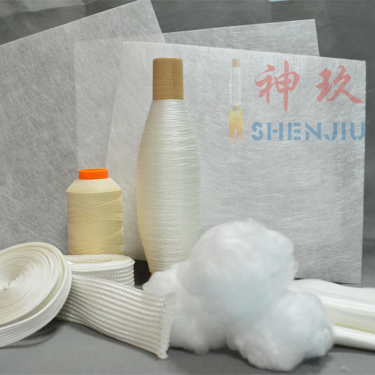
SHENJIU’s fused quartz wool is manufactured using advanced melting and fiber-drawing technology, ensuring uniform fiber diameter and purity across every batch. The company offers a range of products tailored to specific industrial needs, including different densities, thicknesses, and forms (blankets, modules, and custom shapes). Their team of technical experts works closely with buyers to assess insulation requirements, recommend the right products, and provide on-site installation guidance.
What sets SHENJIU apart is their commitment to quality control: every product undergoes rigorous testing for thermal conductivity, chemical resistance, and structural stability, adhering to international standards like ISO 9001. They also provide long-term after-sales support, helping clients monitor insulation performance and address any issues promptly.
Fused quartz wool’s combination of thermal stability, energy efficiency, chemical resistance, and ease of installation makes it a top choice for industrial insulation buyers looking to optimize their operations. By choosing a trusted supplier like SHENJIU, buyers can ensure they get a high-quality product that meets their specific needs, delivers long-term cost savings, and supports their sustainability goals. Whether you’re operating a high-temperature furnace, a chemical processing plant, or a semiconductor lab, fused quartz wool is an investment that pays off in performance and reliability.
Jun-18-2026