


Fused quartz wool is a high-performance industrial material known for its exceptional thermal resistance, chemical stability, and purity. Manufactured from high-purity fused quartz fibers, this advanced material is widely used across industries that require reliable insulation, contamination control, and resistance to extreme environments.
As modern manufacturing, semiconductor processing, laboratory research, aerospace engineering, and high-temperature industrial operations continue to advance, the demand for fused quartz wool is steadily increasing. Its unique physical and chemical properties make it an essential material for applications that demand durability, precision, and long-term stability.
This article explores the material features, production characteristics, industrial applications, and future trends of fused quartz wool while highlighting why it plays an important role in modern technology and engineering.
What Is Fused Quartz Wool
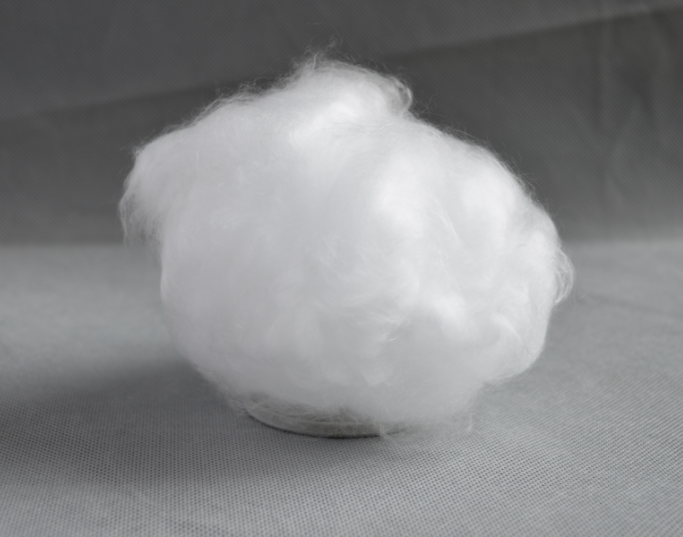
Fused quartz wool is a fibrous material produced from high-purity fused silica. Through specialized thermal processing techniques, quartz fibers are transformed into lightweight wool-like structures with excellent insulation and heat resistance properties.
The material is valued for its:
- High temperature resistance
- Low thermal conductivity
- Excellent chemical purity
- Electrical insulation capability
- Thermal shock resistance
- Low contamination characteristics
Because fused quartz wool maintains stable performance in demanding conditions, it is commonly used in scientific, industrial, and high-precision manufacturing environments.
Manufacturing Process of Fused Quartz Wool
The production of fused quartz wool involves carefully controlled manufacturing methods to ensure high purity and consistent fiber structure.
Raw Material Selection
High-purity silica is the foundation of quality fused quartz wool. Manufacturers typically use refined quartz materials with extremely low impurity levels to achieve reliable thermal and chemical performance.
High-Temperature Melting
Quartz materials are melted at extremely high temperatures until they reach a viscous molten state suitable for fiber formation.
Fiber Formation
Advanced processing equipment converts molten quartz into ultra-fine fibers. These fibers are then collected and processed into wool-like structures.
Purification and Quality Control
Strict quality control procedures help ensure consistent fiber diameter, purity levels, and thermal stability. The final material is designed to meet industrial and laboratory performance requirements.
Key Material Features of Fused Quartz Wool
Exceptional High Temperature Resistance
One of the most important features of fused quartz wool is its ability to withstand extremely high temperatures without losing structural stability.
The material performs reliably in environments involving:
- Industrial furnaces
- Thermal processing systems
- Semiconductor manufacturing
- Laboratory heating equipment
Its high melting point and thermal durability make it ideal for continuous high-temperature operation.
Low Thermal Conductivity
Fused quartz wool provides highly effective thermal insulation due to its low thermal conductivity.
This characteristic helps:
- Reduce heat transfer
- Improve energy efficiency
- Protect sensitive components
- Maintain stable operating temperatures
The lightweight fibrous structure contributes to excellent insulation performance.
Excellent Chemical Stability
The material demonstrates strong resistance to many chemicals and corrosive environments.
This stability allows fused quartz wool to maintain long-term performance in:
- Chemical processing systems
- Laboratory environments
- Semiconductor applications
- Industrial filtration systems
Its low reactivity helps minimize contamination risks.
High Purity Characteristics
Fused quartz wool is often selected for applications that require ultra-clean materials and minimal particle contamination.
High purity is especially important in:
- Semiconductor fabrication
- Optical manufacturing
- Scientific research
- Precision laboratory equipment
The low impurity content supports sensitive manufacturing processes.
Thermal Shock Resistance
Rapid temperature changes can damage many industrial materials. Fused quartz wool offers excellent resistance to thermal shock, allowing it to perform reliably during repeated heating and cooling cycles.
This feature is critical for applications involving fluctuating temperatures and high thermal stress.
Electrical Insulation Properties
Fused quartz wool also provides strong electrical insulation performance, making it useful in electronic and electrical systems operating under high temperatures.
Its dielectric properties support applications requiring both thermal and electrical protection.
Industrial Applications of Fused Quartz Wool
Semiconductor Manufacturing
The semiconductor industry relies heavily on ultra-pure materials to maintain clean manufacturing environments.
Fused quartz wool is commonly used for:
- Thermal insulation
- Furnace sealing
- Wafer processing systems
- Contamination control
- High-temperature equipment protection
Its low contamination characteristics help support advanced chip manufacturing processes.
Laboratory and Scientific Equipment
Research laboratories use fused quartz wool in high-temperature analytical systems and experimental setups.
Applications include:
- Sample insulation
- Furnace lining
- Thermal shielding
- Gas filtration
- Scientific instrumentation
The material’s purity and thermal resistance make it suitable for precision research environments.
Aerospace and Defense Industries
Aerospace applications require lightweight materials capable of withstanding extreme temperatures and demanding environmental conditions.
Fused quartz wool contributes to:
- Thermal insulation systems
- Heat shielding
- Engine testing environments
- High-temperature aerospace components
Its low weight and durability support advanced aerospace engineering requirements.
Industrial Furnace Insulation
Industrial heating systems operate under intense thermal conditions that require reliable insulation materials.
Fused quartz wool is used in:
- Furnace linings
- Kiln insulation
- Heat treatment systems
- Thermal processing chambers
Its insulating properties help improve energy efficiency and operational stability.
Optical and Glass Manufacturing
Optical production processes often require contamination-free thermal materials.
Fused quartz wool supports:
- Optical fiber production
- Glass melting systems
- Precision thermal control
- High-temperature processing equipment
Its chemical purity helps maintain product quality during manufacturing.
Advantages of Using Fused Quartz Wool
Long Service Life
The material maintains performance stability even after extended exposure to high temperatures and harsh environments.
Lightweight Structure
Its lightweight fiber composition simplifies installation and handling in industrial systems.
Low Contamination Risk
The high-purity structure minimizes the release of unwanted particles and impurities.
Excellent Process Stability
Fused quartz wool supports stable thermal performance across a wide operating range.
Energy Efficiency Benefits
Effective insulation helps reduce energy consumption in industrial heating systems.
Future Trends in Fused Quartz Wool Applications
As advanced manufacturing technologies continue evolving, the role of fused quartz wool is expected to expand further.
Emerging trends include:
- Semiconductor process miniaturization
- Advanced aerospace systems
- Renewable energy technologies
- High-performance laboratory systems
- Smart manufacturing environments
- Precision thermal engineering
The growing demand for high-purity and high-temperature materials will likely increase the importance of fused quartz wool across global industries.
Choosing High-Quality Fused Quartz Wool
When selecting fused quartz wool, important factors include:
- Purity level
- Fiber consistency
- Thermal resistance
- Chemical stability
- Density
- Application compatibility
Reliable manufacturing quality helps ensure stable long-term performance in industrial and scientific applications.
Fused quartz wool is an advanced high-temperature insulation material that combines thermal resistance, chemical stability, purity, and lightweight performance. Its ability to operate reliably in extreme environments makes it an essential material for semiconductor manufacturing, laboratory research, aerospace engineering, industrial heating systems, and precision production applications.
As industries continue demanding cleaner, more efficient, and thermally stable materials, fused quartz wool will remain an important solution for modern engineering and high-performance manufacturing environments.
May-25-2026