


Artificial intelligence hardware is evolving at an unprecedented pace, driven by the need for faster data processing, higher bandwidth, and lower latency. As AI systems scale from edge devices to hyperscale data centers, the materials used in their construction play a critical role in determining overall performance. Among these materials, low dielectric factor quartz fiber has emerged as a key enabler for next-generation AI hardware.
Low DF quartz fiber is engineered from high-purity silica and designed to minimize dielectric loss during high-frequency signal transmission. In AI systems, where massive volumes of data are processed in real time, even minor signal degradation can impact efficiency. By reducing energy loss and maintaining signal integrity, low DF quartz fiber supports the demanding requirements of modern AI architectures.
Understanding Dielectric Factor and Its Importance
The dielectric factor, often referred to as dissipation factor or loss tangent, measures how much electromagnetic energy is lost as heat when signals pass through a material. In high-frequency environments, a lower DF value translates to more efficient signal transmission and reduced power consumption.
In AI hardware, this characteristic is particularly important. High-performance processors, accelerators, and memory systems rely on rapid data exchange across complex interconnects. Materials with low DF help maintain signal clarity, enabling faster computation and improved system responsiveness.
Quartz fiber stands out due to its inherently low dielectric loss across a wide frequency range. This stability ensures consistent performance in applications ranging from high-speed data buses to advanced packaging and interconnect technologies.
Role in High-Speed Interconnects and Data Transmission
AI hardware depends heavily on high-speed interconnects to transfer data between processors, memory modules, and storage systems. As data rates continue to increase, traditional materials may struggle to maintain signal integrity.
Low DF quartz fiber provides a reliable solution by supporting ultra-fast signal transmission with minimal attenuation. Its low dielectric constant and loss enable high bandwidth communication while reducing noise and interference. This makes it ideal for use in substrates, laminates, and cable systems within AI infrastructure.
In large-scale data centers, where thousands of connections operate simultaneously, the cumulative impact of reduced signal loss can lead to significant improvements in energy efficiency and system performance.
Applications in Advanced Chip Packaging
Modern AI chips require sophisticated packaging solutions to accommodate increased transistor density and power consumption. Advanced packaging technologies, such as system-in-package and 3D integration, demand materials that can handle high frequencies and thermal loads.
Low DF quartz fiber is increasingly used in these applications due to its excellent electrical insulation and thermal stability. It supports precise signal routing within compact packages, ensuring reliable communication between chip components.
Its compatibility with advanced resin systems also allows for the creation of lightweight and durable composite materials. These composites help manage thermal expansion and mechanical stress, which are critical factors in maintaining long-term reliability.
Enhancing Signal Integrity in AI Systems
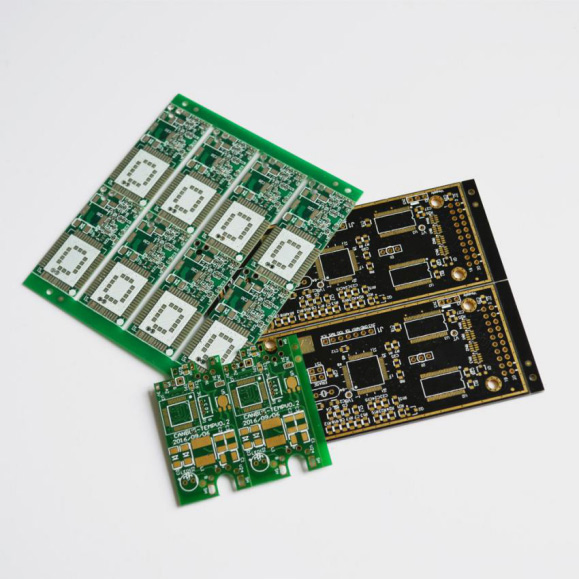
Signal integrity is a cornerstone of efficient AI hardware. Any distortion, delay, or loss in signal transmission can lead to errors and reduced computational accuracy. Low DF quartz fiber contributes to improved signal integrity by providing a stable dielectric environment.
Its uniform structure minimizes variations in electrical properties, ensuring consistent performance across different components. This is particularly important in high-frequency applications such as GPU clusters and AI accelerators, where synchronization and precision are essential.
By reducing crosstalk and electromagnetic interference, low DF quartz fiber also enhances the overall reliability of AI systems, enabling them to operate at higher speeds without compromising accuracy.
Thermal Management and Energy Efficiency
As AI workloads become more intensive, managing heat and energy consumption has become a major challenge. Materials used in AI hardware must not only support high-frequency performance but also contribute to effective thermal management.
Quartz fiber’s natural resistance to high temperatures makes it well suited for these environments. It maintains its structural and electrical properties even under continuous thermal stress, ensuring stable operation.
Moreover, the low dielectric loss of quartz fiber reduces energy dissipation, which in turn lowers heat generation. This contributes to improved energy efficiency, a critical factor in large-scale AI deployments where power consumption is a key concern.
Integration in Emerging AI Architectures
The future of AI hardware includes emerging architectures such as neuromorphic computing, optical interconnects, and quantum-inspired systems. These technologies require materials that can operate reliably at extremely high frequencies and under complex conditions.
Low DF quartz fiber is well positioned to support these innovations. Its ability to maintain performance across a wide frequency spectrum makes it adaptable to various advanced applications. In optical systems, for example, it can be used in supporting structures that require minimal interference with signal propagation.
As AI continues to expand into new domains, the versatility of quartz fiber will play an important role in enabling next-generation hardware solutions.
Manufacturing Considerations and Material Optimization
To fully realize the benefits of low DF quartz fiber, manufacturers must focus on precision and quality control. The production of high-purity fibers requires advanced processes to ensure consistency and minimize defects.
Surface treatments and sizing technologies are also critical for improving compatibility with resin systems and enhancing composite performance. Proper alignment and distribution of fibers within materials help maintain uniform dielectric properties.
Ongoing research is focused on further reducing dielectric loss and improving mechanical characteristics. These efforts aim to optimize quartz fiber for increasingly demanding AI applications.
Sustainability and Long-Term Development
Sustainability is becoming an important consideration in the development of AI hardware. As data centers and computing systems consume more energy, there is a growing need for materials that support efficient and environmentally responsible operations.
Low DF quartz fiber contributes to sustainability by improving energy efficiency and extending the lifespan of electronic components. Its durability reduces the need for frequent replacement, while its performance helps lower overall power consumption.
Future developments are likely to focus on optimizing manufacturing processes to reduce environmental impact while maintaining high performance standards.
The future of AI hardware is closely tied to advancements in material science, and low DF quartz fiber is poised to play a central role in this evolution. With its exceptional dielectric properties, thermal stability, and adaptability, it provides a strong foundation for high-frequency, high-performance computing systems.
As AI technologies continue to advance, the demand for materials that can support faster, more efficient, and more reliable systems will only grow. By integrating low DF quartz fiber into next-generation designs, engineers can unlock new levels of performance and drive innovation in the rapidly evolving world of artificial intelligence.
Apr-23-2026