


As electronic systems continue to become more compact and powerful, materials used in communication equipment, aerospace systems, industrial electronics, and high-frequency devices need to provide reliable performance under challenging conditions. Traditional material selection is no longer only about strength and durability. Engineers also need to consider signal transmission efficiency, thermal stability, electrical performance, and long-term reliability.
Heat resistant Q-Glass fabric is designed to meet these advanced requirements. With excellent heat resistance, stable dielectric properties, and reliable signal transmission capability, Q-Glass fabric has become an important material option for applications where both thermal performance and communication quality are essential.
From high-frequency circuit applications to demanding industrial environments, selecting the right glass fabric can directly influence product performance. Manufacturers need materials that can maintain stable characteristics during operation while supporting the increasing demands of modern technology.
Q-Glass Fabric Provides Stable Performance in High Temperature Environments
Temperature resistance is one of the most important considerations when selecting materials for electronic and industrial applications. Many devices operate continuously under heat generated by power consumption, high-frequency signals, or surrounding environmental conditions.
Heat resistant Q-Glass fabric provides excellent thermal stability, allowing it to maintain structural and electrical performance under elevated temperatures. This makes it suitable for applications where material reliability is required over long operating periods.
For example, communication equipment installed in industrial facilities may experience continuous heat exposure. If the internal materials cannot maintain stable properties, signal quality and product lifespan may be affected. Using heat resistant materials helps manufacturers improve reliability and reduce maintenance requirements.
In aerospace and specialized electronic applications, temperature changes can be more significant. Materials must handle different operating conditions while maintaining consistent performance. Q-Glass fabric offers a practical solution for engineers looking for thermal stability combined with electrical advantages.
High Signal Transmission Requires Reliable Material Properties
Modern communication systems depend on efficient signal transmission. As frequencies increase, material characteristics such as dielectric performance and signal loss become increasingly important.
Q-Glass fabric is optimized for high signal transmission applications because of its stable electrical properties. It helps support the development of high-performance electronic components that require consistent signal integrity.
In industries such as telecommunications, automotive electronics, and advanced communication equipment, manufacturers need materials that can support fast and accurate signal transfer. Small changes in material performance can influence the efficiency of the entire system.
By choosing suitable glass fabric materials during product design, engineers can create more reliable electronic structures. Q-Glass fabric provides a foundation for applications requiring both thermal resistance and high-frequency performance.
Practical Applications of Q-Glass Fabric Across Industries
Q-Glass fabric is used in various industries where performance requirements are higher than standard applications. Understanding these use scenarios helps businesses choose the right material for their products.
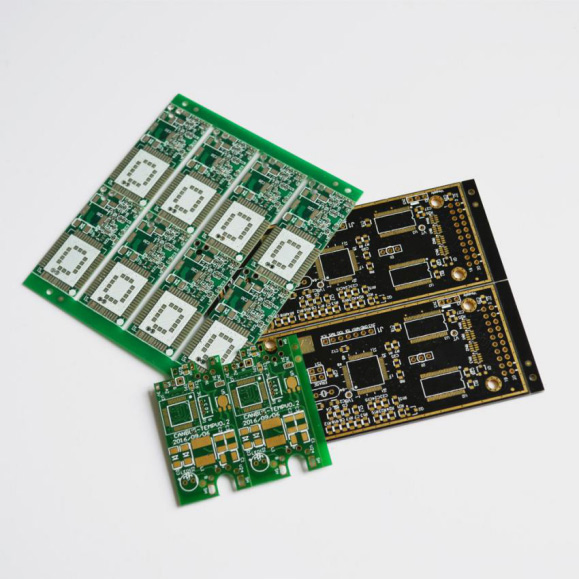
In communication equipment manufacturing, Q-Glass fabric can be used in high-frequency electronic structures where signal stability is important. It supports applications that require reliable electrical performance in compact designs.
In aerospace and transportation industries, materials must provide dependable performance while meeting strict requirements for durability and weight control. Heat resistant glass fabrics can contribute to lightweight composite structures with stable characteristics.
Industrial automation equipment also benefits from advanced materials. Many automated systems operate continuously, requiring components that can maintain performance during long working cycles. Reliable fabric materials help improve equipment stability.
For manufacturers developing specialized products, selecting the correct material early in the design stage can improve production efficiency and final product quality.
How Businesses Can Choose Suitable Q-Glass Fabric Solutions
Selecting Q-Glass fabric requires consideration of several factors, including application environment, temperature requirements, signal frequency, mechanical needs, and processing methods.
Different projects may require different fabric specifications. Engineers should evaluate the actual working conditions rather than choosing materials only based on basic performance descriptions.
For example, a manufacturer producing high-frequency electronic components may focus more on dielectric stability and signal transmission performance. A company developing heat-resistant industrial parts may place greater importance on thermal characteristics and structural reliability.
Working with an experienced material supplier can help businesses better understand available options. Professional suppliers can provide technical information, product specifications, and application guidance to support more effective material decisions.
SHENJIU Provides Professional Q-Glass Fabric Solutions
For companies looking for reliable Q-Glass fabric materials, SHENJIU provides professional quartz fiber and glass fabric solutions for different industrial applications. With experience in advanced fiber material production, SHENJIU supports customers requiring heat resistance, stable performance, and customized material solutions.
From product selection to technical communication, working with an experienced manufacturer helps businesses reduce uncertainty during material sourcing. SHENJIU can provide suitable fabric options according to application requirements, helping customers develop products with consistent quality and performance.
Choosing a reliable supplier is an important step for manufacturers that need stable material supply and long-term cooperation.
Improving Product Reliability Through Better Material Selection
Material selection has a direct influence on product performance. In high-value industries, using suitable materials can help manufacturers improve reliability, reduce production risks, and create products that meet customer expectations.
Heat resistant Q-Glass fabric offers a combination of thermal stability and signal transmission advantages, making it suitable for applications where performance cannot be compromised.
Whether used in communication systems, industrial electronics, aerospace components, or advanced manufacturing projects, the right fabric material can provide important support throughout the product lifecycle.
As technology continues to develop, demand for high-performance materials will continue to grow. Companies that carefully evaluate material choices can build stronger products and improve competitiveness in their industries.
Q-Glass Fabric Supports Future High Performance Applications
Heat resistant Q-Glass fabric optimized for high signal transmission provides a practical material solution for industries requiring stable electrical performance and thermal reliability.
By combining heat resistance, consistent signal support, and durable characteristics, Q-Glass fabric helps manufacturers develop advanced products for modern applications.
For businesses searching for professional material support, cooperating with an experienced supplier such as SHENJIU can help achieve more reliable sourcing and suitable material selection. With the right Q-Glass fabric solution, manufacturers can improve product performance and prepare for future technology requirements.
Aug-03-2026