


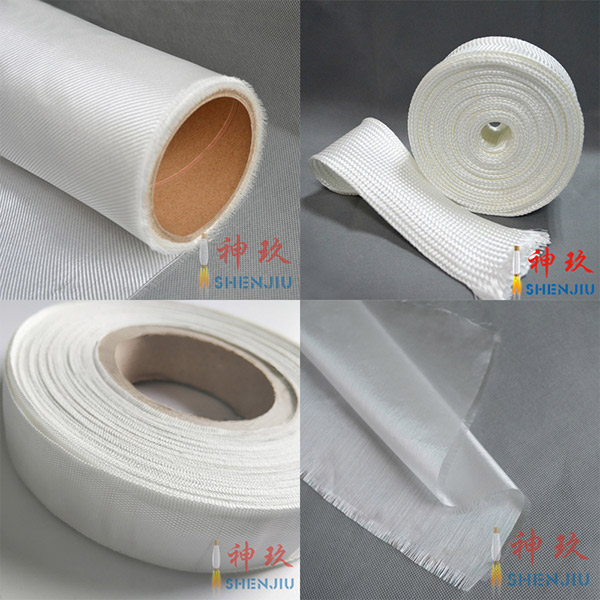
High flexibility wave-transparent quartz fabric is an advanced high-performance material designed to meet the demanding requirements of modern aerospace, communication, and precision engineering systems. It combines excellent thermal resistance, mechanical flexibility, and stable electromagnetic wave transmission characteristics, making it an ideal solution for components that operate in extreme environments and require reliable signal or wave propagation.
Unlike conventional textile materials, this quartz-based fabric is engineered using ultra-pure silica fibers woven into highly adaptable structures. These structures allow the material to maintain dimensional stability while being shaped into complex geometries, including curved surfaces, multilayer assemblies, and precision-engineered enclosures.
As industries continue to evolve toward higher frequency communication systems and more integrated structural designs, this material plays an increasingly important role in ensuring both structural integrity and functional transparency to electromagnetic waves.
Material Composition and Structural Characteristics
The foundation of wave-transparent quartz fabric lies in high-purity fused silica fibers. These fibers are produced through controlled melting and drawing processes that ensure minimal impurities and consistent molecular alignment. This purity is essential for maintaining low dielectric loss and stable wave transmission performance.
The fabric structure is typically formed through advanced weaving techniques that allow adjustable density and orientation. This gives the material a unique combination of softness and strength, enabling it to conform to irregular shapes without compromising performance.
Key characteristics include:
- High thermal stability for continuous operation in elevated temperatures
- Excellent dielectric consistency for wave transmission stability
- Lightweight structure suitable for aerospace and precision systems
- Strong resistance to deformation under mechanical stress
- High adaptability for composite integration
Wave Transparency Principle and Performance Behavior
Wave transparency refers to the ability of a material to allow electromagnetic or high-frequency waves to pass through with minimal distortion or energy loss. In quartz fabric, this property is achieved through the intrinsic nature of silica molecules, which exhibit extremely low interaction with electromagnetic fields in specific frequency ranges.
The stable propagation of waves through quartz fabric is closely related to its uniform dielectric constant and low absorption characteristics. When electromagnetic waves encounter the material, they experience minimal scattering due to the smooth molecular structure and controlled fiber spacing.
This predictable wave behavior is essential for applications such as radomes, antenna covers, and sensor housings, where signal clarity and accuracy are critical.
Advanced Manufacturing Process
The production of high flexibility wave-transparent quartz fabric involves multiple precision-controlled stages. Each step is designed to preserve the integrity of the silica fibers while enhancing flexibility and structural adaptability.
The process typically includes:
- Raw material purification to achieve ultra-low impurity silica
- Fiber drawing under controlled temperature conditions
- Yarn formation with precise tension regulation
- Advanced weaving using multi-axis textile systems
- Surface treatment to enhance composite compatibility
The weaving stage is particularly important, as it determines the final mechanical flexibility and wave transmission consistency of the fabric. Engineers can adjust weave density and pattern to optimize performance for specific application requirements.
Engineering Applications in Complex Structures
One of the most significant advantages of this quartz fabric is its ability to conform to complex geometries. Modern engineering systems often require materials that can integrate seamlessly into curved, multi-layered, or irregular structural surfaces.
In aerospace structures, the fabric is used to form protective coverings for communication systems embedded within aerodynamic shells. Its flexibility allows it to wrap around curved fuselage sections without creating stress concentration points.
In advanced sensing systems, the material supports the development of compact sensor housings that require both environmental protection and signal transparency. It ensures that wave-based data transmission remains stable even under structural deformation.
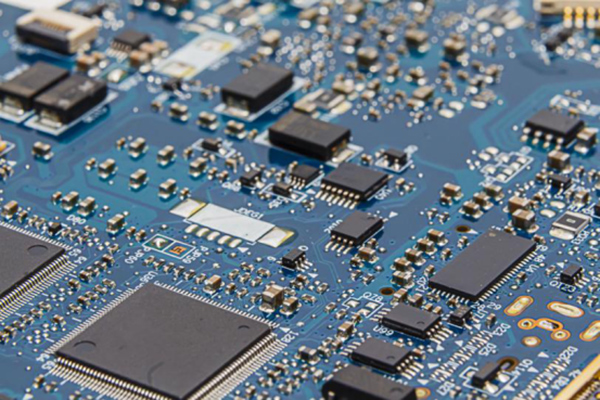
In high-frequency communication modules, the fabric is integrated into protective radome structures that require minimal signal attenuation while maintaining mechanical durability.
Design Advantages for Complex Parts Integration
The adaptability of wave-transparent quartz fabric provides significant advantages in the design and manufacturing of complex parts. Engineers can incorporate the material into multi-functional structures without adding excessive weight or compromising signal performance.
Key advantages include:
- Seamless integration into curved and irregular geometries
- Reduced need for multi-material assemblies
- Enhanced structural uniformity in composite systems
- Improved electromagnetic compatibility in dense electronic environments
- Increased design freedom for advanced engineering systems
Quality Stability and Performance Reliability
Maintaining consistent performance is essential for wave-transparent materials used in high-precision environments. Quartz fabric undergoes strict quality control procedures to ensure uniform fiber distribution, stable dielectric properties, and reliable mechanical behavior.
Testing typically includes evaluation of wave transmission efficiency, thermal resistance stability, and mechanical flexibility under repeated stress conditions. These assessments ensure that the material maintains consistent performance throughout its operational lifecycle.
The inherent chemical stability of silica also contributes to long-term reliability, making the fabric suitable for extended use in demanding environments.
Future Development and Application Expansion
As technology continues to advance toward higher frequency communication systems and more integrated structural electronics, the role of wave-transparent quartz fabric is expected to expand further.
Future developments may focus on enhanced nano-structured weaving techniques, improved multifunctional coatings, and hybrid composite integration with other advanced materials. These innovations will enable even greater performance in areas such as satellite communication systems, deep-space exploration equipment, and next-generation sensing technologies.
The combination of flexibility, transparency, and stability positions this material as a key enabler in the evolution of advanced engineering systems.
High flexibility wave-transparent quartz fabric represents a convergence of material science and advanced engineering design. Its ability to combine structural adaptability with stable electromagnetic wave transmission makes it a valuable solution for complex part manufacturing and high-performance system integration.
As engineering requirements continue to grow in complexity and precision, this material provides a reliable foundation for innovation across aerospace, communication, and advanced industrial applications.
Jun-23-2026